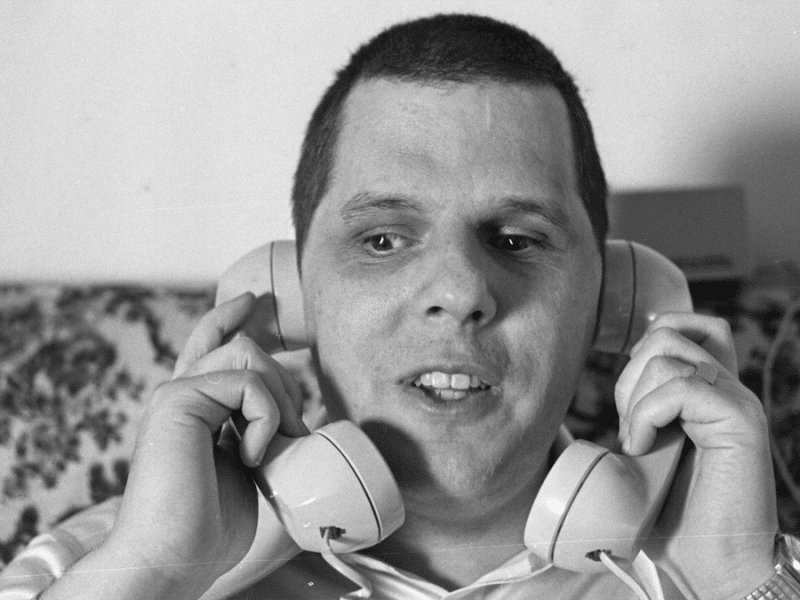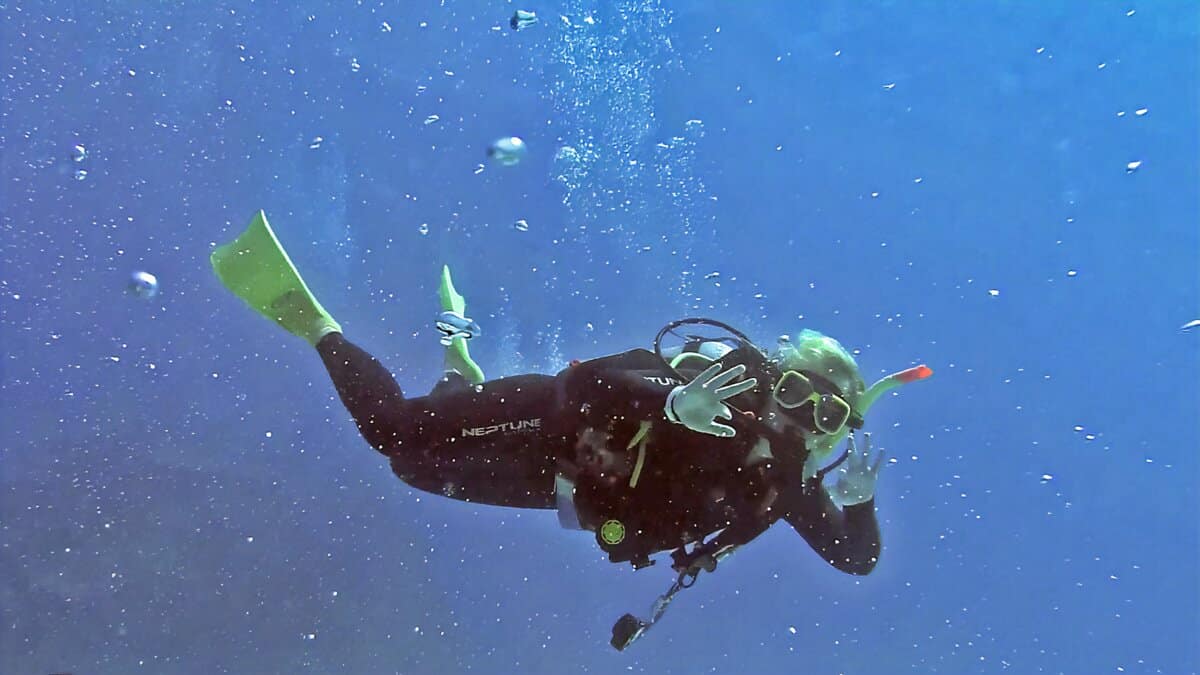
How to Kill a Mermaid is a deeply moving documentary about Linnea Mills, an 18-year-old diver from Missoula whose death during a SCUBA diving class exposed a chain of preventable mistakes and systemic failures. Over the course of three years, Missoula-based filmmaker Damon Ristau pieced together the story about the November day in 2020, at Glacier National Park’s Lake McDonald, when Mills’ went under water and didn’t come up despite there being a certified instructor nearby. Working with family home video, Go-Pro camera footage, archival news video, legal documents, and other records, Risatu is able to clearly lay out what happened.
Ristau has worked on plenty of projects, including his own docs — like The Bug, about the history of the Volkswagen Bug. But How to Kill a Mermaid is a much more emotionally complex film, partly because it’s inherently tragic and maddening, but also because it’s not just a story for Ristau — Linnea Mills was best friends with his daughter, and a familiar face in their lives. So, it’s personal. And, in this case, that connection comes through at a level of care and warmth you won’t find in police reports and newscasts.
The result is a meticulous investigative film that’s also a tribute to Linnea’s life. It doesn’t flinch at the heartwrenching stuff but also doesn’t exploit anyone’s grief. How to Kill a Mermaid is a film that deftly traces the grief of a family while grappling with the broader accountability of an industry that does what capitalism does: treats people like numbers. And you may think you know what kind of film this is – how heavy and dark it might be. It is. And it will outrage you. But without giving too much away — go. Stay with it. Because Linnea’s gone, but her brother is still here, and what he does in the film after losing his sister makes everything about this story remarkable.
Ahead of the film’s premiere at Big Sky Documentary Film Festival, we sat down with Damon Ristau to talk about the making of the film, how he navigated the investigation, and what it means to honor Linnea’s life while telling the story of what really happened. Our conversation was edited for clarity and brevity.
The Pulp: When I first started watching the film, I was wondering how you came to make this documentary. But then I saw one of the people interviewed was your daughter.
Ristau: Yeah, she was best friends with Linnea when she died. Posey had been through some really rough stuff. And so when she met Linnea, we were so happy that she found her best friend — and they were just like sisters, like she says in the film. It was just so wonderful that Linnea was part of our life and Posey’s life. And so when she died, it was just super heavy. A really, really hard time.
When you heard about what happened to Linnea, what did you think?
We started figuring out this wasn’t just a freak accident. There were so many things stacked against her that made it impossible for her to survive. And then it was infuriating — the lack of accountability is deep and wide. And as more information came out, it was like, “You’ve got to be kidding me. This is a clearcut case.”
“There were so many things stacked against her that made it impossible for her to survive. And then it was infuriating — the lack of accountability is deep and wide.”
I’m curious about the timeline. How did you start learning all these details?
The family had a great attorney, David Concannon, who was very knowledgeable in that world. He pieced together in his legal complaint a lot of the things that went wrong — and when you compare that with the federal investigation, they just didn’t line up. The feds didn’t really have any idea what they were looking at. They submitted an 800-page report full of filler material. The prosecutor had to make a decision based on that.
What did you learn about how Linnea died?
Ultimately, she died of asphyxiation. She had “suit squeeze” because her inflator hose wasn’t connected. She was under five atmospheres of pressure — every 33 feet is another atmosphere. Bob [another diving student] caught up to her just over 100 feet, and then they tumbled down to 120 feet. She was found just below that after he had to leave [for the surface]. It was so steep, she just kept tumbling down the grade. It was preventable in every way imaginable.
What were some of the specific mistakes that made the dive so dangerous?
She was overweighted [with lead]. They went into the water at dusk, so it was pitch dark by the time they were in the water — just a cascading series of events that made it impossible for her to survive.
What did you see as your challenge as a filmmaker in telling this story?
I wanted to honor Linnea. That was the biggest thing. I wanted to celebrate her life and dive deep into the mistakes that were made, and tell her story in a way that’s digestible and makes sense. Because when you’re sifting through an 800-page document, it’s overwhelming. Explaining the complicated, technical side of the dive — how dry suits work, how buoyancy works underwater — in a way a general audience could understand, then getting into the investigation and legal side, the challenge was: How do you tell it all at once?

When did you decide you were going to make this film?
When I had the idea initially, I asked Posey, “I’m thinking about doing this film about Linnea — to share her life and story with the world.” And she was adamantly opposed to it. She said, “No, Dad. I don’t think that’s a good idea.”
What changed her mind?
About a year after Linnea died, you could Google her name and so many articles and YouTube videos popped up about people trying to figure out what happened. Everyone had all the information, and it went viral inside the scuba diving world. We had a friend diving in the Philippines, and she was sitting around a dinner table with people from all over the world. She brought up Linnea’s story, and everybody at that table had heard about Linnea’s case. Some of them were trainers and instructors, and they said they use her case in teaching dry suit training — what not to do. I told Posey that her story already had this huge ripple effect around the world. She said, “OK, yeah.”
How did Linnea’s family feel about it? Did they support making this film?
Yeah, they were really, really helpful. I am so appreciative of that. They trusted me to tell her story, which is pretty cool.
What was the timeline for making the film? When did you actually start?
It was two years to the date, because when I started thinking about the film, I reached out to her family and felt them out about making it, and immediately found out that Nick, her brother, had, since the day Linnea died, dedicated his life to becoming an expert scuba diver. And then I found out about his idea of wanting to repeat the dive that Linnea wasn’t able to finish. [He was] aiming to do this on Nov. 1, 2022, two years after she died. So I met them up there. And that was the first thing I shot.
How did you build the rest of the film around that?
So, the last scene of the film was the first thing I shot. And then I had several FOIA requests that took forever — a year and a half on some materials, some materials I still don’t even have. And so as those things started to come in, which included the GoPro video and the reports, I thought, “Oh, there actually might be something here.” Because how do you illustrate something that there’s no visuals for?
How did you find out about the GoPro camera and the missing dive computer data?
The attorney — David Concannon — had it, and when he put that in his legal complaint, the U.S. Attorney didn’t even understand what that meant. They didn’t look at it. And when they found out her dive computer went missing, they didn’t understand the gravity of that, how that would have shown where she was in relation to Debbie Snow [the dive instructor]. That data was only released last year — too late for the report.
From your perspective, why were there no charges?
The feds were looking at the criminal endangerment statute, which has to show intent. They said, “We interviewed [the instructor] and she didn’t know these things.” But she’s a certified instructor, who, in order to be an instructor, has to know these things. It’s not my job to decide whether somebody’s guilty or not. I just wanted to get all the facts out there and share it with an audience, just to tell the story. But it definitely raises some eyebrows.
What do you hope this film does for the family and maybe others?
I hope this will help them. I feel like it’s the final say. They don’t have to scroll through 100 YouTube videos of people speculating on what went wrong and getting information wrong. There’s a scuba forum that has thousands of members from around the world and hundreds of posts of people chiming in with what they think happened. So to be able to have this film — the takeaways are: celebrating Linnea’s life and hoping to raise awareness so this sort of thing doesn’t happen.
And the sad thing is, it just happened again. Almost this exact scenario. A 12-year-old girl in Texas died under similar circumstances last summer. The details are equally shocking. The industry — the dive agencies and the dive shops — their standards are so loose they can get away with a lot. The dive shop owners, in that case, were recorded joking about how many people they can kill per year without their insurance being dropped. “We’ve killed four or five people in the last decade. We can kill up to two people a year without our insurance dropping.” They just write checks. Hopefully this film can help raise awareness. There just needs to be more care.
[The scuba instructor in that case was arrested on Feb. 6, the day I interviewed Ristau.]
I hadn’t really heard about the issues with these big scuba certification companies.
You know, anytime someone takes a group of students on a ski lesson or into the woods, or hiking, you trust that person knows what they’re doing. A lot of times it’s just blind trust. People have to do their due diligence — look harder at who’s taking your child, what their certifications are, and what those certifications mean. Do they mean anything? The gear needs to be treated like life support.
When you started, did you have a clear structure in mind, or did it evolve as you went?
I didn’t really have it planned out. I knew that I wanted Nick’s story to come in. I thought that was a really powerful piece, that he’s honoring his sister in this way. I knew that was going to be part of it. I knew I wanted to get into the investigation and understand why this wasn’t looked at more closely. But the editing process was organic — I had a whole bunch of sticky notes on scenes that I needed, and it was constantly moving them around to make sense of it. There were a lot of parts that didn’t seem like they were going to line up. I was moving things around until they fit.
Screening at the Wilma Sat., Feb. 14, at 3:30 p.m.
Director: Damon Ristau
135 minutes
World Premiere