
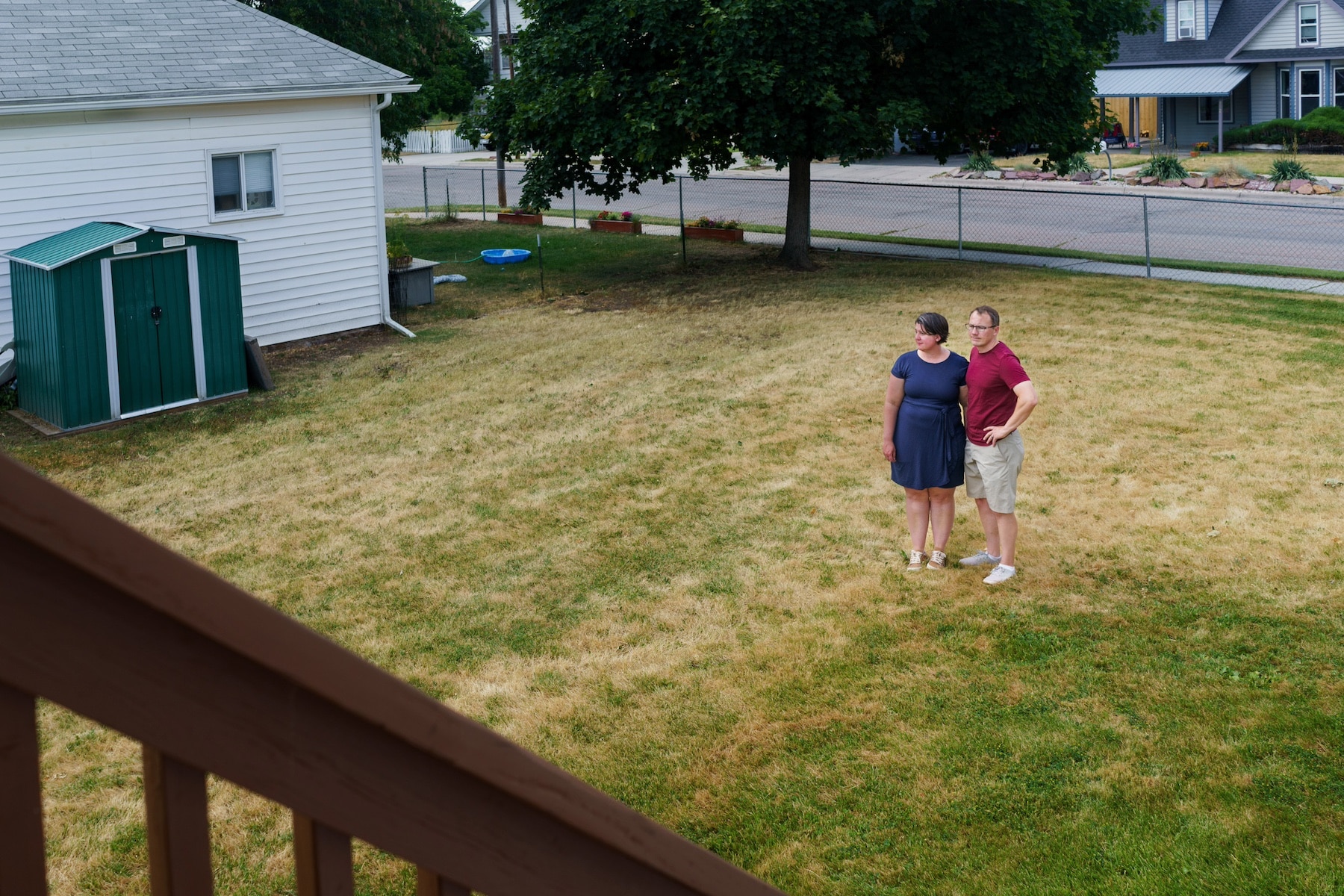
After the death of her mother in 2019, Nicole Rieker sold the family home in Billings and was left with a modest inheritance. Rieker and her husband Drew, both accountants in Missoula, wanted to invest some of that money in rental houses. They looked at several places before settling on a parcel of three adjacent properties: two duplexes and a small, century-old house on a large corner lot on Cooley and Milton, in Missoula’s Northside neighborhood.
“They were the first places we walked in and said, ‘Yeah, we could live here,’” Nicole said. “We wanted places people could make their homes.”
The Riekers also saw opportunity in the size of the plots. The existing duplexes were built in the mid-1990s, and were inefficiently configured, but there was still plenty of space between them and wide setbacks from the road. It looked like the land could support more development.
“Of course, we’re uneducated and don’t know anything about zoning or development in Missoula,” Drew said, “but when you stand on this project, you go, ‘Dang, there’s a lot of opportunity here. There’s a lot of grass.’”
Nicole and Drew consulted with Hone Architects and Builders, who noted that if the land was bare, it could build 12 housing units. Nicole and Drew couldn’t imagine tearing down two perfectly good duplexes. It wouldn’t make financial sense to raze them and build from scratch, anyway. Instead, they imagined adding one more duplex and tearing down the decrepit house to build three new three-story townhomes. It would be a net gain of four housing units and, in theory, a win-win scenario for everyone. Nicole and Drew would be making a good investment better while adding generally affordable housing units to a city that desperately needs them.
Then came the reality check. The wide setback on the west side of the property? It was a mandatory utility easement on which nothing could be built. Adding a new duplex? That would change the classification of the land to multi-dwelling, requiring the addition of an accessible parking space to comply with the federal Fair Housing Act (though the buildings themselves wouldn’t have to be accessible), and an expensive civil engineer to adjust a boundary line by eight feet. That boundary line adjustment? It would require a subdivision exemption application, and while the city charges $400 for the application itself, the private costs of preparing one can easily exceed $10,000. It would also need a zoning compliance permit that could only be granted when the city had a complete design for the adjacent lot, where the century-old house sits. Normally, when multi-family housing is built next to single-family housing, a 5-foot buffer and fencing is required. The Riekers planned to offer one of the new duplex units to the current occupants of the old house, which would be torn down to build the townhomes. But those townhomes? One of them would need a driveway going out to Cooley Street, a detail rendered impossible when that street was recently designated a Neighborhood Greenway, a low-traffic street that the city controls for the comfort and safety of bikers and pedestrians. (Multiple driveways exit onto the street already.) Without enough space for three driveways exiting to the other street, the townhomes are infeasible. Now the Riekers don’t know what to do with the house, which was built in 1910 and Drew calls “a ticking time bomb.” Tearing it down to build a new one just doesn’t pencil, not when construction costs hover around $300 per square foot.
Meanwhile, Drew and Nicole are paying thousands of dollars in fees to architects and engineers, money they’ll hope to recover when it comes time to rent or sell what they build. Time is a factor, too. Both duplexes and the house have people in them now, and Nicole and Drew need to coordinate a building schedule around their tenants’ leases. They had hoped to break ground last year. Now they’ll be lucky to begin next May on the property’s only immediately viable development: the new duplex. Even that idea is encumbered with aggravating requirements; the city forester is insisting they plant trees between the duplex and the fence, a strip of land a few feet wide with so little sunlight it’s hard to imagine weeds growing, let alone trees.
“With these rules, something that looks abundant is absolutely not.”
I met Nicole and Drew at the property site on a rainy spring morning so they could walk me through what they had hoped to build here. Standing in the ample lawn between the house and one of the duplexes, we could see the velveted sides of Waterworks Hill, and sun-silvered semis shuttling down I-90. The rumble of a train was audible a few blocks south, and a cold wind unsettled some windchimes. Frustration clouded the couple’s faces.

“We had these plans, all these beautiful things,” Drew said. “Those dreams are really wavering now.”
“They’re afloat,” Nicole said. “Every time we turn around there’s something else, another delay or a problem with the boundary lines.”
As Drew scanned his head to take in all the empty space around him, he may as well have been taking in the housing crisis gripping the whole of Missoula. “With these rules,” he said, “something that looks abundant is absolutely not.”
It may sound like a problem for the privileged if a couple landlords can’t build the new duplex and townhomes they want. But the story of developments like this and the rules that constrain them have a cumulative impact on the quantity of housing in Missoula, where new housing is built and how much all housing, old and new, will cost.
Right now, Missoula’s median monthly rent for individuals tops $1,000 and the median home price is $558,500. In 2022, the buyer of a median-priced home in Missoula County would need a household income of $156,564 to afford it without being cost-burdened. This is more than twice the median household income for that year, according to the 2024 Five Valleys Housing Report from the Missoula Organization of Realtors.
We all must love living here, because we do it despite the gray winters, the rising cost of living and the shortage of high-paying jobs. The question is, how many of us will be able to keep living here, as the cost of housing climbs faster than incomes?

“All of the data tell us that it is possibly the hardest time in generations for a person starting out to own their own home,” said Grant Kier, CEO of Missoula Economic Partnership, which monitors the housing market for its crucial role in creating a vibrant, resilient local economy.
Missoula’s housing deficit goes back to the years following the Great Recession, Kier said, when the community fell 3,000 housing units behind its immediate needs. Adding to that deficit, the rate of new building is not on pace with Missoula’s growth projections.
“If the community could do one thing, it would be more tolerant to changes to their built environment,” Kier said. “That will lead to changes in housing affordability that will allow more people to live here and will reduce accelerated rates of homelessness.”
It’s also important, Kier said, to build housing for all types of potential buyers. “People often think we aren’t helping address the housing affordability problem if we’re building some big, nice houses along the way,” he said. “That’s a misunderstanding of the market. If people can’t find the house they want to own, they’ll buy a much more affordable house and tear it down to build the house they want.”
“The system is broken enough that it can’t be a small fix anymore. We can’t just remodel. We have to take the whole house down.”
Kier said that rules and ordinances, devised with the best of intentions, have compounded over the years to create a labyrinth of regulation that makes it challenging to build and stymies the very kind of growth Missoulians say they want. This realization has led the city of Missoula to embark on a lengthy code reform process, with newer, clearer and more consistent zoning rules promised early next year.
“The system is broken enough that it can’t be a small fix anymore,” Kier said. “We can’t just remodel. We have to take the whole house down.”
For anyone forecasting how Missoula will change as it grows, there’s no more important subject as city zoning regulations—that snoozer of a topic that is taking on an increasing role in shaping our neighborhoods and community. In this context, the fate of each development, even a small-scale infill project on the Northside, incrementally affects us all.
In much of the world, city planning is a haphazard affair. But for a generally rule-averse bunch, Americans abide by a considerable number of restrictions when it comes to where we can live and with whom, and what and how we can build on our land.
“The idea that a stodgy rule book could set the terms of our lives from on high is fundamentally at odds with our national ethos. And yet, such is the state of America under zoning,” Nolan Gray writes in “Arbitrary Lines: How Zoning Broke the American City and How to Fix It,” a book that argues our communities would be more equitable, affordable and sustainable if we completely overhauled zoning.
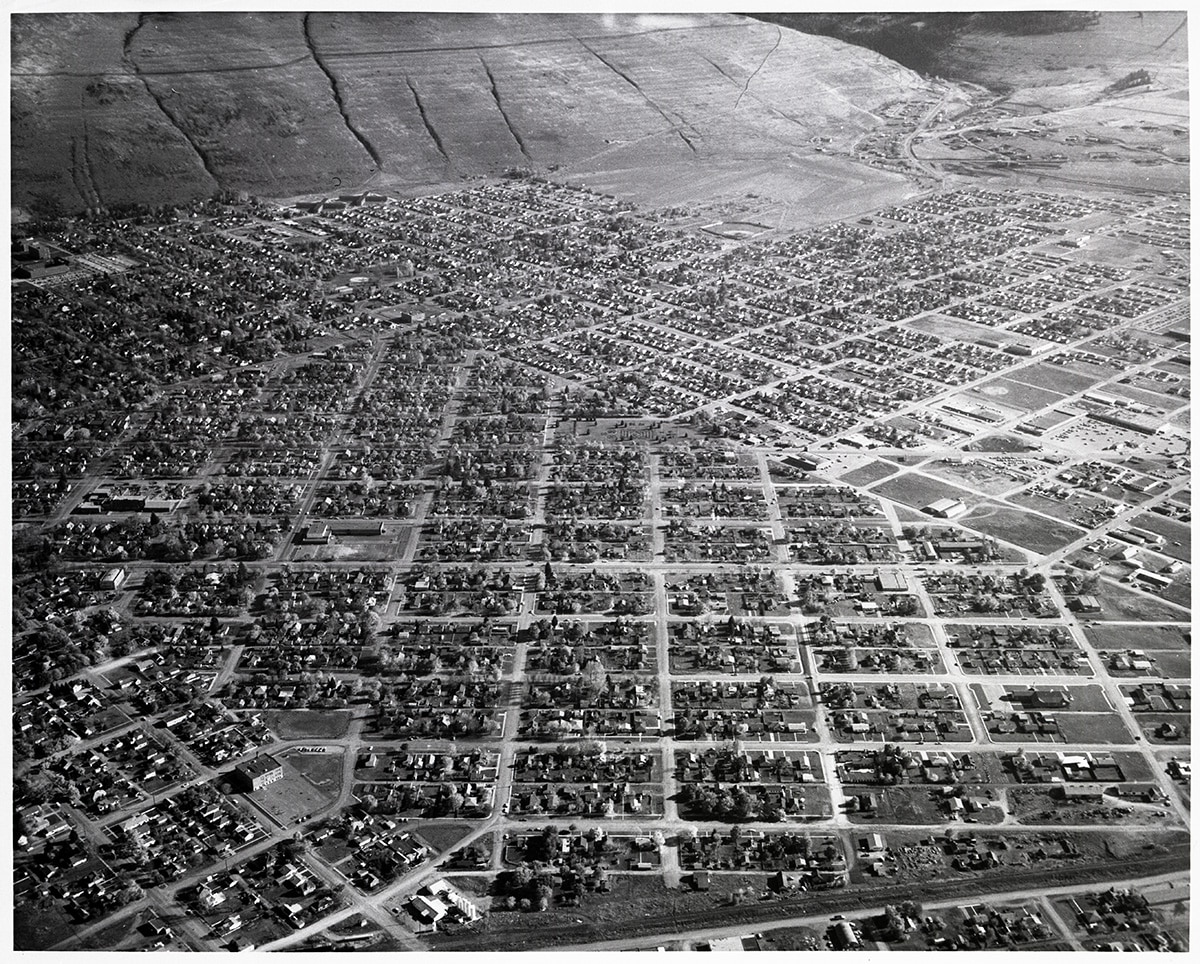
In housing-strapped cities and towns across the country, there is a mounting discontent with the status-quo rules inhibiting equitable growth. As a tool of urban design, zoning helps keep industry away from houses, but it’s also served as a means for economic and racial segregation by shielding wealthy neighborhoods from change and diverting low-income people to specific parts of town.
In an effort to undo these discriminatory practices and increase housing supply, cities like Minneapolis have banned single-family zoning completely. Urban designers make an economic, social and environmental case for cities building upward and inward, where utilities and infrastructure already exist. Apartments, duplexes and multi-family units are cheaper to live in, they can foster more human connection and they’re more energy-efficient. What’s more, increasing a town’s housing density doesn’t push development to natural areas and farmland outside town, creating car-dependent communities with all the accompanying headaches of traffic, pollution and parking.
The history of zoning in this country goes back to 1916 in New York City when officials divided land into residential, commercial and industrial uses. The first zoning also required height limits and minimum setbacks for buildings in the front, back and sides. Zoning was a way to reduce crowding and hazards, and to prevent nuisances by separating housing from factories and businesses. Often, it also served the interests of the powerful.
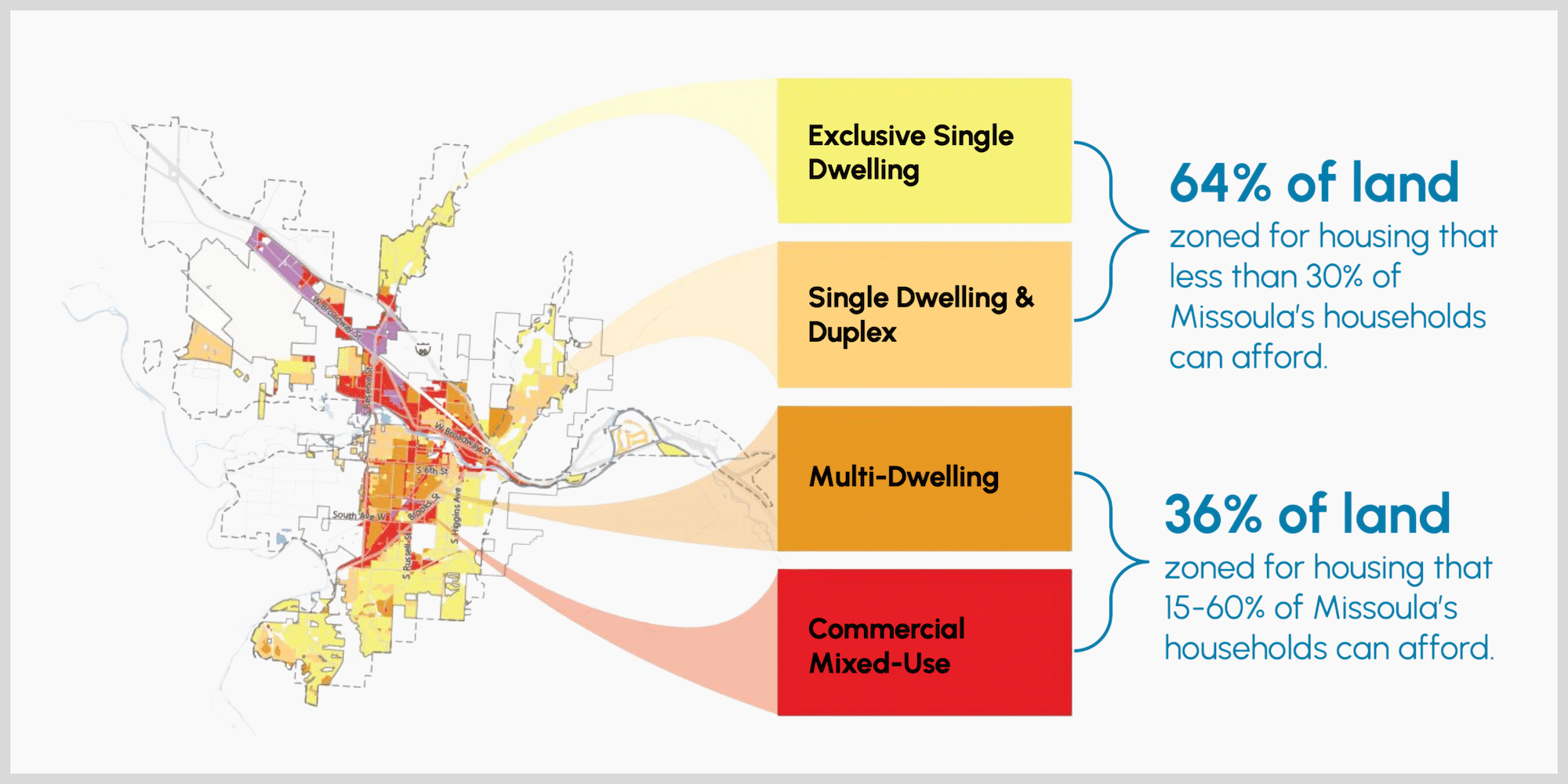
Missoula adopted its first zoning code in 1932, dividing the town into four zone districts. About 85 percent of Missoula’s residential land was zoned for multi-family homes. Over time that changed. In 2022, just 36 percent of residential land was approved for multi-family use. These regulations limit housing density within Missoula, or divert it to certain neighborhoods, as the city pointed out last fall in its Equity in Land Use report, even as planners estimate Missoula will need to add 1,100 to 1,500 units per year for the next ten years to keep pace with the town’s growth.
What zone is my home?
There’s a simple, illuminating way to learn what zoning laws apply to you. Go to the city’s What’s My Zoning? website, type in your address and find your zoning district code, which will begin with an R, an RT or an RM. (C stands for commercial/industrial, and B is for business.)
Once you have your district code, navigate over to the city’s Title 20 Zoning Code page to decipher what the letters and numbers mean for the uses, building types and density allowed on your property. R means it’s a residential district; RT districts allow for duplexes and townhouse buildings; RM districts allow multi-dwelling buildings. The number that follows the letters indicates the density allowed on the parcel. An R1 district, for example, allows for one dwelling unit per 1,000 square feet of parcel area, whereas an R10.8 allows for one unit per 10,800 square feet. You may notice a 45 or a 35 at the end of your district code, which designates the maximum height of a building, in feet.
An average lot size is 50 feet wide and 130 feet long, a total of 6,500 square feet. If the property is in an RM1 district, it could support at least six units. If the property is an RM4, it could have just one. If the property is an R10.8, nothing could be built on it at all. In this way, zoning makes it so that not all land is created equal.
Missoula isn’t an anomaly in this regard. According to a recent survey by The Pew Charitable Trusts, the U.S. housing supply is short by between 4 and 7 million homes. Housing underproduction was exacerbated by the pandemic, when the option to work remotely inspired many Americans to flee expensive cities for smaller, cheaper communities. It was the country’s largest population shift since the post-World War II era.
Montana was a treasured spot to land. Between mid-2020 and mid-2021, the state’s population grew by 20,000, the third fastest state growth rate in the country. Home prices here went up 50 percent in a matter of months. Meanwhile, the rate of the unhoused grew by 8.5 percent between 2018 and 2023, more than double the national rate.
As Lee’s state news bureau has reported, home values in Montana are 80 percent higher than they were 5 years ago. Meanwhile, the inventory of houses for sale is only 59 percent what it was in 2018.
Housing availability and affordability is a major concern for voters, and the state legislature took action in its last session. Zoning reform forges unlikely alliances. Hard-right libertarians find themselves championing the same policies as progressive, housing-for-all activists. The legislature passed a flurry of bills designed to ease zoning regulations across the state. One bill would require duplexes to be allowed on any city lot zoned for a single-family home. Another would require that at least one accessory dwelling unit, or ADU, be allowed on any lot with a single-family dwelling. The largest bill provides communities with a menu of options to choose from to incentivize new housing.
The bills made waves. A journalist for Bloomberg dubbed the pro-housing legislation a “Montana Miracle.” Stories followed in High Country News and The Atlantic with gushing headlines like, “The State That Could Fix the Housing Crisis,” a conclusion that came as a surprise to many actual Montanans.
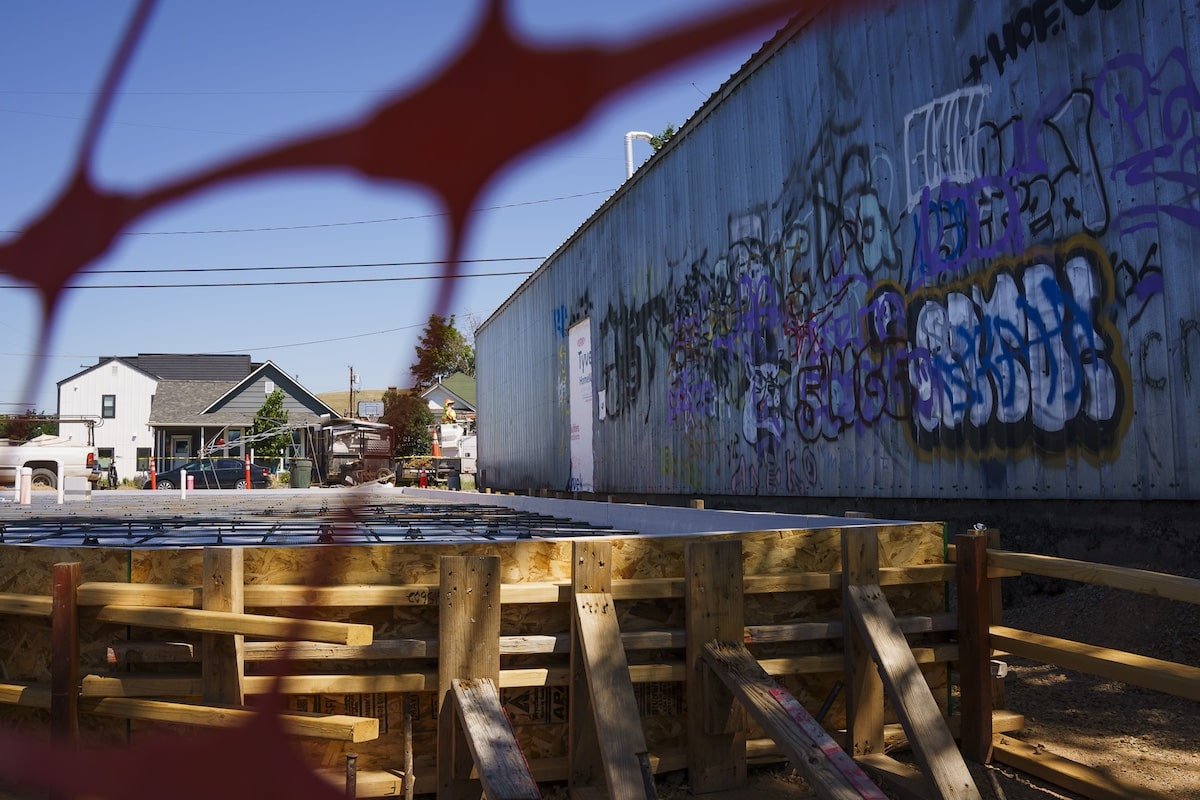
The laws are now entangled in the courts. Few communities like their planning decisions dictated by the state, and when a group called Montanans Against Irresponsible Densification filed a lawsuit late last year, a judge blocked two of the bills. This Not-In-My-Backyard resistance is at least partly driven by economics. For many Americans, a home is their biggest financial asset, and a major part of their retirement planning. Many want to protect that investment by resisting anything that might bring down the value of their home.
But a new, Yes-In-My-Backyard movement is quickly taking hold, with politically diverse proponents calling for smart, sustainable and equitable community growth. Housing advocacy groups like Bozeman Welcoming Neighbors and Shelter WF have cropped up around the state. ProHousing Missoula, launched here this spring under the tagline “Missoula, what if we get this right?”
In a letter sent to Mayor Andrea Davis and City Council in March, the group urged the city to allow 6-plexes by right city-wide, increase the square footage limits of ADUs and relax rules on setbacks and height.
“If we do not act with urgency and boldness,” the letter reads, “we will see more young adults forced to abandon a hometown they love, more businesses struggle to find anyone to work for them, and more stressed-out people who struggle to pay an outrageous portion of their income for the most basic need of all: a decent home.”
When Chris Chitty and his wife moved to Missoula in the fall of 2007, they bought a “piece-of-crap house” on a big lot with a spacious garage for $169,000. In the following years, they remodeled and expanded the house. They had a couple kids. Chitty found jobs as a carpenter and over the years worked his way up to managing projects and eventually building houses. Now, together with his partners, he owns Hone Architects and Builders, which designs and constructs projects all over town. For Chitty, a vibrant life and a small business was made possible by the purchase of that home.

“If I had to pay $450,000 for that house, I don’t know that I could’ve done it,” he said. It troubles him that housing scarcity is pricing out people who want to move here. “How many opportunities for people to build lives and wealth and communities are we just denying?”
Chitty quickly determined that many of the factors hobbling Missoula’s housing supply were hidden in the city’s Byzantine zoning code.
“I came to the land use conversation from the perspective of somebody who’s trying to get projects built,” he said. “The options of what can be built are really defined by the regulations.”
With the city’s easily developed land already developed, Chitty often finds himself trying to add infill units on smaller lots. For every piece of land, zoning regulations tell him how many dwelling units a building can contain, how deep the front and back yards must be, and how much parking is required.
“The holy trinity of land use, as I call it, is density, setbacks and parking,” he said. “Those are the big things that tell you what can or can’t be built.”
Navigating these rules takes money, patience and creativity, as is the case with the Northside property that Chitty is trying to develop for the Riekers. Chitty is frustrated that to break ground on the first phase, the duplex, he needs to have a finalized, approved design for the second phase, tearing down the old house and replacing it with townhomes. “The whole thing has to spring fully formed from the head of Zeus,” he said.
Chitty understands the purpose of the regulations but said the strict application of them makes building slower and more expensive. “All the rules are very well meaning,” he said. “Of course we want greenways. Buffer zones sound like a great idea. But when you layer them on top of each other and put the mandate on there that we’re trying to build more units for more people, it starts to get harder and harder.”
Chitty said the purpose of city planners is to ensure orderly development, controlled for the values of a community. But he doesn’t see it working that way in practice. “You can’t control everything and still have the freedom to have a vibrant place that’s allowed to change and evolve as its residents require it to,” he said. “When you add rules upon rules upon rules, they interact with each other in ways you didn’t predict.”
Some of Missoula’s rules could be relaxed without much negative impact, he said. He’d like to see development spread across all the neighborhoods in Missoula, not concentrated in a select few. To the extent that zoning reflects our shared values, Chitty said we need to determine what’s more important—two feet of extra buffer space between your neighbor or creating a community where people can afford to live.
“All the rules are very well meaning. But when you layer them on top of each other and put the mandate on there that we’re trying to build more units for more people, it starts to get harder and harder.”
“I think we should care about there being the same opportunities for our kids and the newcomers that there were for us,” he said. “I think it is fundamentally immoral to just pull up the drawbridge and say I got on the train, and not because of anything I’ve done, my wealth has quintupled because I bought some property in 2008.”
Chitty can empathize with people’s resistance to change. Where and how we live are deeply emotional issues for many of us. It’s hard when your neighborhood starts to look different, or you can’t find parking or you’re suddenly sharing space with more people. But growth brings benefits, too. “You have to balance that with a more positive aspect of having more resources to put into parks and trails, and more opportunities for people,” he said. “It’s all trade-offs.”
Chitty sees his profession as one contributing to the betterment of Missoula by giving more people more choice in where they can live. “You shouldn’t have to be a gajillionaire to live close to a trailhead to go trail running,” he said. “I want the city to be able to grow up. As a builder, the thing I can do is build as much as I can.”
As measured in building permits, housing development in Missoula has fluctuated wildly over the past five years. In 2019 and 2020, the city permitted 456 and 476 housing units respectively. In 2021 the city permitted 1,338 units—almost a threefold increase from the years prior. In 2022, 861 housing units were approved and in 2023, the number dropped to 448 units.
“We had a tremendous increase in volume right after the Covid period,” said Walter Banziger, Missoula’s deputy director of Community Planning, Development and Innovation.

Banziger has been poring through the data for each of these permits to better understand how long the city is taking to issue them. He’s found a worrying trend of delays.
Usually, he said, two review cycles is normal. A developer submits an application, the city reviews it and points out necessary changes, the developer submits a revision, and the permit is approved. But Banziger is finding that an increasing number of Missoula’s permits are requiring three or more review cycles. “For the applicant, that’s time, that’s money, that’s a whole lot of frustration,” he said.
In 2019, Banziger explained, about 1 percent of Missoula’s residential building permits went through a third cycle or more. In 2020, it jumped to about 8 percent, where it stayed in 2021. In 2022 almost 20 percent of permits required a third review, and in 2023, 25 percent needed three or more reviews.
“If you’re getting into a third or fourth cycle, something is wrong,” Banziger said. “It’s not getting corrected. Either the designer isn’t looking at the comments or the comments aren’t getting through. It’s delaying us, it’s delaying the applicant, and it’s impacting other people in the queue.”
So, what’s causing the hangup?
“We’re still trying to work that out,” Banziger admitted. Most explanations are anecdotal. He said developers, aware of the backlog, might be rushing their work. “We’re not seeing the quality of applications,” he said. “Our team should not be responsible for being an applicant’s quality control.”
Banziger said another reason for the delays is turnover in the city’s planning staff—turnover that also can be traced back to the city’s housing crisis.
“Due to cost of living, several people left the area,” he said. “They couldn’t afford to live here. We tried recruiting. Several people came, then basically said, ‘I can’t live in Montana. I have to move to another state.’ Unfortunately, that impacted our review times.”
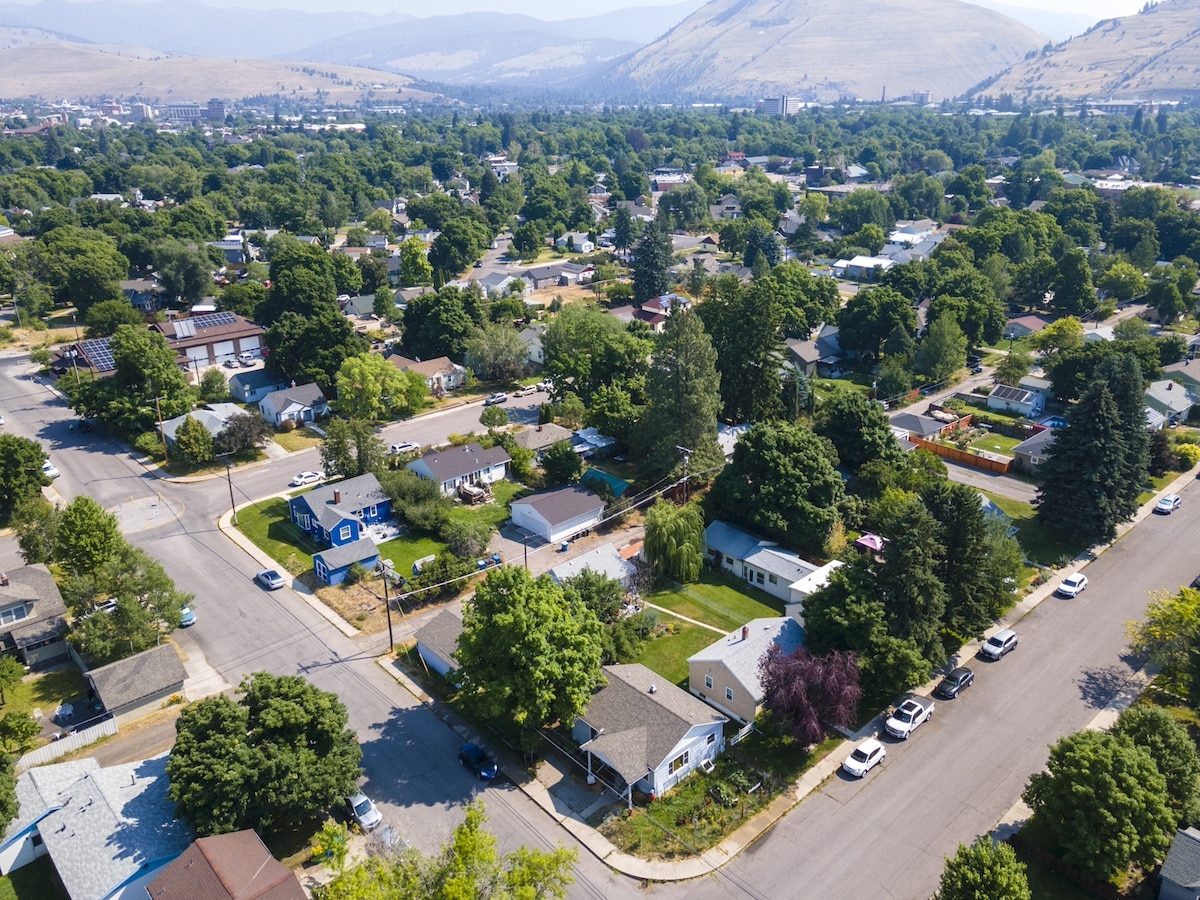
Banziger hopes that’s improving. His department has been fully staffed for the last year, and he’s confident the city’s code reform effort will simplify the building permit process. He said the city has tried to engage Missoulians about their long-term visions for our city’s growth. We’re all participants, Banziger said, and people should ask themselves: “How do you see your neighborhood growing? What would you like to see? What would be a concern? What could your neighborhood be like 20 years from now?”
To that end, he said, efficient, effective community-minded zoning regulations can be a helpful guide.
“The point of zoning codes is to protect the neighborhood, that culture, that history, and encourage the economic and social growth that the community as a whole wants to see,” he said. “Can they be simpler? Can they be more effective? Absolutely. But you do need them to put sideboards on things so we grow in a well-thought-out way.”
In a stuffy second-story office in City Hall, where a fan hums air out of a window and flutters papers tacked to a wall, Ben Brewer spends his days considering changes to Missoula’s zoning code. Brewer, the long-range planning supervisor in the city’s Community Planning Division, is part of the team working on Missoula’s code reform project. Since he joined Missoula’s planning department in 2013, he’s watched the landscape shift.
“For a long time, the field of planning saw itself in opposition to development towards the benefit of the community,” Brewer said. “The idea was that development was ruining everything and only for the profit of the developer. I think things have been recast.”
Brewer said that Missoula’s code reform project is an acknowledgement that the planning department is implicated in the city’s housing crisis. Lengthy review times, which planners once considered their due diligence with developers, has a direct impact on price for the city’s residents, he said. In its own assessment, the city admits its current codes are difficult to navigate and present barriers to affordability, equity and capacity of housing.
Another way the city is changing, Brewer said, is the emphasis it is putting on inviting community members into the code reform process. The planning department has hired a community engagement specialist and partnered with the group Common Good Missoula to connect with residents outside of the frequent code user groups such as developers, realtors and builders.
“Rather than expect people to figure out the steep learning curve to interpret the technical side of the project, the onus should be on us to be able to talk about what we’re doing in a way that’s accessible,” Brewer said.
The city intends to finish a draft of its updated growth policy and unified development code by the end of this year. The draft will go through the planning commission before being finalized and adopted by the city council, which Brewer expects to happen by next March.
“We’ll have a new, modern, streamlined, easy-to-use, accessible, single development code,” Brewer said. “Our growth policy will be updated to explicitly encourage increased housing options throughout more or most of the city. The code will implement that in a way that makes it as easy as possible to see the development that we want to see.”
Brewer said when Missoula drafted its recent Equity in Land Use report, it identified the intentional and unintentional inequities that have been preserved in the codes. “The zoning that we have now has really limited the location and type of housing throughout most of the city and focused most growth in our most vulnerable neighborhoods,” he said, such as the Northside, the Westside and Franklin to the Fort. “This is our opportunity to correct for that and redistribute where the growth can happen in a more equitable and sustainable way.”
In reimagining Missoula’s zoning code, Brewer said, city planners must decide if they want the rules to be predictable, one-size-fits-all regulations, or flexible ones, where planners have discretion to permit projects that follow the spirit of the code, but may not meet all of its requirements.
“Our codes are trying to account for every possible scenario,” he said. “I think we should flip that to open the gates for what we want to see, and if there’s some stinkers that get through, to not sweat it.”
Can a single unified zoning code ever apply universally to all the unique development projects, big and small, Missoulians are planning? Lucas Dupuis, an architect at Hone Architects and Builders, doesn’t think so. “You can’t write rules for every single situation,” he said. “There’s always going to be an exception. I can write a set of regulations that makes it sound like a town will only be filled with beautiful buildings, and I guarantee an architect will find a way around it. That’s how we work.”
Dupuis is accustomed to navigating regulatory hurdles when designing projects. That’s a big part of his job. But in designing the Riekers’ development on the Northside, even he’s been surprised by the delays and rigidity from the city.
“This is an unhappy collision of a range of desires and regulations from the planning departments,” he said. “The lack of creativity and desire to make something work that doesn’t neatly fit into a regulatory box is a standout to me.”
“There are zoning districts in Missoula that are just as obsolete as lead gasoline and unfiltered cigarettes.”
Regulatory headaches such as this tend to plague small-scale infill developers in particular, Dupuis said. Larger developers with millions to spend can buy up big tracts and build multi-family projects without getting mired in the regulatory weeds while the small fry scratch their heads, wondering if an infill development is worth the trouble.
“We aren’t getting anywhere near the maximum units that this property can support,” he said of the Riekers’ project. “We’re spending a lot of money on design fees to jump through hoops and comply with regulations to get a net gain of four units.”
An architect’s job is to problem solve, to find creative ways to build something around natural constraints that still meets intended needs. But when those obstacles are seemingly nonsensical and competing regulations, Dupuis said it takes a toll. He grew up here and has worked here for 22 years. He’s not sure how much longer he can bear it.
“It’s definitely wearing on me,” Dupuis said. “There are zoning districts in Missoula that are just as obsolete as lead gasoline and unfiltered cigarettes. They’re designed for single-family ranches on big lots spread as far apart as possible with no sidewalks. The city won’t do anything about it.”

Dupuis said he’s encouraged by the zoning reform bills coming out of the state legislature. He’s eager to see what Andrea Davis, with her background in housing advocacy, can accomplish as mayor to promote equitable housing here. He was pleased when the city liberalized its ADU regulations this spring, doubling the square footage permitted and taking away parking requirements.
But Dupuis is pessimistic about Missoula’s code reform project. “The zoning rewrite is going to be a rebrand of the same old stuff,” he said. “Instead of kicking me in my left shin, it’ll be kicking me in my right shin.”
With its current zoning environment shaping its growth, Dupuis said Missoula may follow the lead of other Western towns people love to live in but can no longer afford.
“We don’t want to become Boulder, Colorado, but that’s where we’re headed,” he said. “It’s going to be a wonderful place to live as long as you make $700,000 a year.”
Mike Nugent, city councilmember and chair of the land use and planning committee, draws a closer comparison when he thinks about Missoula’s housing crisis.
“If we don’t face this head on, all we have to do is look down I-90 at Bozeman as a window into our future,” Nugent said. “They were in no way prepared for growth that perhaps they should’ve seen coming.”
Nugent grew up in Missoula and in his lifetime he’s seen its population grow to the mid-sized city of 77,000 that it is today. He said because of differences in zoning, some parts of town don’t look very different than when he was a kid, while other neighborhoods have seen dramatic change.
“Zoning can allow for growth and creativity and density in ways that don’t completely change the feel of a neighborhood,” Nugent said. “In communities that are creative, you can see single-family housing and multi-family housing side by side, and from the street it’s hard to tell the difference. It’s possible to meet some of our housing challenges and keep Missoula the way a lot of people like.”
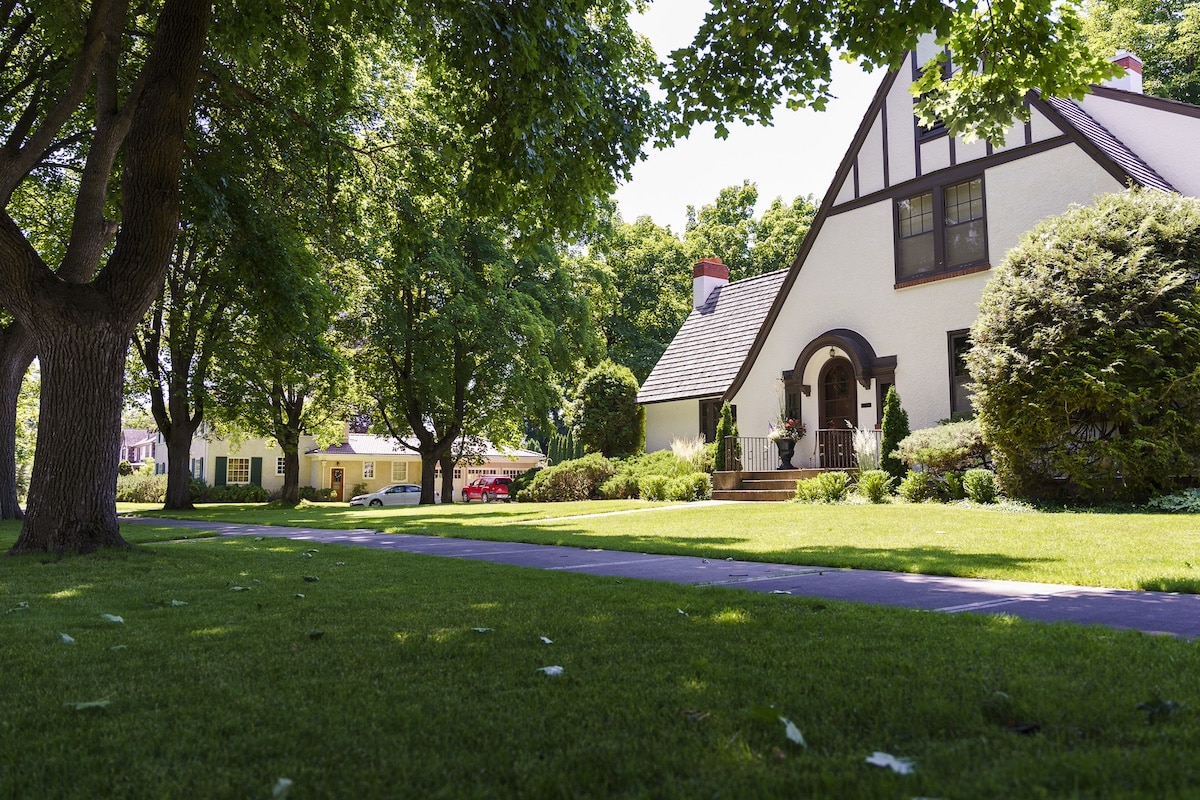
Nugent is well aware, however, that Missoula’s toniest single-family neighborhoods—such as the University District, the Upper Rattlesnake and the South Hills—are the most resistant to change. “Familiarity breeds comfort,” he said. “Change elicits a bit of fear in people because it’s the unknown.”
But he said people are coalescing around the idea that we don’t want sprawl. And while the rising cost of housing may not affect those who bought property here years ago, it may affect their kids.
“Are we creating a community where kids who grow up here can’t live here?” Nugent said. “Is that who we want to be?”
According to its 2019 housing report, Missoula was 2,400 units behind what we needed then. In the years that have followed the pandemic, that gap has only widened.
“Some people think we can just say no to growth,” Nugent said. “That’s not how it works. People are still coming here. We need to have a frank conversation about that. We can’t just pretend that we don’t have to face this.”
“Are we creating a community where kids who grow up here can’t live here? Is that who we want to be?”
Missoula has already asked the community how it wants to grow. Now, Nugent said, the city needs to get out of the way of that growth.
“We’ve got to make it easier for people to do the things we’ve said we want them to do,” he said. “The code absolutely throws up roadblocks around supply, affordability and housing equity. I’d like to see a code that results in an amount of flexibility to work with people on project ideas and help solve our community challenges. I think that’s a reasonable expectation of a good code.”
Nugent would like the planning department to have the discretion to approve projects, even when they don’t meet 100 percent of the zoning code’s criteria. “The end product should be more important than some of the other factors like lot size or setbacks,” he said.
Some Missoulians might resist relaxing the rules on zoning because they’re worried the town they love will change. But if the current housing crisis continues, or worsens, Nugent said, the very nature of Missoula will change by limiting who can live here.
“Every year in Missoula there becomes more of a gap between the haves and the have nots,” he said. “Access and opportunity for housing is a huge part of that. If people don’t have the opportunity to buy a home, every study out there would show you that they’re at a disadvantage as life goes on.”
Groups like the North Missoula Community Development Corporation have devised innovative strategies to help provide housing for more Missoulians. NMCDC, a community land trust, has created permanently affordable homeownership opportunities for more than 110 families who purchased homes at a subsidized rate and lease the land beneath. NMCDC has also pioneered a limited equity co-op ownership model, where residents own a share in the cooperative that owns the buildings.
NMCDC relies on federal HUD subsidies for these projects, which were typically available to people making 80 percent of the median income. Now that figure has climbed to 120 percent. Some are wondering how to subsidize housing for people making 150 percent or 200 percent of Missoula’s median income. But to properly address the shortage of generally affordable housing in Missoula, said Brittany Palmer, executive director of NMCDC, the housing market will have to respond. And that means less restrictive zoning.
“We know there’s a problem when we’re having to subsidize housing for people earning that much money,” Palmer said. “With better zoning that allows for more housing types in more neighborhoods, we will at least begin to approach the issue.”

To Palmer, it’s no accident that some of the strictest zoning regulations in the city are also in the wealthiest areas—the University District, the Upper Rattlesnake, and the South Hills—and the most lenient zoning is in the poorest.
“The Northside, Westside, Franklin to the Fort and River Road, a lot of these are lower income neighborhoods where land is cheaper, homes are cheaper, and zoning is not as strict, and so they’re seeing really high rates of redevelopment compared to other places in town,” Palmer said. “We feel like there’s an opportunity for all neighborhoods to take on their fair share of the inevitable change that is coming to Missoula so it creates a gentler change across the community.”
“I think about the people that work at the places that I like to go, the weirdos out there making our community fun and interesting. If changes to zoning can stabilize home prices, that can help keep people in our community.”
When people talk about protecting the character of their neighborhoods, they often mean the aesthetics of its buildings. But equally important, Palmer said, is protecting the diversity of the people who can live there.
“I think about the people that work at the places that I like to go, the weirdos out there making our community fun and interesting,” Palmer said. “If changes to zoning can stabilize home prices, that can help keep people in our community.”
The zoning changes NMCDC and ProHousing Missoula are promoting will take a long time to come to fruition, but Palmer said it’s worth thinking about this place in the long term, generations down the road.
“Change is inevitable for Missoula, because it’s a great place and a lot of people want to live here,” Palmer said. “Change can be really scary, but it can also be awesome if we think with abundance and imagination.”
The question, then, isn’t should Missoula grow, but how.
The wide, flat Missoula Valley, neatly defined by converging rivers and mountains, has always been changing. Once it was the site of major camps of the Salish and other tribes, who dug bitterroot here and fished for bull trout. In 1806, Meriwether Lewis described it as “a handsome, level plain.” It proved handsome and level enough that today most of it, including some of the best bitterroot grounds, has been paved over to create this town in which more and more people want to live. Change may be inevitable. But can we protect what we love in the process, so that we grow toward our community values and not away from them?
The story of zoning is a story about our town, and its geographical and ideological constraints. It’s a story about the changes underway and the multiplicity of futures we can imagine. It’s about the people who are moving in and the people who’ve lived here forever, who are struggling to keep living here, on local wages, as housing gets more expensive and scarce.
“We don’t live in a tiny town anymore. This isn’t Livingston, Montana.”
Within this town is a piece of land on the Northside, down the road from a community garden where raspberry canes flower in May. The land is already home to five families and if Nicole and Drew Riekers’ project is allowed to go ahead, it could be the future home to four more.
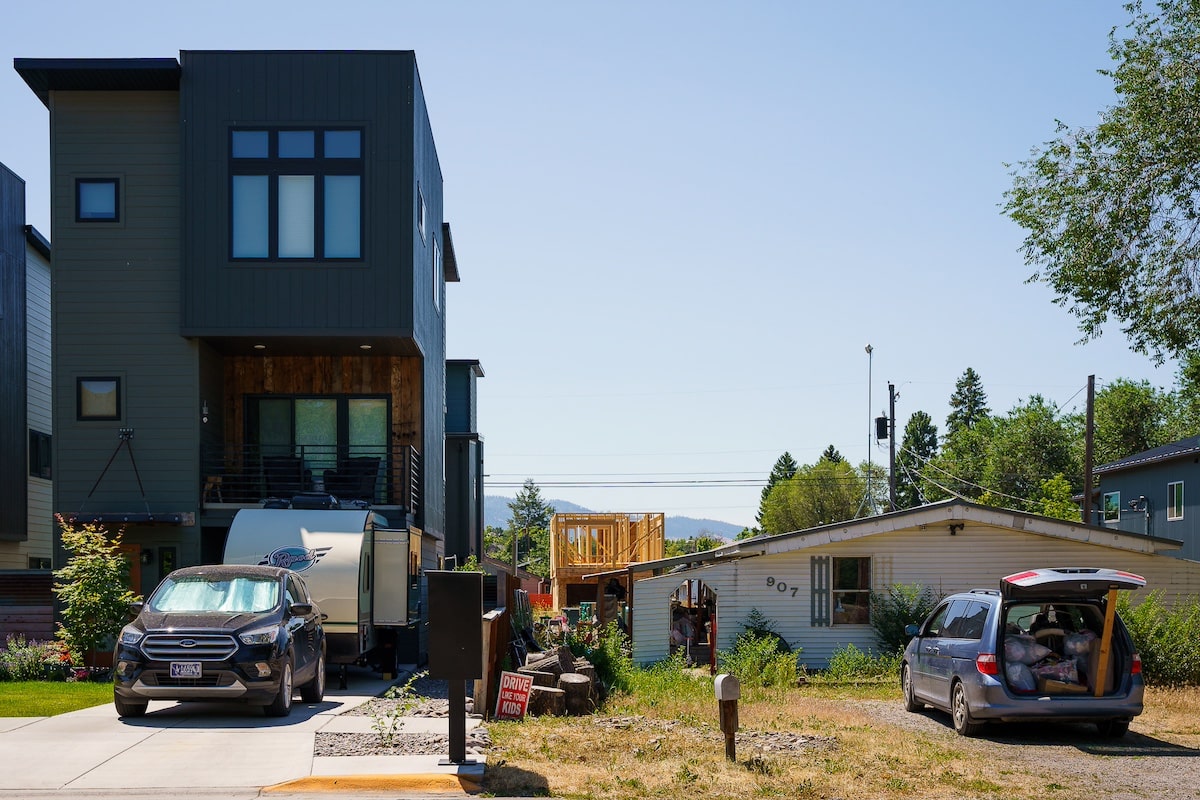
Today, the Northside is a neighborhood in upheaval, the change here disproportionate and rapid in a town struggling to keep up with housing demand. Take a lap through the neighborhood and you’ll see colorful houses adorned with prayer flags and Ninja Warrior set-ups for kids, old lilac bushes with gnarled trunks as thick as apple trees, free food stands and rusted out RVs. Dilapidated clapboard homes with crumbling roofs stand in the shadow of brand-new three-story townhomes, metal and modern. The Northside is the melting pot of a new and changing Missoula.
Drew Rieker grew up on the Northside, quite literally on the wrong side of the tracks, just a few blocks away from the property he and Nicole are trying to develop. It was a poor, rough neighborhood in his youth, the haunts of Missoula’s Nail in the Coffin gang and drifters who rode into town on boxcars. Drew remembers his father rousing drunks who had fallen asleep in their bushes. It’s a different neighborhood now, and a different town.
“We’re lucky enough to invest now in the neighborhood,” Nicole said. “We have ties here and we want to see it thriving. We don’t want to do anything detrimental to the neighborhood.”
“We were looking at adding four units,” Drew said. “The rental units would’ve been market-rate, they weren’t going to be luxury units or anything. They would be affordable.”
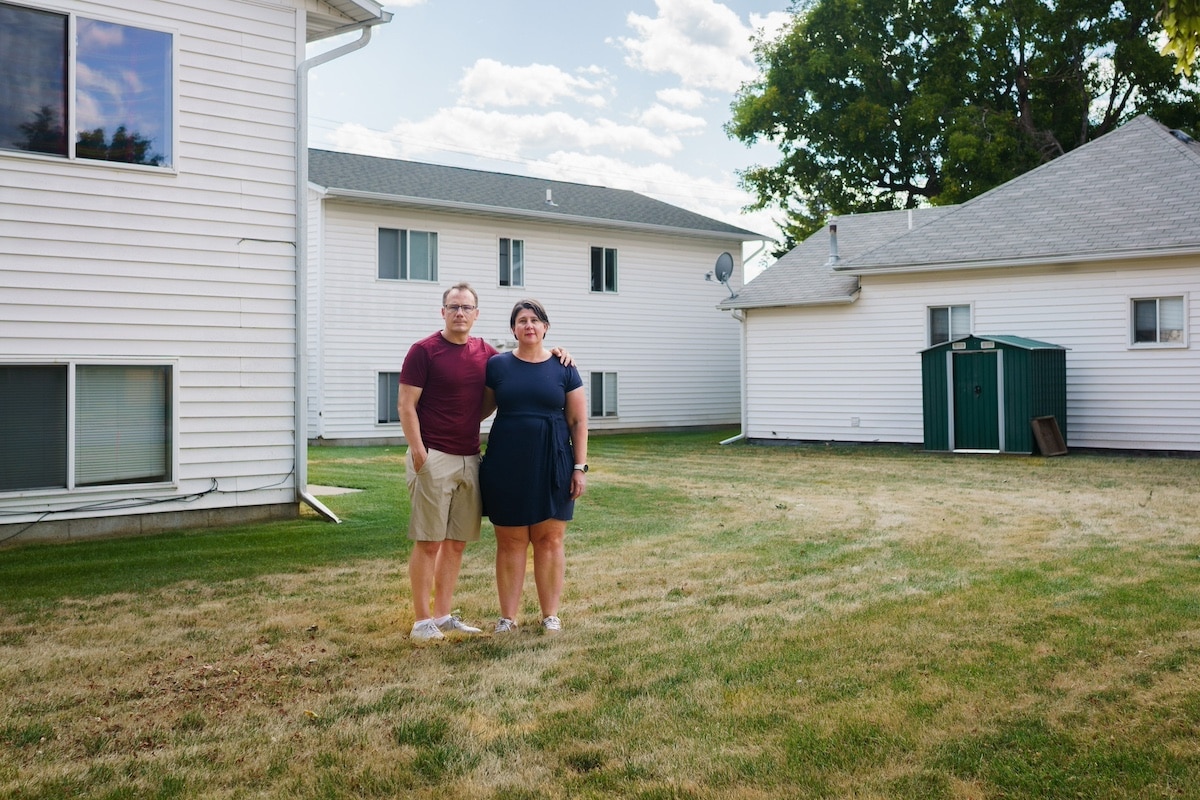
The surprises and delays have been arduous. The couple is hopeful they can break ground on the new duplex next year. The rest is still up in the air. For the Riekers the experience has been an exasperating education in the intricacies of zoning. What looks good for the city on paper—the addition of four new housing units within an existing neighborhood—is proving all but impossible to achieve.
“Going through this project, it’s not like people are like, ‘Gosh, let’s see how we can make housing work in Missoula,’” Drew said. “It’s more like, ‘We want housing in Missoula to be the most perfect it can be.’ I mean, I like beautiful places, too. We’re not trying to make something that’s ugly. But even some of these small little things make it impractical in a way where the housing is not going to be built.”
Nicole said she understands the need for rules, especially where safety is concerned. She just wishes they were more decipherable. “We’re accountants,” she said. “We’re used to following rules and systems. I have looked at some of these codes and they are super difficult to understand. It’s very intricate and confusing and there’s no book or website you can go to to learn about it.”
Drew is dismayed at the way the letter of the law in zoning can get in the way of the intention. “It doesn’t seem like there’s a common-sense approach for these things,” he said. “It just doesn’t seem like they bend at all in making the rules fit for the space.”
Standing on the grass of their property, surrounded by potential and rules, the Riekers seem to be telling me that Missoula can’t grow unless our attitudes about it grow first.
“We don’t live in a tiny town anymore,” Nicole said. “This isn’t Livingston, Montana. There’s got to be some time when we start accepting that we’re not building housing on half-acre lots everywhere.”
Editor’s note: This story was updated on July 19, 2024, to clarify the costs of a subdivision exemption application.


