Words by Chad Dundas, photos by Andy Kemmis.
You should see the face people make when they find out I like pro wrestling.
If you drew a Venn diagram and the three circles were confusion, disinterest and disgust, the little acorn-shaped spot in the middle would be this face. These people suddenly can’t look me in the eye. They press their lips together and shake their heads. You can see the wheels spinning back there, trying to figure out if they’ve misjudged me somehow. Wondering how they’ve gotten this far into our relationship (whatever it is) without realizing I’m an idiot.
Sometimes they laugh a little, like they hope I’m joking.
I am not joking.
If you’re making that face while reading this, I’m not going to try to change your mind about pro wrestling. I’d be wasting both our time. But I would like to tell you a few things that might make you consider wrestling in a different way.

Maybe I just have low brow tastes. I read crime novels. I listen to punk rock and hip hop. I like to eat a cheeseburger while I drink a beer. I think “Predator” is a great movie. I watch tackle football and prizefighting. I have no idea how many hoodies I own, but it’s a lot.
And, yeah, I like wrestling. I like it so much I wrote a book about it.
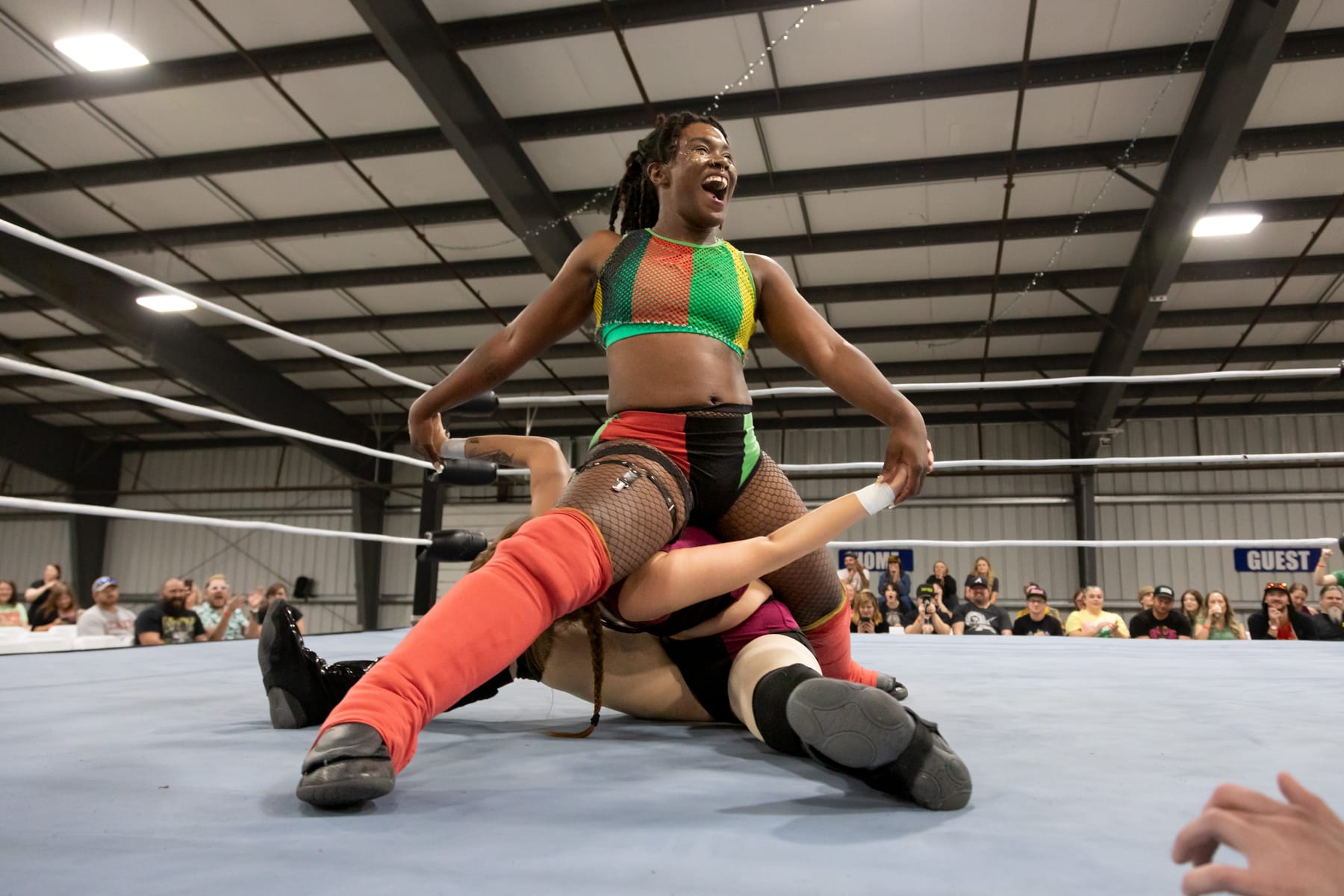
Last Saturday, for the second time in about five years, I worked with a group of friends to bring a high-level independent pro wrestling show to Missoula. It was hilarious and outlandish and bizarre, just like the best things always are.
About 400 people showed up at the Missoula County Fairgrounds to watch. From what I could tell, everybody seemed to have a great time. We partnered with an existing indy wrestling promotion from Oregon called Prestige Wrestling, who brought their ring and the wrestlers and their can-do attitudes.
The rest, I suppose, was magic.
Walking in, at least some of those 400 attendees didn’t think they liked wresting, either. As they left, maybe some of them still felt the same. But you know what? I think we changed some minds.
In the spirit of opening even more minds, here are a half dozen reasons why professional wrestling is good, actually.
1. Wrestling probably isn’t what you think.
If your only exposure to wrestling is on cable television, or if the first things you think of when you hear “pro wrestling” are Hulk Hogan, steroid scandals and women traipsing around in bikinis during the 1990s, you’ve only experienced a small slice of what wrestling can be.

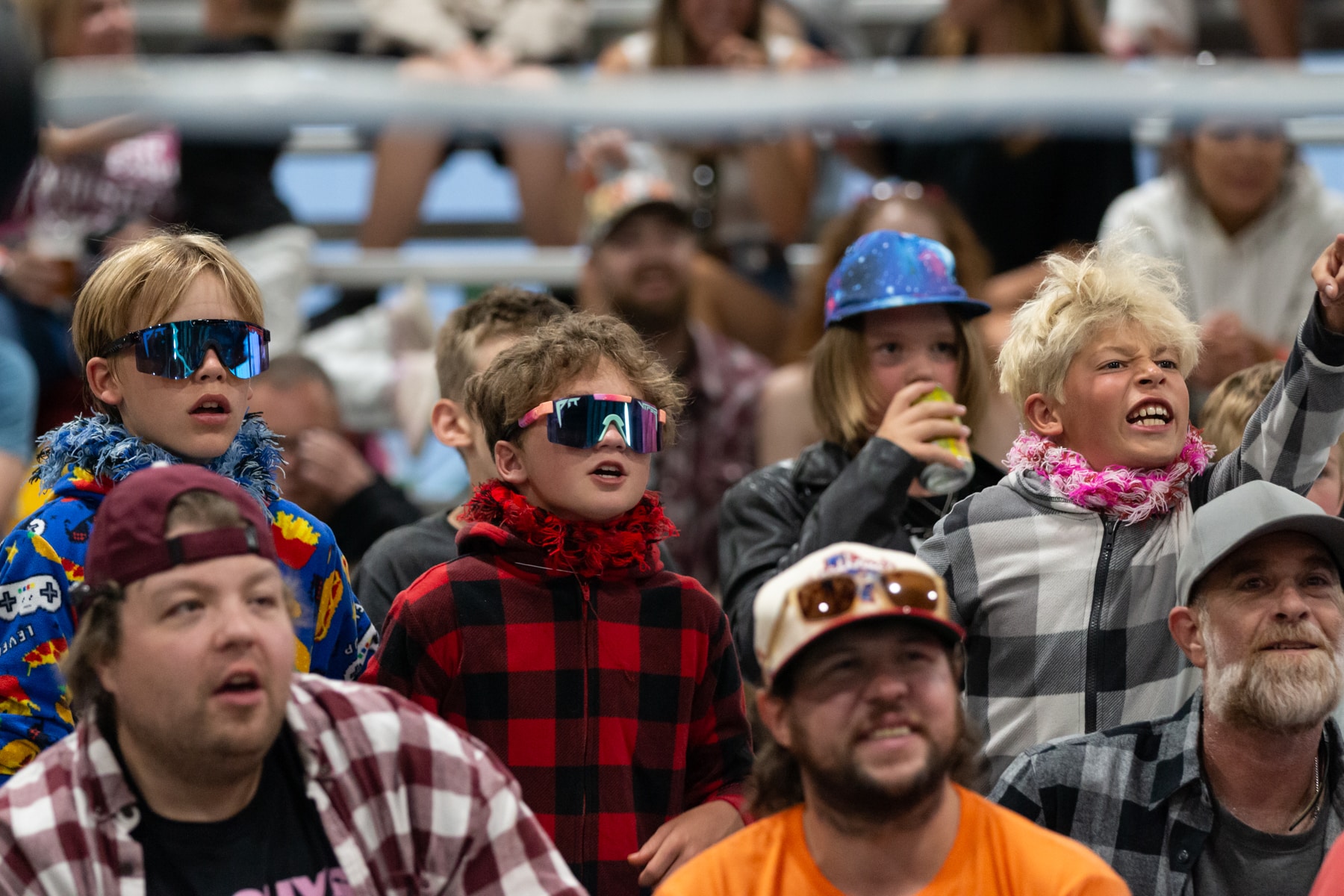

During the last 20 years, there has been a resurgence of independent pro wrestling across the country (and, indeed, all over the world). Each of these small, autonomous wrestling companies offers its own brand of wrestling, many of which cater to different tastes.
There is PG, family-oriented wrestling. There is wrestling for adult audiences only. There are all-women wrestling promotions. There are wrestling promotions that style themselves as horror movies and wrestling promotions that offer a happier, more cartoonish product.
The roster of performers has never been deeper. There are ghouls and cowboys and real-life anime characters and there are literal clowns—seriously, off the top of my head I can think of at least three clowns (but be careful because some of those clowns are evil).
Simply put, there is a lot out there.
Think of wrestling like music. You like music, right? There’s the music that’s on the radio—which is fine, I guess—and then there’s all the other music. Consider how many genres of music you can think of (jazz, classical, country, vintage 1950s surf rock) and I guarantee there are just as many flavors of pro wrestling.
Which leads me to my next point …
2. Independent wrestling is inclusive.
Or, at least, more inclusive than it ever has been before.
Again, if you come to modern pro wrestling expecting to see a bunch of baby-oiled behemoths strutting around in their tighty-whities, you’re probably going to be disappointed. Will there be some guys like that there? Sure, in the same way that if you go to the grocery store, there’ll probably be milk. But these days the wrestling landscape is far more diverse.


All body types are welcome and represented—and only a small minority look like they just came from the tanning salon. You’ll see every identity, race, class, orientation, nationality, political mindset, and socioeconomic status (not to mention good and bad taste) in the ring and in the stands.
Two weekends ago, I attended a matinee wrestling event in Chicago called “Effy’s Big Gay Brunch.” Organized by well-known openly gay independent wrestler Effy, it featured a cast of entirely LGBTQ athletes. It was super cool and bustling with a good-sized crowd, almost none of which looked like the stereotypical wrestling audience.
And yes, there was actually brunch.
Women’s wrestling, especially, has evolved rapidly over the last couple decades. These days, the women are booked alongside (and sometimes against) the men, a far cry from how women’s wrestling was presented by the male-dominated industry of the past. Usually, they have some of the best matches on the card.
Granted, there are still wrestlers and wrestling fans who are conspiracy-minded anti-vaxers with Gadsden flag bumper stickers on their trucks, but there is a sizable contingent of much different (dare I say normal) people, too. Take, for example, the guy who showed up Saturday in Missoula in a bright pink “Pro Science, Pro Choice, Pro Wrestling” T-shirt. There is also a popular line of wrestling T-shirts that say simply, “Wrestling is Gay.” See what they did there?
So, if you think of wrestling as a bunch of rednecks crowding around a chicken wire fence throwing beer bottles at the stage, save it for “The Blues Brothers.” Wrestling’s not like that anymore.
I mean, not totally.
3. Wrestling is international.
Last weekend in Missoula a Japanese wrestler called Shun Skywalker battled a Pacific Northwest grappler named Sonico, who performs the traditional lucha libre style popularized in Mexico. They both wore masks. It was weird and incredible, and likely the only performance of its kind going on in Missoula (probably the whole state of Montana) that weekend.

There are hotbeds of pro wrestling all over the globe and most of them have distinctly unique wrestling cultures. There’s lucha libre in Mexico. There’s Japan, where you are as likely to see acrobatic high-flyers as you are “strong style” wrestlers who actually hit and kick each other uncomfortably hard. In the UK, Cornish and Scottish wrestling styles go back more than a hundred years and the intricate, submission hold-based Lancashire style still influences performers today.
And let’s not forget our neighbors to the north. Canada has produced some of the greatest pro wrestlers of all time.
Almost every culture on earth boasts some kind of wrestling-based tradition. Some of it is real, some of it isn’t, but wrestling is everywhere. You can’t escape it.
5. Wrestling has a fascinating history.
Did you know that until the middle of the 19th century professional wrestling was real and was one of the most popular spectator sports in America? Throughout the early to mid 1800s pro wrestling drew huge live crowds to watch bona fide tough guys square off in unscripted, sometime brutal athletic contests.
As the century wore on, however, interest dwindled. People got a load of new-fangled attractions like baseball and professional football. By comparison wrestling was, frankly, boring. Matches were long (sometimes eight hours!) and often featured very little action.
At some point somebody (nobody is sure exactly who) came up with a risky and novel plan: Wrestling, they gambled, could be more popular and make more money if they faked it. It would be easier on the athletes’ bodies, leaving them able to perform more often, and the scripted version could be rigged to showcase the action needed to bring the crowds back in.
And you know what? They were right. It turned out people didn’t care that wrestling wasn’t on the level. They came back in droves and never left. The fake version of wrestling dragged the sport out of smoky ballrooms and crummy theaters and into honest to God arenas—as evidenced by the fact Frank Gotch and George Hackenschmidt drew 30,000 to Comiskey Park in Chicago for their obviously bogus championship match in 1909.
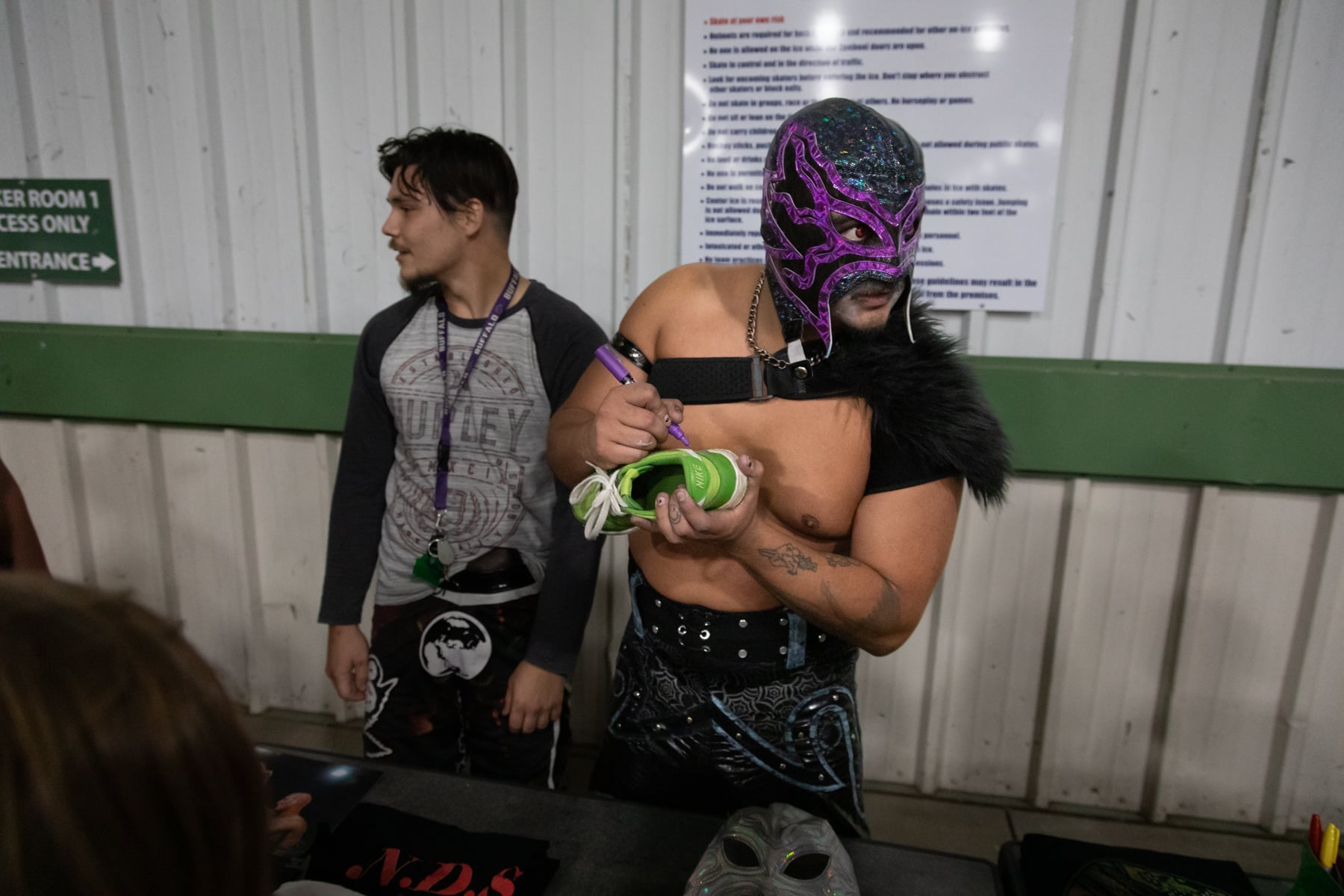
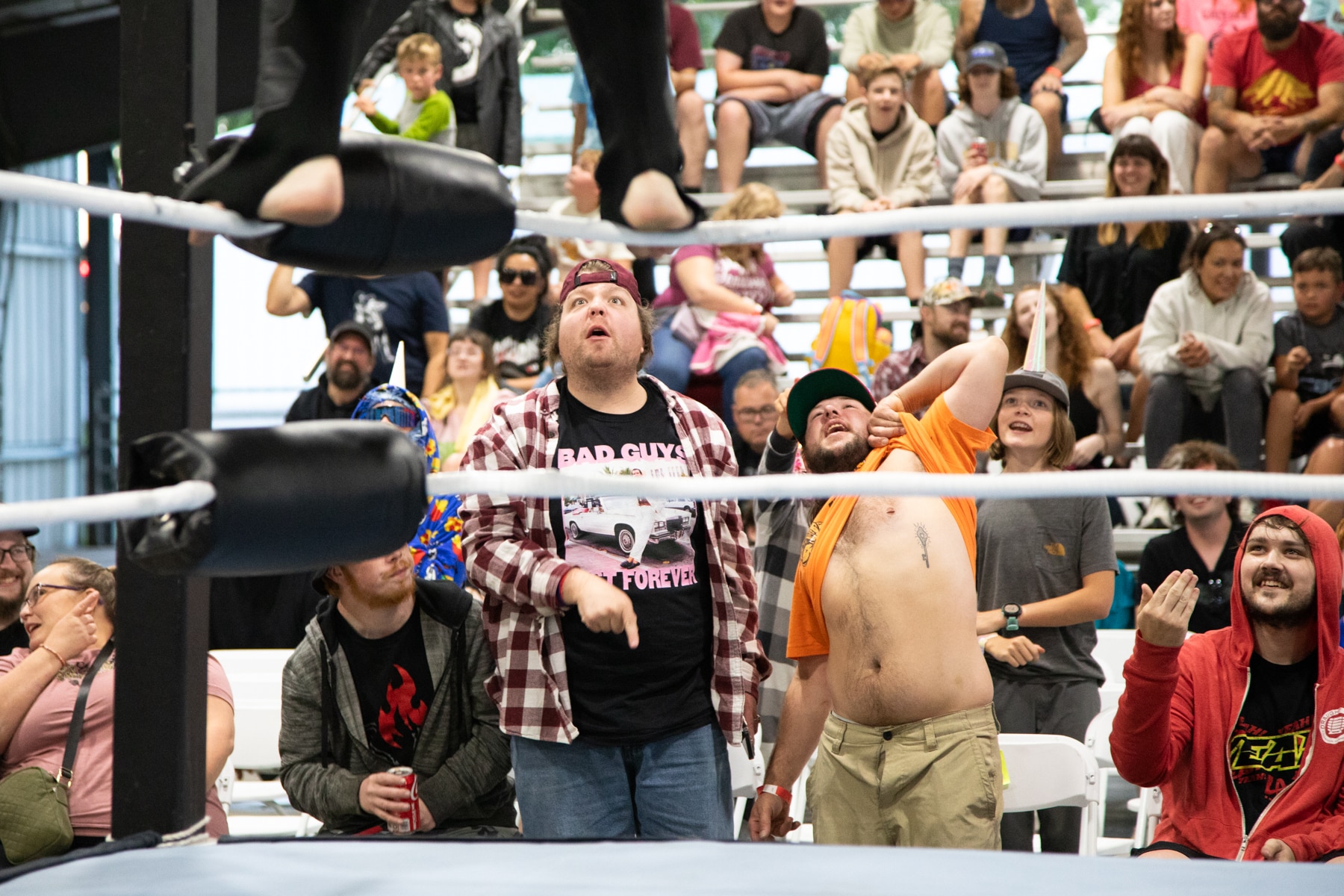
Scripted wrestling was big business. Who would’ve guessed?
Oh, and to that point …
6. Yeah, wrestling is fake … and that’s the fun of it.
Perhaps the biggest misconception about wrestling fans is that we’re all rubes who fall for the scam. That hasn’t been true for over a hundred years. Sure, there are some people who still believe, but most of them are under 10 years old. In the year of our lord 2023, everybody else is in on the joke.
And that’s the point. You go to a wrestling show, you drink a few soda pops (or whatever). You boo the baddies. You cheer the heroes. You laugh at the antics. You gasp over the high spots. You high-five your buddies or boost up your daughter so she can see what’s going on. Maybe you secretly cry a little bit when your favorite gets beat.
To enjoy it, you have to get over the glaringly obvious fact that pro wrestling isn’t a competition. Then again, I’d wager most of the sports and activities people do in mountain towns like Missoula aren’t strictly based on competition, either. If you’re a regular Joe who goes skiing, fly fishing or rock climbing, chances are you’re probably not competing to win a gold medal. You do it because it’s fun. Because it gets you out of the house. So you can spend time with friends.
If you’re still stuck on the idea that wrestling is “fake,” it’s you who doesn’t get it. The rest of us have moved on.
Wrestling is performance art. It’s theater. It’s ballet. It’s a little bit ice hockey, a little bit figure skating. It’s a magic show. It’s burlesque. It’s an unknown band or DJ rocking an out-of-the-way club until closing time.
If you like any of those things, you might already be a wrestling fan. You just don’t know it yet.
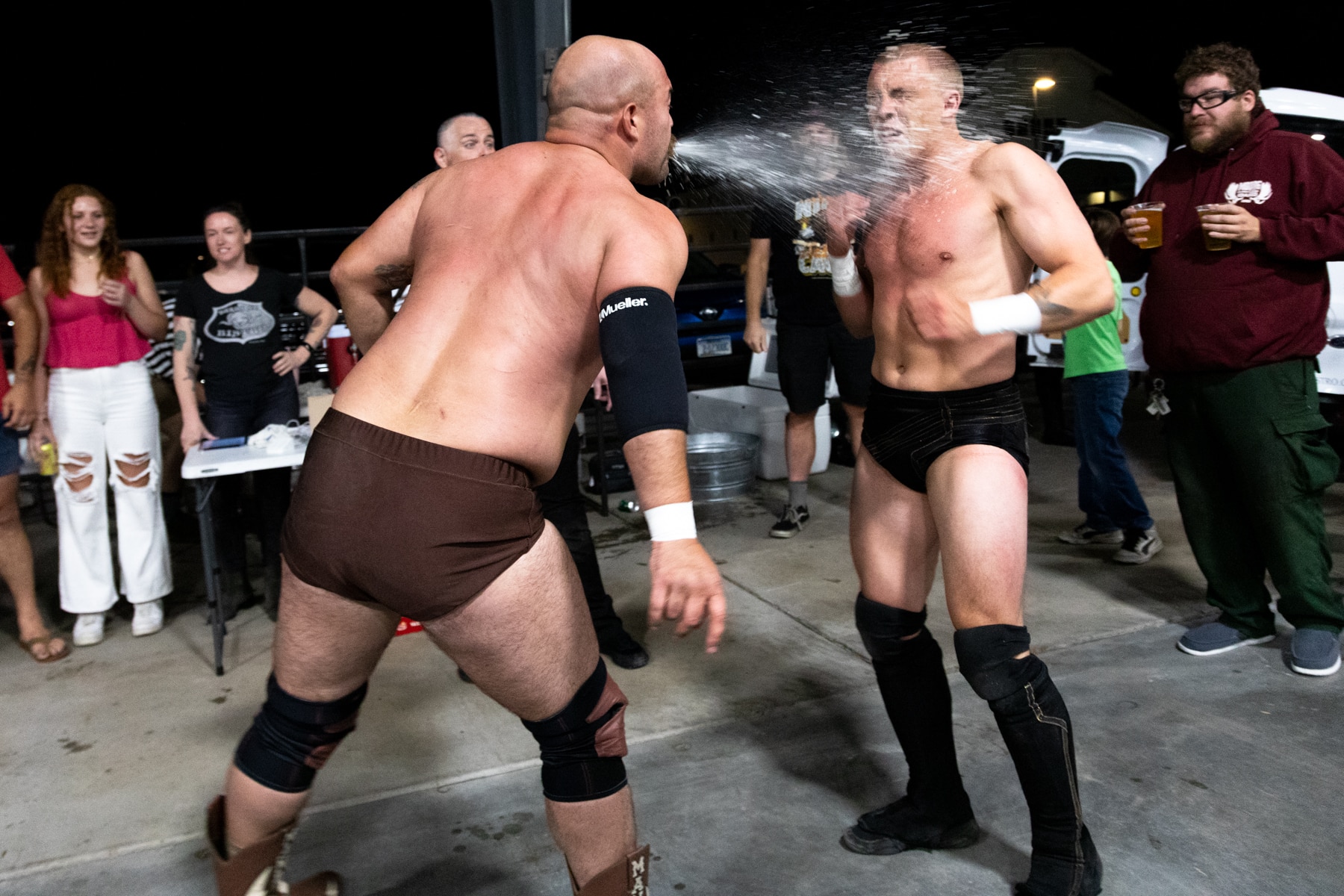
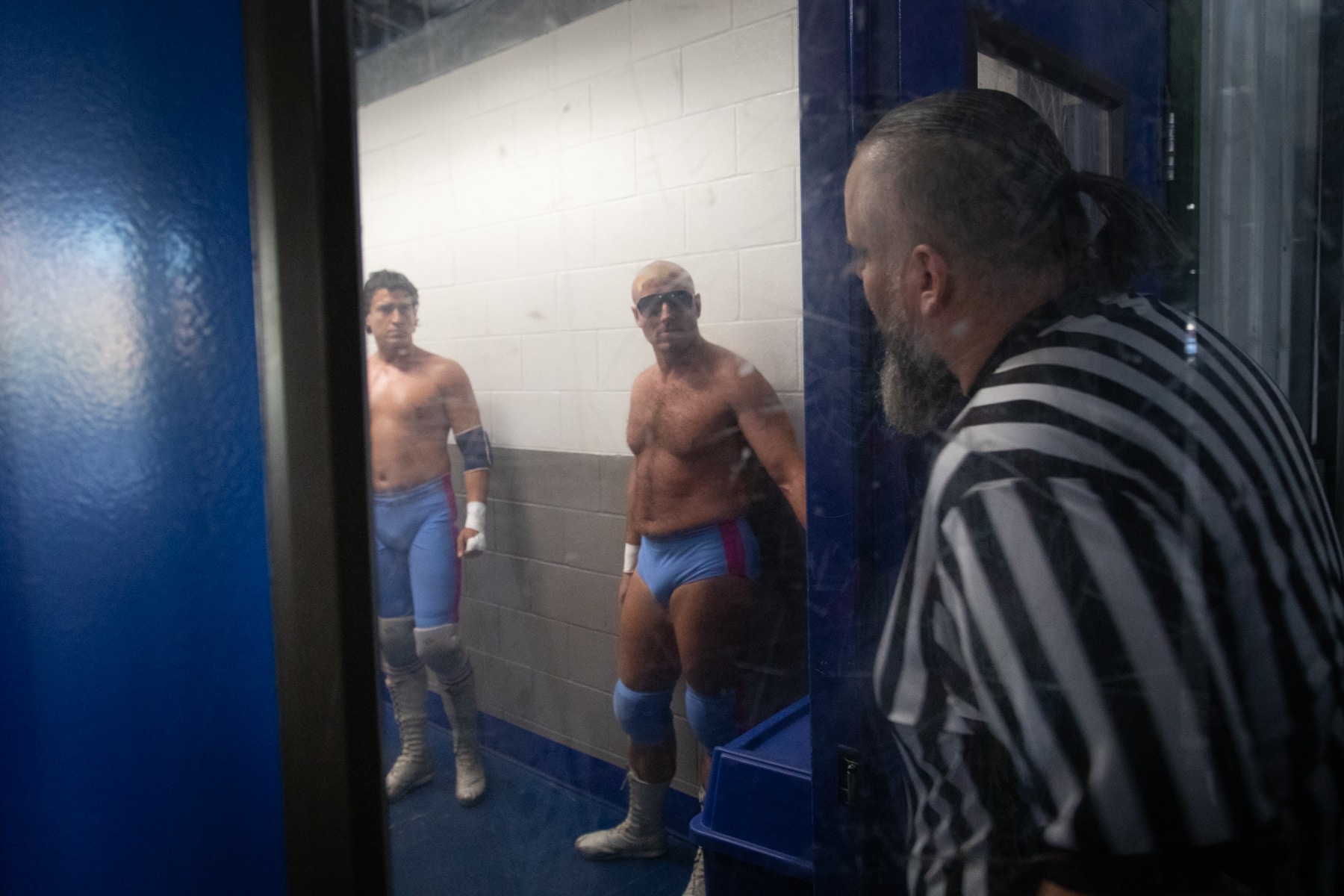

Over the years, I’ve taken a lot of non-wrestling fans to live wrestling shows and the majority came away admitting: Yeah, OK, fine, they had fun—even if parts of it still befuddled them.
Fact is, if you come to a live pro wrestling show with the fixed mindset that you are not going to enjoy it, you probably won’t. But what kind of way is that to live?
If you approach it with an open mind and an open heart, you might surprise yourself.
You might have fun.