A few weeks ago, at a small fundraising event for The Pulp, a supporter lamented the loss of the Missoula Independent, the beloved weekly newspaper that unceremoniously closed in 2018.
“The Independent taught me how to be a Missoulian,” he said, recalling his first couple of years after moving here in the early 2000s.
What a great description of the Indy. Every week the paper revealed a Missoula a little more interesting and complicated, leaving you a little more attuned and connected. Its pages informed our thinking, our weekend plans, our votes. The Indy’s void still feels fresh, maybe because this fast-changing town has us craving an authenticity the paper reflected.
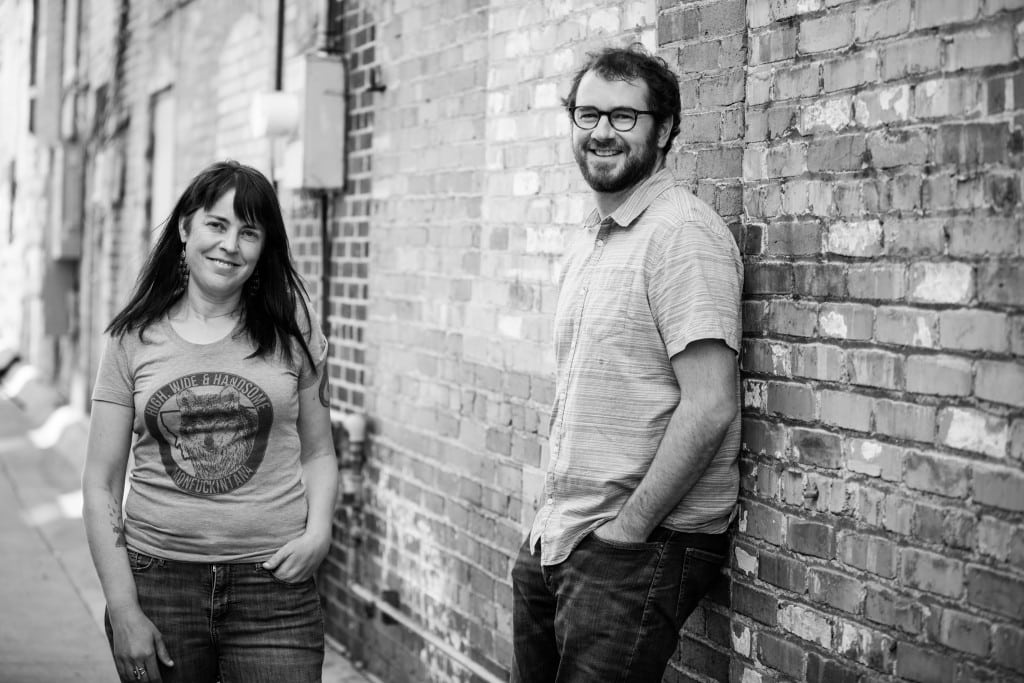
I’m as nostalgic as anyone. The Independent taught me how to be a reporter. Same for Erika Fredrickson, who spent more than a decade as the arts editor. Erika and I are launching The Pulp five years to the week after the paper’s abrupt closure to honor what was Montana’s only alt-weekly and to make clear where our roots lie.
But The Pulp is no exercise in nostalgia.
Yes, we aim to build a news organization that revives the Indy’s brand of journalism, with smart reporting and arts and culture coverage that truly reflects what makes Missoula, Missoula. But the local news crisis here and across the country demands that we think bigger than that.
The Independent’s death was traumatic, its staffers arriving at work on that September morning in 2018 only to find the building’s doors locked, the final insult after Lee Enterprises acquired the paper and then resisted the newsroom’s unionization. It was also, given trends across the news industry, predictable if not inevitable—just another casualty amid the gutting of local journalism.
The slow bleed was more of a gush in 2018. In April, The Denver Post’s newsroom revolted after its owner, the hedge fund Alden Global Capital, announced it was cutting 30 newsroom jobs. In May, The Salt Lake Tribune laid off 34 reporters. Lee Enterprises, which owns five dailies in Montana including the Missoulian and Billings Gazette, slashed journalism jobs at all of them.
As a country, we’ve lost more than a quarter of our newspapers since 2005. The local news void, here and everywhere, diminishes civic engagement and feeds misinformation, political polarization and extremism. In other words, it’s a crisis for our democracy.
I’d been tracking all of the newsroom layoffs and buyouts around the Mountain West as part of a regional journalism newsletter I curated while working at the O’Connor Center for the Rocky Mountain West at the University of Montana. But as bleak as it’s been for legacy newspapers especially, the region is also home to some of the industry’s best examples of resilience and innovation.
The Denver Post revolt spawned The Colorado Sun, which launched five years ago this week and now has a staff of 27. In 2019, The Salt Lake Tribune became the first legacy newspaper in the country to transform from a for-profit company to a nonprofit. Montana Free Press, a nonprofit founded by former Independent reporter John Adams, now has more than a dozen full-time staffers—and all of the papers Lee Enterprises owns in the state regularly publish its articles. And former Lee reporters now staff another relatively new statewide publication, the Daily Montanan, part of the nonprofit States Newsroom.
Last fall, Erika and I attended the Independent News Sustainability Summit in Austin, Texas, where Montana Free Press won “Business of the Year.” Around the time the Indy closed five years ago, MTFP was hiring its first full-time staff reporter. Now it’s a national model hailed for its “exceptionally sophisticated approach to holistic and resilient operations.” It’s remarkable what MTFP has accomplished over the last five years, and its ascent contributes to and reflects an emerging ecosystem of entrepreneurial publishers testing and refining new business models.
As we launch The Pulp, we’re fortunate to be able to lean on these pioneers. We’re also plugged into a network of independent publishers through Indiegraf, a local journalism incubator of sorts that earlier this year chose The Pulp to be among the roughly 20 startups supported by its $3.5 million News Startup Fund.
The collective know-how of this ecosystem has us focused not on recreating the Missoula Independent, but on building a community-supported organization that’ll be around for the long haul.
One of the things that means is we’re not publishing a weekly print paper, at least not yet. Or maybe not ever. But we really want to. We’re approaching print cautiously and creatively. We’re like, you know, pulp—the makings of paper but not paper. There’s a lot of shaping to do.
So The Pulp begins with this website, which will always be free to read because accessibility is one of our core values. And while we’re thinking big we’re starting small. It’s going to take time to build a newsroom, to build organizational capacity as a whole. And as The Pulp takes shape, our ability to produce the high-quality, ambitious journalism we’re planning depends on the community itself.
We hope you’ll support The Pulp by contributing to our Big Squeeze campaign—the goal is $40,000 by the end of September—and by becoming a member.
In the end, this work is really about creating a container, a culture container. Erika and I hadn’t really thought of it this way until a few weeks ago, at the same event I mentioned at the top, where a friend of ours, the local writer Jeremy Smith, likened The Pulp to the making of yogurt or sourdough, which require a starter and a container.
“A few years ago, Missoula lost its crucial culture container: an independent local newspaper,” Jeremy said. “Now, as big money comes in, artists, poor people, and their intersection—journalists—are getting pushed out.
“So we have sushi and Mexican street food and cool concerts and a bazillion boutique this-and-thats, but our cultural capital has been diminishing to that smallest smidgen.
“Matt and Erika are here to save our starter, spread it around, and grow and nurture it in an amazing new container. All they need from us is the interest and investment to keep it warm.”
We can’t wait to see the shapes it takes.