A few blocks south of Rose Park in Missoula, tucked into a shopping center so nondescript it might give you déjà vu, lies a rare shop between a faded insurance agency and a realtor’s office. As you push open the door, a sign reading “Peace Be Upon You” swings from the glass panel. Clear lights in the shape of stars and moons hang on the shop’s front windows and a sweet floral scent floats faintly in the air. You’ve arrived at Dama Rose, a small international market that offers a wide-ranging selection of Halal groceries.
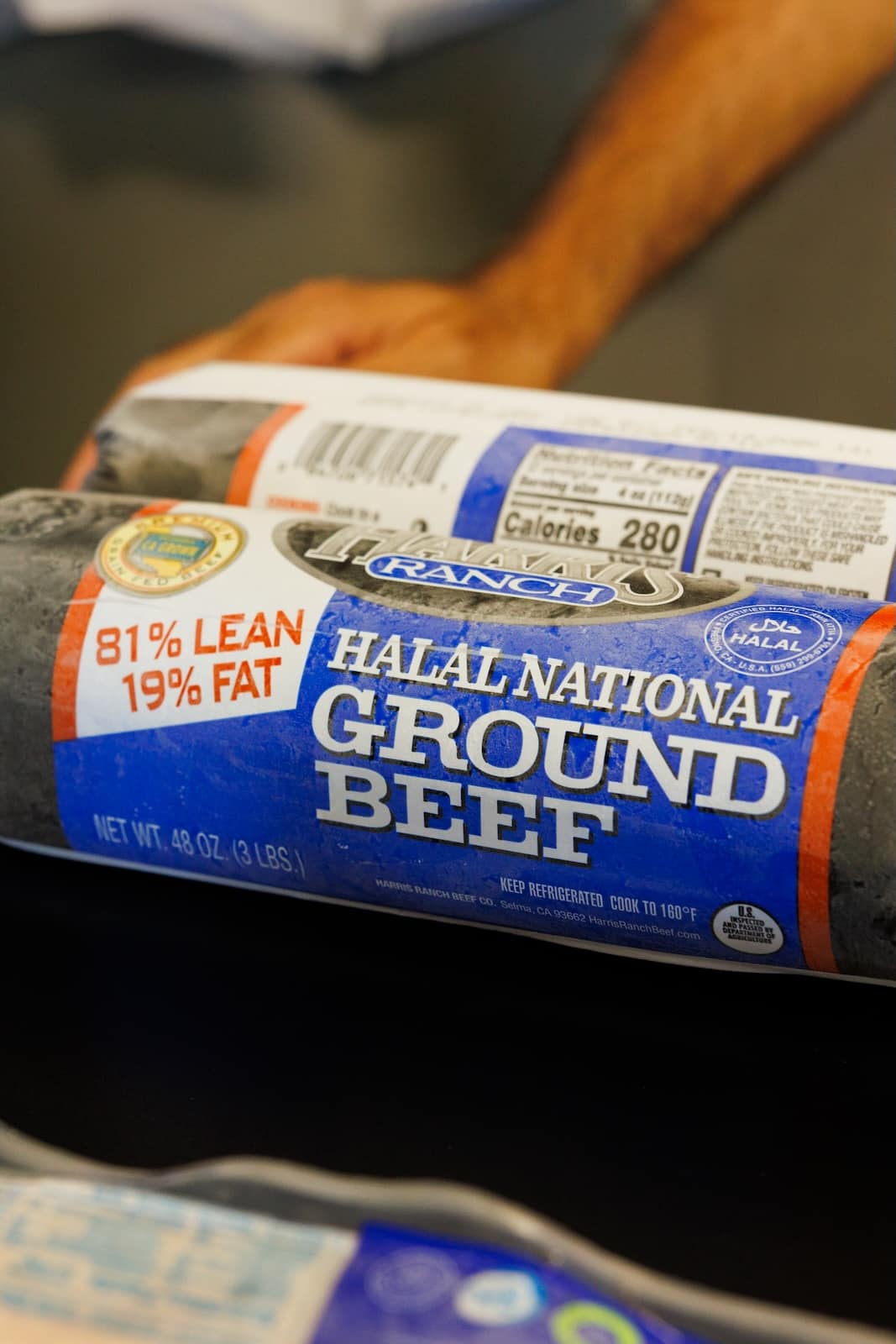
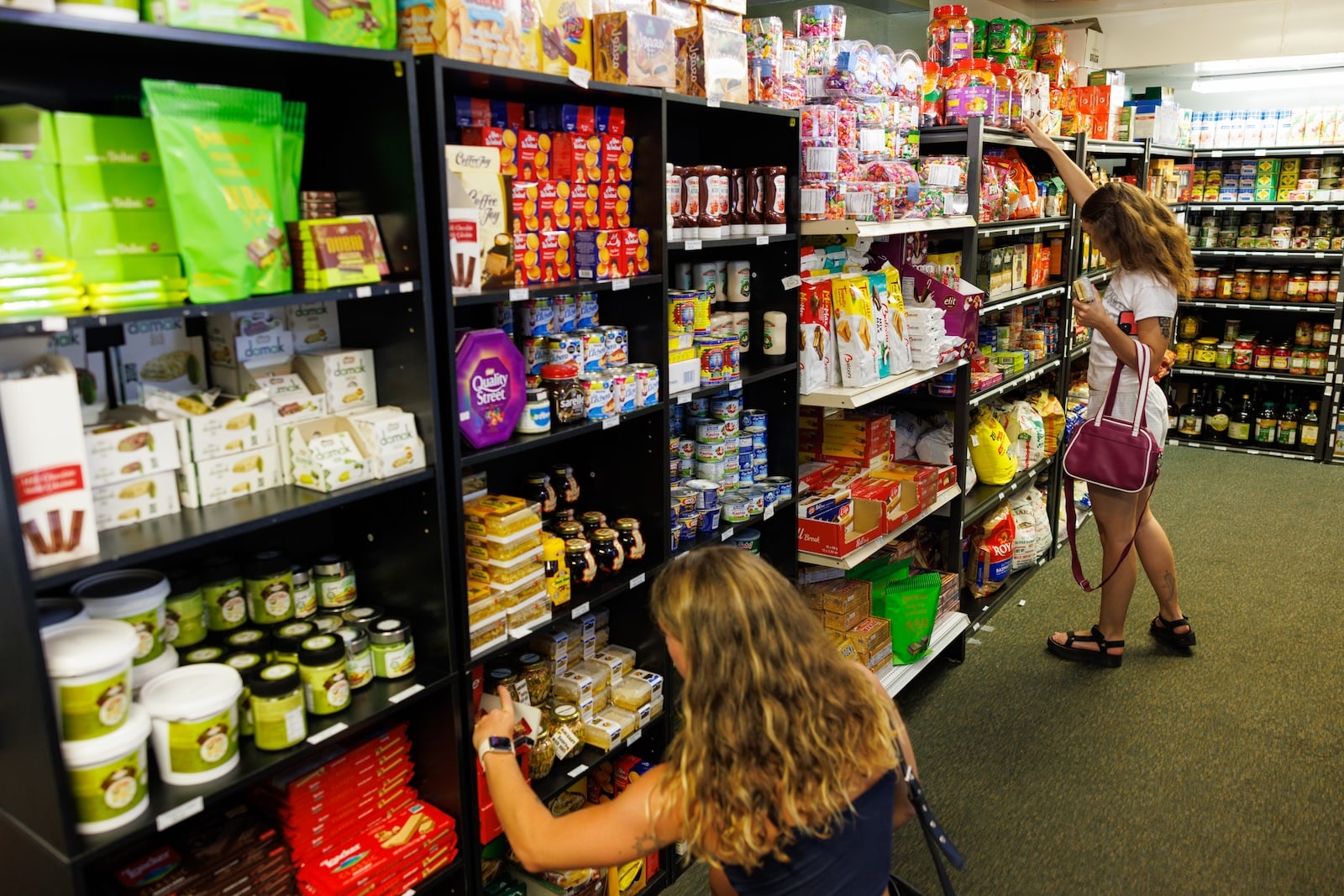
It’s hard to know where to look first in the small, meticulously arranged space. There’s a large shelf dedicated to Arabic coffee, which is brewed with finely ground, light roast beans and combined with spices like cardamom and saffron. Ornate dallah coffeemakers sit beside sets of tiny, delicate cups. Above them are incense holders with intricate wooden inlays set in metal. Further in, you’ll find shelves stacked floor to ceiling with olives, spices, oils and spreads, and coolers of frozen meats and prepared goods traditionally from Syria, Egypt, Iraq and other nations. In the corner is a range of hookah tobacco and drawers overflowing with Turkish delight and assorted sweets. The shelves, the coolers — the walls themselves — are full to bursting, but there’s an art to the balancing act. Nothing seems to spill over.
“It’s fun to have hard-to-find items or products,” says Refaat Shbib, who owns the market with his family. “And people coming here asking me for things they used to have when they were back in their countries.”
Shbib and his family are originally from Damascus, Syria but were forced to leave their home in 2013 due to the civil war. They lived in Egypt for a few years — Shbib for eight years, his family for seven — before moving to the United States in search of a more stable life.

They wanted the Dama Rose to be a place where families could find the traditional ingredients and meals from their homelands, in a place where Halal foods (foods prepared in accordance with Islamic law) are hard to come by. They named the market for the Damask rose, a fragrant flower cultivated in Damascus for centuries that is prized for its essential oils and symbolizes beauty, resilience, and heritage.
It was no small endeavor, Schbib admits. At first they had no idea how to source the international items they planned to build their market around. Fortunately, Schbib had experience building businesses from scratch. During his time in Egypt, he started many businesses, including one selling vegetables and another selling cosmetics. He ended up with three successful businesses, one of which is still running, and two of which he closed when he moved to the U.S.
Dama Rose has been a meaningful way for Shbib and his family to connect with fellow Missoulians. The market serves as a bridge, offering families with ties to Arabic or Islamic traditions access to familiar, Halal-prepared foods.
“It’s actually really nice, because before we opened I wasn’t in touch with a lot of people,” Shbib says. “Now we get a lot of visitors from different cities. I have customers from Kalispell, Butte, Billings, Bozeman.”
Some people come to shop but others just want to learn or connect with the Arabic and Islamic communities in the area. Sometimes they are looking for help.
Schbib saw an example of that recently when the market got a phone call from a father in Alberta whose son was stuck in the airport. The father spoke Arabic but not English, so he called the market to find a bilingual speaker who could help his son sort things out.
“They have a place to go to, to ask, to be able to reach the rest of the people,” Schbib says.
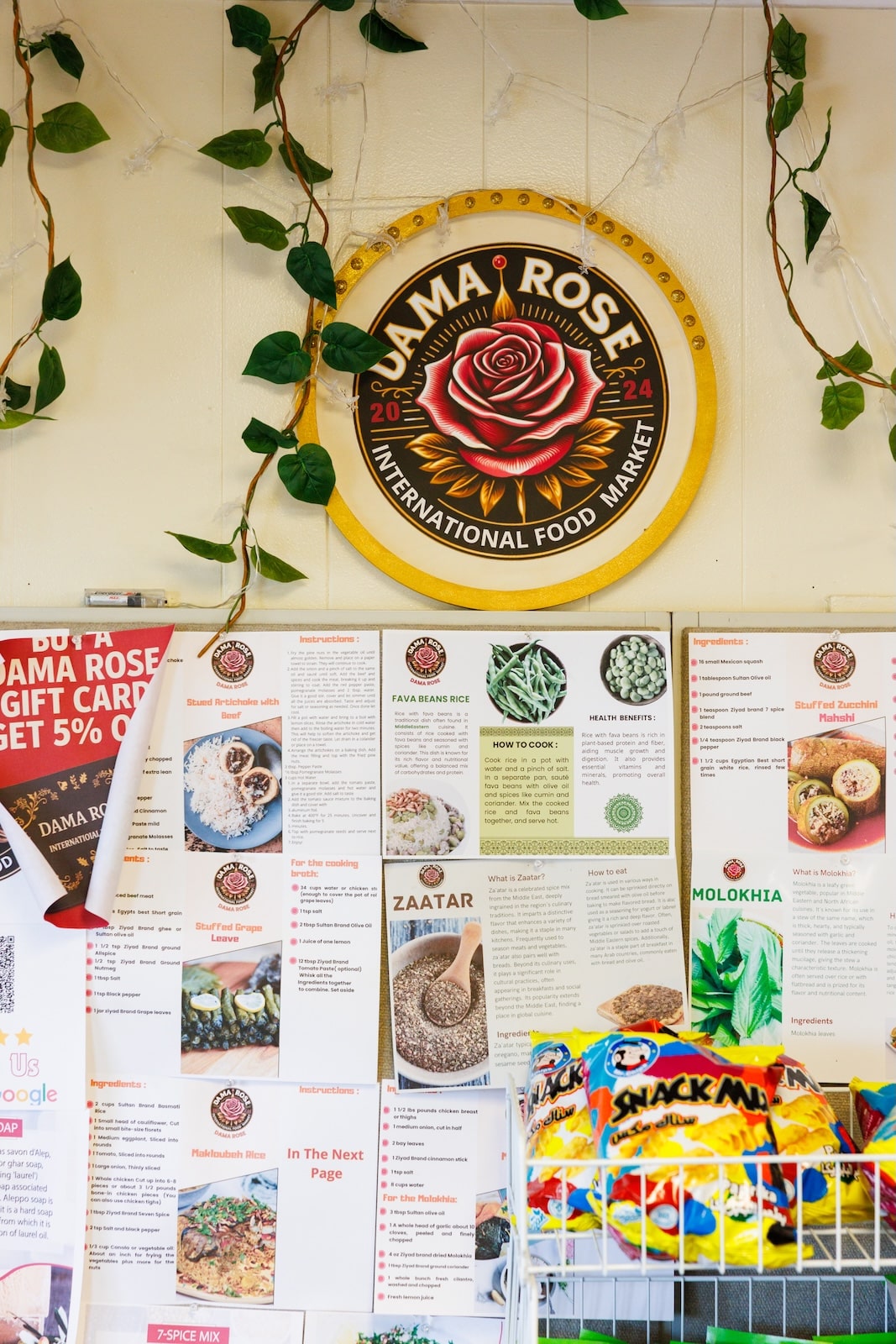
The market is also welcoming to people outside the Arabic and Islamic communities who want to explore a culture they may not know well. The wall next to the market’s front door is covered with recipes of varying levels of difficulty, including seven-spice mix, kibbeh, and even a recipe for laurel soap.
But the Dama Rose is also a place you can shop if, like me, you aren’t someone who cooks. I’ve yet to develop much aptitude for the culinary arts (though my talent for setting off the kitchen’s smoke alarm is undeniable) so I found the Dama Rose’s frozen section particularly appealing. Shbib recommended the kibbeh with spicy hummus, which I baked at home. The lightbulb-shaped mixture of spiced, slightly sweet beef and bulgur is deep-fried to form a crisp shell, and it pairs perfectly with the hummus, which adds just the right moisture and kick. I was hooked after just one bite. (And it was nice to try food from another part of the world without needing a 40-minute YouTube tutorial and a fire extinguisher.)


Dama Rose has come a long way since it opened early last year. It started with an inventory of just 200 total items.
“We started very slow, actually,” Schbib says. “When we first opened, it was just a few customers a day, but now it’s getting really good. I could say it’s 100 percent better than last year.”
Besides local customers, requests from families across the state pour in, and the shelves of Dama Rose — now brimming with more than 500 items from across the globe — fill constantly as a result. Shbib and his family try hard to ask all of their customers what products they wish they could have, since their customer base is vast, hailing from Egypt, Syria, Iraq, Turkey, Eritrea, Ethiopia, Pakistan, Kazakhstan, the Democratic Republic of the Congo, Russia and elsewhere.
“Just let us know,” Shbib says, “and we will try to get it for you.”
Dama Rose is at 715 Kensington Ave. Suite 11, and open daily between 11 a.m. and 8 p.m.