It’s not every day that Montana’s oldest and most traditional German-style craft brewery releases a new beer, let alone a beer that is not Bavarian. Hold on to your steins.
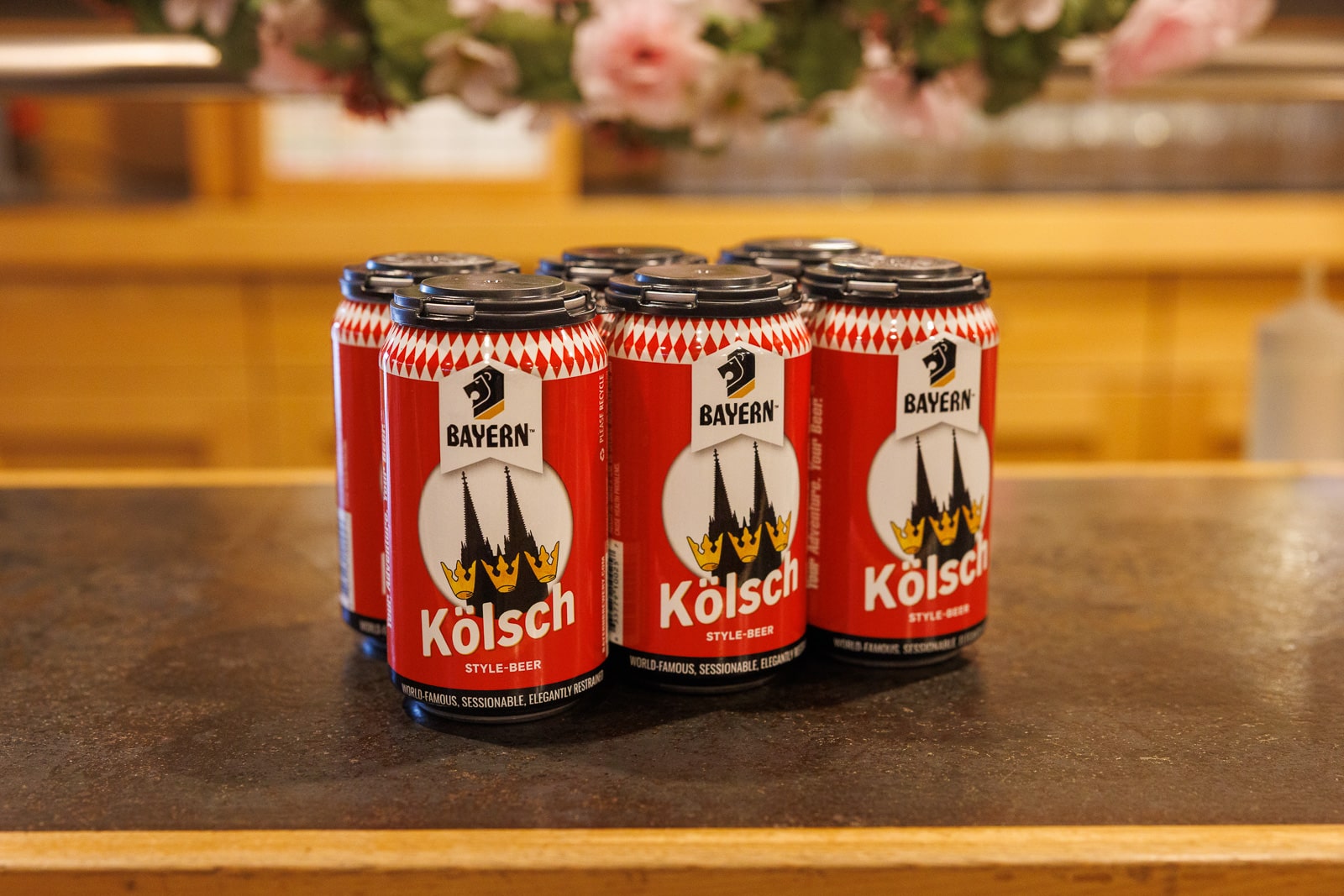
This spring, Bayern Brewing unveiled a new Kölsch-style beer alongside its lineup of carefully crafted brews with ingredients limited to water, malted grain, hops, and yeast, in tribute to the German Reinheitsgebot brewing law.
Longtime Bayern Brewmaster Thorsten Geuer says he developed this new flagship beer as part of taking the reins from founder Jürgen Knoeller, who is retiring in 2027.
“Not that I had nothing to do in the last 24 years with what we put out, but it’s my first statement piece. So I said, ‘OK, I’m gonna get a Kölsch out there,’” Geuer says.
Kölsch represents Geuer’s roots in Cologne, where he apprenticed early in his career, but he wasn’t about to just dive in without preparation. This is a 500-year-old beer we’re talking about here.
“I will help you to bypass some decades of research and development … but I would not give you a recipe. The recipe is something that you have to design.”
“I worked with my former brewmaster in Cologne,” he says. “We visited the brewery in November, and he said: ‘I will help you to bypass some decades of research and development. I tell you what you can do, what you shouldn’t do, what you can use, what you shouldn’t use, the effects of it, but I would not give you a recipe. The recipe is something that you have to design.’”
After laborious tinkering and ingredient sourcing, Geuer is pleased with the result, which is now available on tap and for retail sale throughout Montana. The label was commissioned from artist Rob Rez as a nod to the double-spired Cologne Cathedral and its Shrine of the Three Kings.
The new brew is technically a “Kölsch-style beer,” because much like Champagne, a true Kölsch only comes from one place. (Sorry, Miller High Life.)

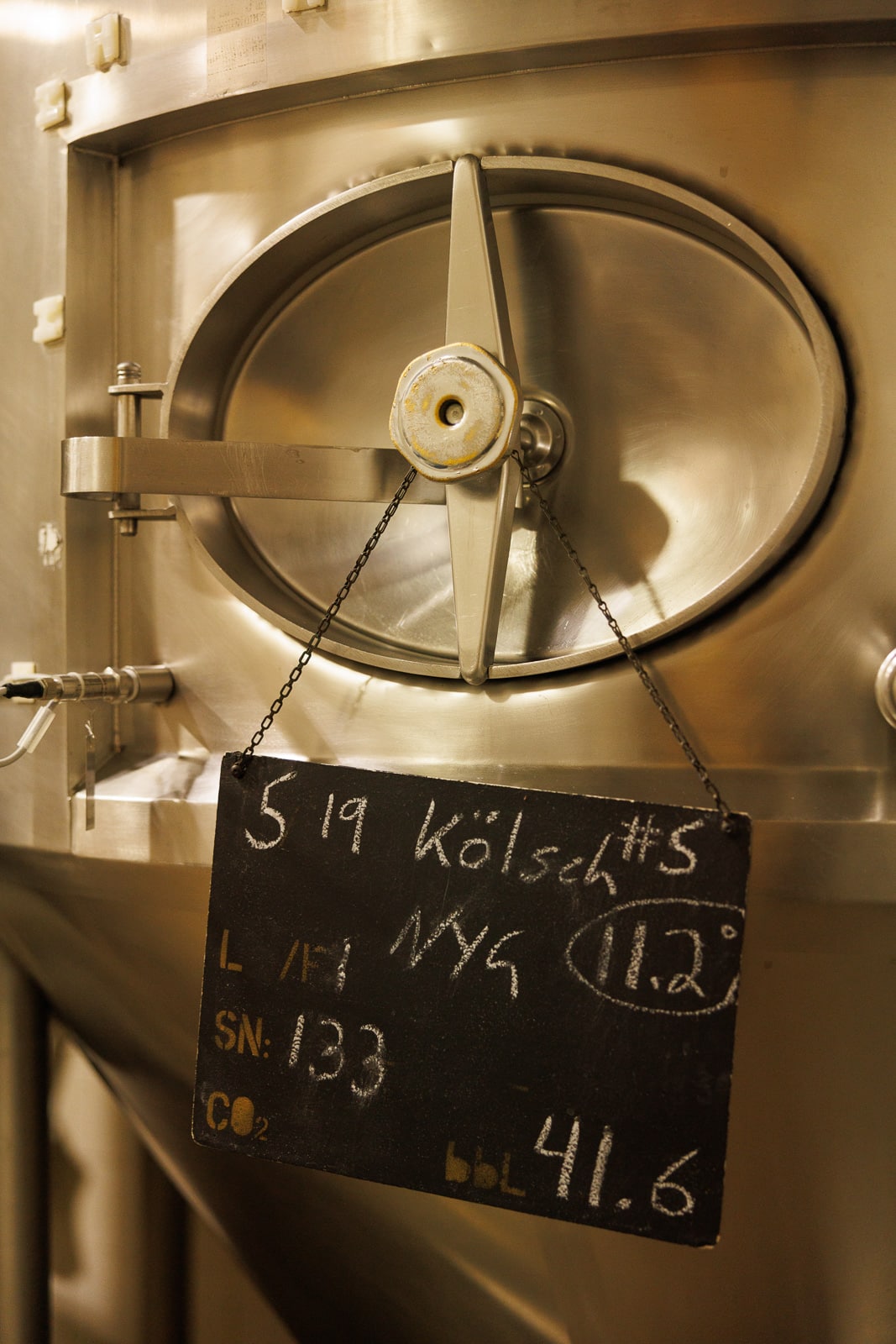
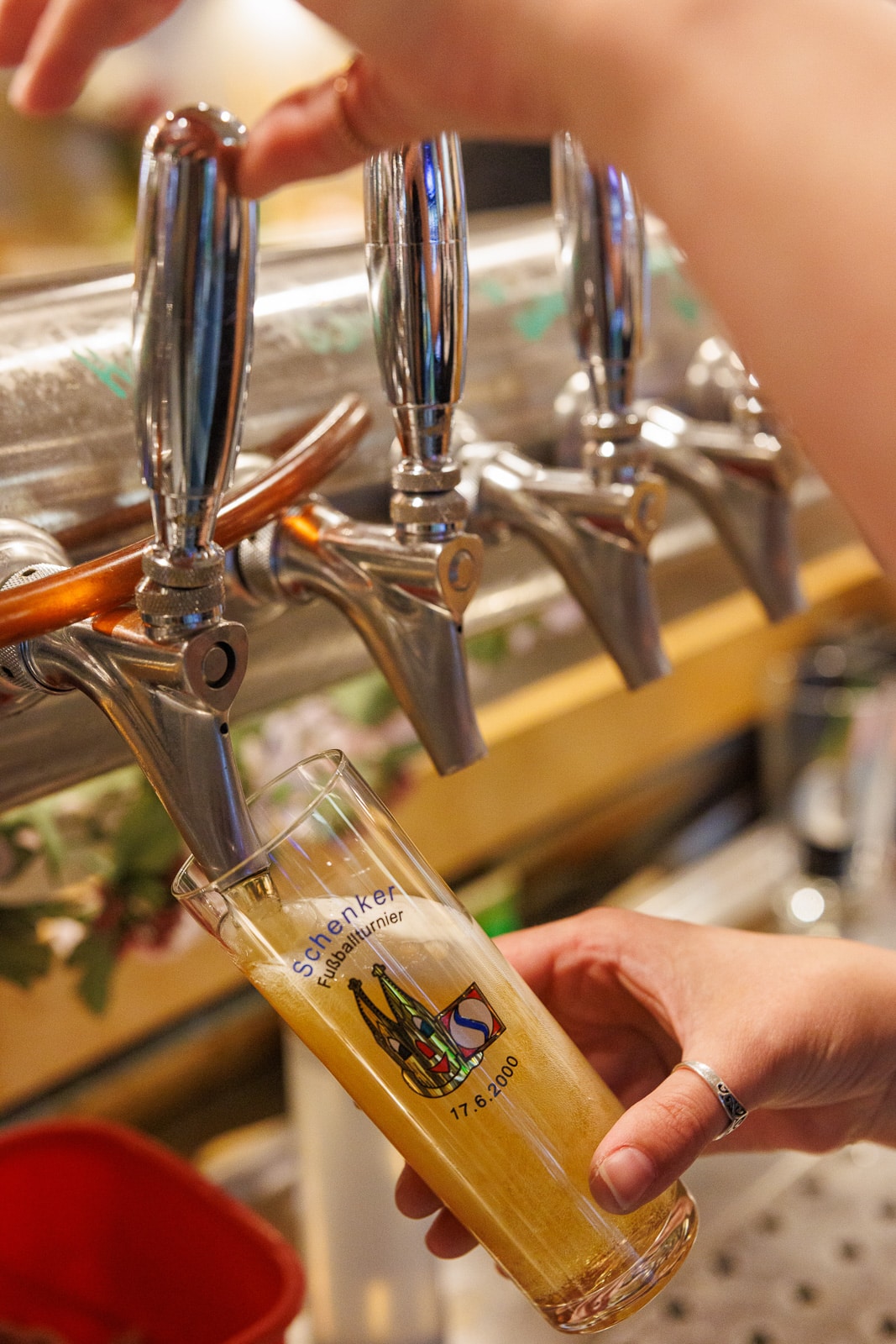
Kölsch must be brewed within 50 kilometers of the city of Cologne under the Kölsch-Konvention guidelines defining its specific color, flavor, and gravity. It’s traditionally served in a 200-milliliter glass called a stange, which is refilled by a server continually until the drinker places a coaster on top to indicate that they’re done.
Bayern’s Kölsch is its lowest alcohol beer yet, at 4.8 percent, with a gently fruity yeast aroma and a delicate hops profile. Geuer recommends taking your bottle out of the fridge and letting it warm up for a few minutes before cracking it open, since American fridge temperatures mute the flavors of good beer.
“It’s sessionable. I think that is the correct word because we don’t want to encourage people to overconsumption of an alcoholic beverage, but it’s sessionable,” he says. “It’s meant that you have more than one. It’s really easy, easily drinkable.”
For Geuer, the initial positive reception from Bayern patrons is a sign that Bayern can continue offering new beers while still honoring long-held traditions.
“Bringing that cultural heritage from different areas to a consumer is a fun thing to do,” Geuer says. “So we definitely will look outside of Bavaria, outside of Cologne, and see what [other beer] we can find and introduce that is not readily available in the Montana market.”