After a four-year hiatus, the Bacteria Bazaar is back. The second semi-annual festival of all things fermentation will be gently bubbling in Hamilton this weekend, Oct. 25 and 26.
Fermentation is one of the oldest forms of food preservation and a skill that is practiced by many cultures around the world. It’s a way to enhance flavor, feed ourselves locally grown foods throughout the year, and enjoy the health benefits gained by consuming live fermented foods.
Anyone with a fermentation fixation — from novice to double black diamond fermenters — is invited for a weekend of classes and events. Topics include tempeh, miso, cider, kimchi, ice cream(!), general vegetable fermentation and many others.
“It’s a pretty good lineup,” says Erin Belmont, owner of House of Ferments, who co-organized the event with Angi Hronek of Blue Coyote Farm. “I’m excited to learn some new tricks and techniques and hang out with a bunch of weirdos. I’m really looking forward to Kristen Shockley’s vinegar class, and Sandor Katz’s Asian-style fermented meat workshop.”
“I’m excited to learn some new tricks and techniques and hang out with a bunch of weirdos.”
Shockley hails from Oregon and is a well-known fixture in the fermentation world. This will be her first visit to the Bacteria Bazaar. Katz, probably the world’s most famous fermenter, attended the inaugural Bazaar in 2021, and will be giving a keynote talk and Q&A on Saturday night. He will also be teaching some intro-level courses as well as the fermented meat workshop, which is a challenging topic even for seasoned fermenters like Belmont.
But since she will be assisting Katz for his meat workshop, Belmont has had to face those misgivings as she recipe-tested his Naem Fermented Pork Ribs recipe from his book “Fermentation Journeys,” including a batch of ribs to bring to the workshop so people can sample the finished product.
“I don’t think I’m brave enough to eat the fermented ribs raw,” she confided. “In Sandor’s book he says to oven-roast them. But I went down some rabbit holes on the internet and learned that you really don’t have to cook them.”
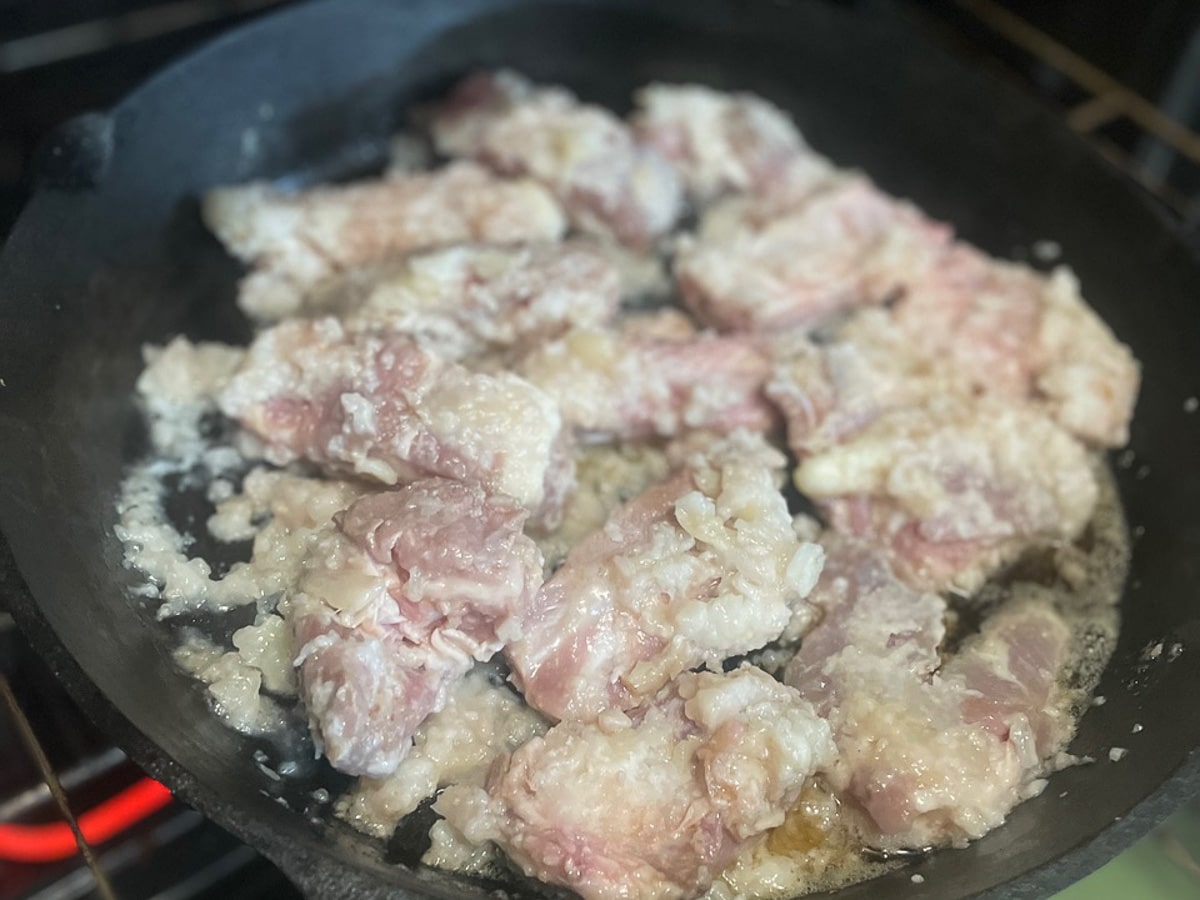
To make the ribs she cooked some rice and made a pasty mixture of rice, salt and garlic in a mortar and pestle. Then cut out each rib and coated them in the rice paste mixture and sealed them in a plastic bag.
“I let it sit on the counter for seven days, and just kind of watched it. When I finally opened the bag, I didn’t know what to expect. I mean, pork sitting on the counter for a few days at room temperature? But as soon as I smelled it I was like, ‘Oh my god, I might just eat one raw.’ They smelled a little sour and so good, not at all funky.
“But they looked a little weird, covered in this rice paste that was starting to break down a little bit. So I put them in a cast-iron skillet in the oven and roasted them for a little bit and then flipped them. I served them with cooked rice and slices of raw radish and cucumber. Each rib was potent and tasty. I would take a bit of rib. Eat a little rice. Take a bite of cucumber. All of those things together complemented each other as I chewed. It was a culinary experience I was not expecting. So good. So easy. I was like, ‘Wow, why would I not eat ribs like this all the time?’”

Belmont is hardly alone in being wary of fermented foods, which to the naked eye are barely distinguishable from rotted foods, which we are hardwired to avoid. She countered that if we really listen to those hard wires we might not be so hesitant.
“We have been conditioned to fear bacteria and expiration dates and food-borne illnesses,” she agreed.
But these ancient techniques were literally created, in part, as ways to preserve food safely without refrigeration. A big reason that she and co-organizer Angi Hronek created this event was to give people confidence to trust their guts and know what they are doing is safe.
“The more you do it the more your going to know what isn’t right, how it should and shouldn’t taste,” she said. “That’s why getting together as a group is so great. Sometimes shit goes south. Sometimes you have to dig south below the top layer. Sometimes the texture is slimy and your body won’t want to eat it. Nobody is going to sit down and eat a bowl of rotten food.”
In addition to the workshops, Belmont says she’s also really looking forward to the ferment swap table. “I’ve got some plums fermenting for the swap table. There’s usually lots of sourdough starters on the table and those are fun to swap because every starter is familiar but also so personal and unique to the person to whom it belongs.”
And the Bacteria Bash, she adds, which will go down following Katz’s keynote. Headlined by Lake Missoula Old Time, the Bash will include a called square dance. Bacterial-themed Halloween costumes are encouraged.