This story was originally published by Montana Free Press at montanafreepress.org.
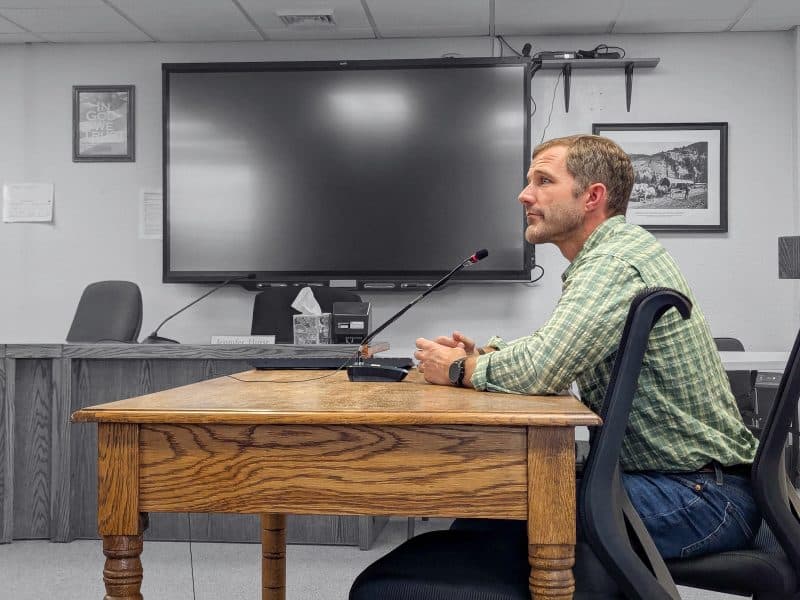
Since joining the Missoula Fire Department in 2008, Andy Drobeck has seen the city and the number of emergency calls grow without a corresponding increase in the number of firefighters.
“There are many times per day when nearly every engine is out, running from one call to the next,” said Drobeck, the incoming president of the local firefighters union. “We like being busy, but we’re seeing the need to get to calls quicker, responding from the station.”
During a Wednesday committee meeting, Drobeck urged the Missoula City Council to support a levy proposal to help fund additional firefighters and improve response times.
“Public safety is not the can you want to be kicking down the road, and we need to be more forward-looking,” he said. “We can’t let it be out of our minds … that Missoula is growing and the fire department has to grow with it.”
At the end of the meeting, the council unanimously voted to move forward with putting a 34-mill fire and emergency services levy on the June 4 primary ballot. The council will vote on its final approval on March 11. The levy would raise $7 million in the first year, with the owner of a $300,000 home paying $138 and the owner of a $600,000 home paying $276.
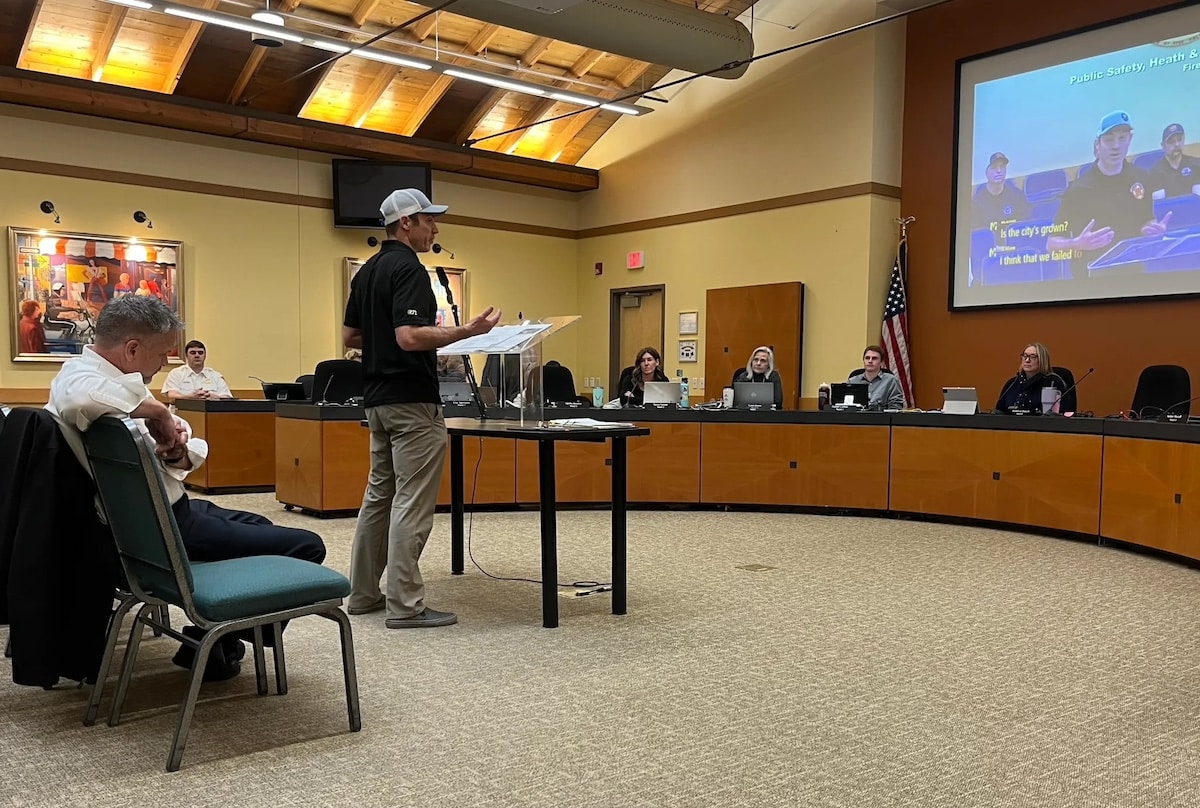
“For the community, what it comes down to is response times save lives,” said council member Stacie Anderson. “I know this is not a good time to go and ask for folks to basically impose additional taxes on themselves, but you have to ask, what is it worth?”
The revenue would pay for 20 new firefighters, a sixth fire station, help keep firefighter wages competitive and replace aging equipment, said Missoula Fire Chief Gordy Hughes. It would also provide permanent funding for the mobile support team, which responds to behavioral health-related 911 calls.
The levy was originally set to appear on the ballot last November, but the council voted to hold off, citing uncertainty and apprehension around upcoming property tax bills from the state. However, the fire department’s need for additional funding hasn’t changed in the last few months and call volumes continue to increase, Hughes told Montana Free Press.
“We’re probably in more of a condition now that speaks to the need for additional staffing and resources to meet the growing call volume and to not falter anymore in our response times,” he said.
Missoula’s population increase of about 15 percent from 2010 to 2022, expanded city limits, new development, increased traffic and an aging population all contribute to the call volume nearly doubling in the last decade, Hughes told the council on Wednesday.
The fire department’s average response time to medical emergencies is about two minutes and 30 seconds longer than the six-minute industry standard, Hughes said. At eight minutes and 39 seconds, the department takes about two minutes and 20 seconds longer to respond to structure fires than the standard, he said.
“We’re failing by two minutes, and two minutes in the emergency world can mean a lot,” Hughes said.
Simultaneous calls about 50 percent of the time mean firefighters often respond from other districts, further increasing response time, Hughes said. An emergency requiring multiple engines, like a large structure fire, could leave just one station covering the whole city, he said.
“We can’t let it be out of our minds … that Missoula is growing and the fire department has to grow with it.”
Taking too long to arrive at a call increases the risk of injury, death or property loss, Hughes said. Longer response times could also affect the Missoula Fire Department’s Insurance Services Office rating, meaning homeowners’ insurance premiums could go up, he said.
If the levy passes, the department would initially hire and train 10 firefighters and bring on the rest after about six months, Hughes said. The department would organize a new three-person engine company to likely operate out of an existing station in one of the busier districts north of the Clark Fork River, he said. Building a sixth fire station will take time, with a year-long location study just beginning, Hughes said.
For the mobile support team, the levy would provide a permanent source of funding, program stability and a chance to expand to better meet the need for services, said John Petroff, team operations manager.
Since launching nearly three years ago, the mobile support team, a Missoula Fire Department and Partnership Health Center collaboration, has been funded by grants and federal pandemic relief money that is no longer available, Petroff said. The fire department pays for the team’s vans and Petroff’s salary, and altogether, the program’s annual expenses are nearly $1.4 million, he said in September.
The program will receive some Medicaid reimbursement money from the state, but it’s unclear how much, Petroff said. The team won’t bill clients or their insurance directly to avoid creating barriers to care, he said.
Although a state crisis diversion grant ended in December, Missoula is set to receive new funding for the mobile support team from the $300 million lawmakers set aside to overhaul the state’s mental health system, Petroff said.
The Behavioral Health System for Future Generations Commission allocated $7.5 million of the funds set aside by House Bill 872 for mobile crisis response and crisis receiving centers. While the state is still finalizing the grants, Missoula expects to receive about $1.1 million per year through 2025, Petroff said.
“It’s exciting,” Hughes said. “We’re trying to do the best we can with the resources available money-wise to sustain this great resource for the community.”
The levy revenue is important to ensure the program’s future, as the state funding expires and other are grants not guaranteed, Petroff said.
“We need backing to say the community supports what this program offers, and we’re going to do anything in our ability to get funding to offset that,” he said.
With about three months until the June election, Drobeck and the fire union plan to raise awareness and educate the public about the levy, he said.
“I am confident putting forth a levy to the citizens that’s fair and honest and has integrity, that the public will pass that levy because they understand the need too,” Drobeck told the council.