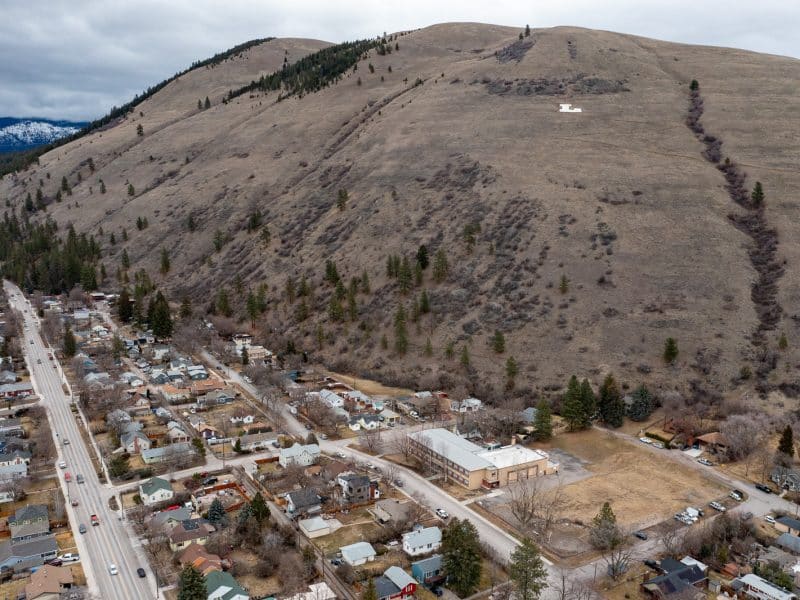
For decades, Missoula’s winter months brought snowbanks and ice storms. In one of the warmest Montana winters on record, we’ve had nothing but withered lawns and rain. The river runs dark without ice. The hillsides stand blotched-brown and naked, trees swaying feebly in the wind. In town, life stretches into an infinite shoulder season. But high above the treeline, across the granite cliffs and high peaks of the Bitterroot Mountains, snow glitters like sugar.
We escape by driving south on Highway 93, past shopping centers and casinos, gas stations and picket fences, through the outskirts where the ground stays stubbornly bare. The road begins to wind, clinging to the foothills as the Bitterroot Valley unfolds, tracing the contours of the river along the base of the range before beginning its gradual climb into the mountains. Here, the trees thicken. Snow gathers along the berms. The road, suddenly icy, narrows. And then, out of nowhere, Lost Trail Ski Area appears.
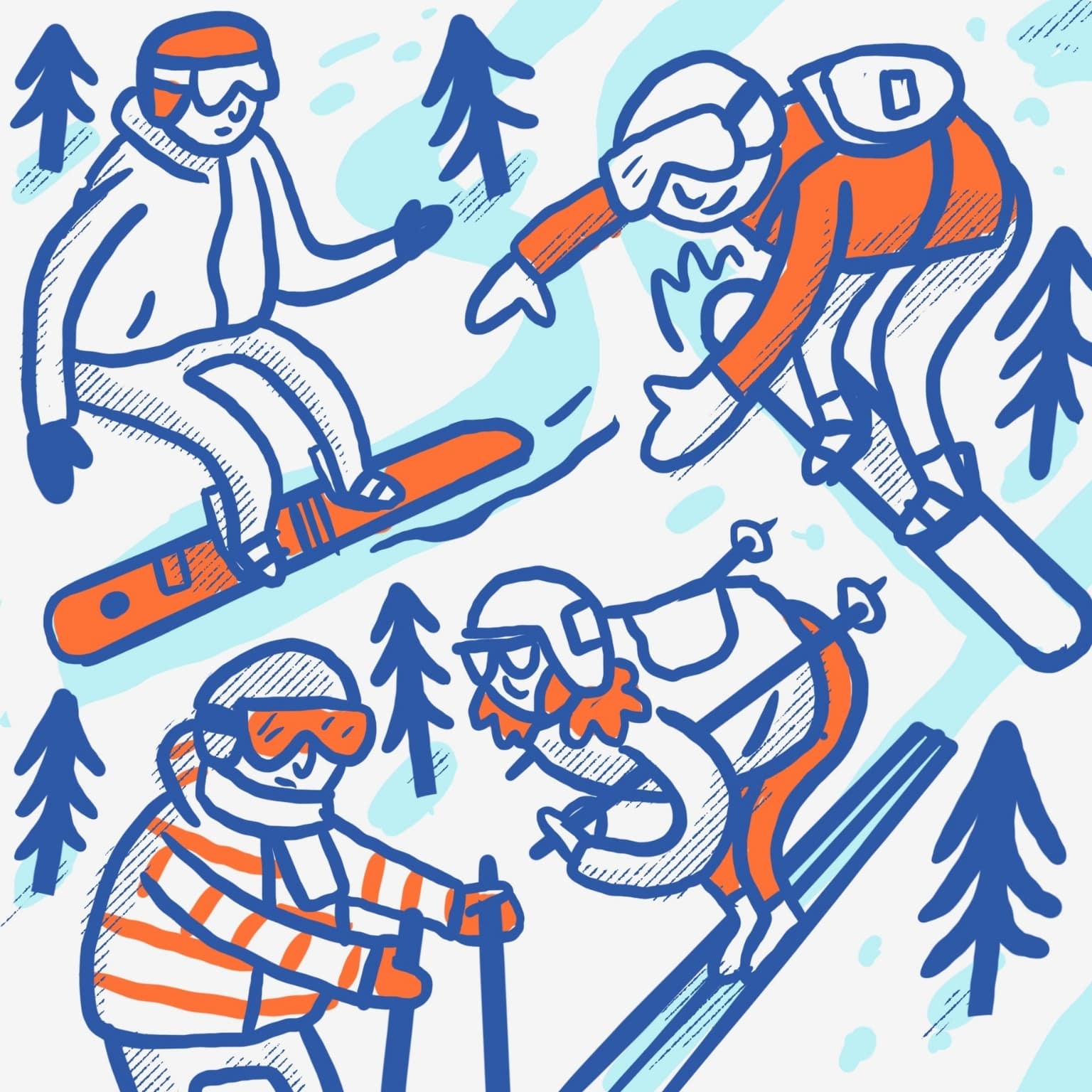
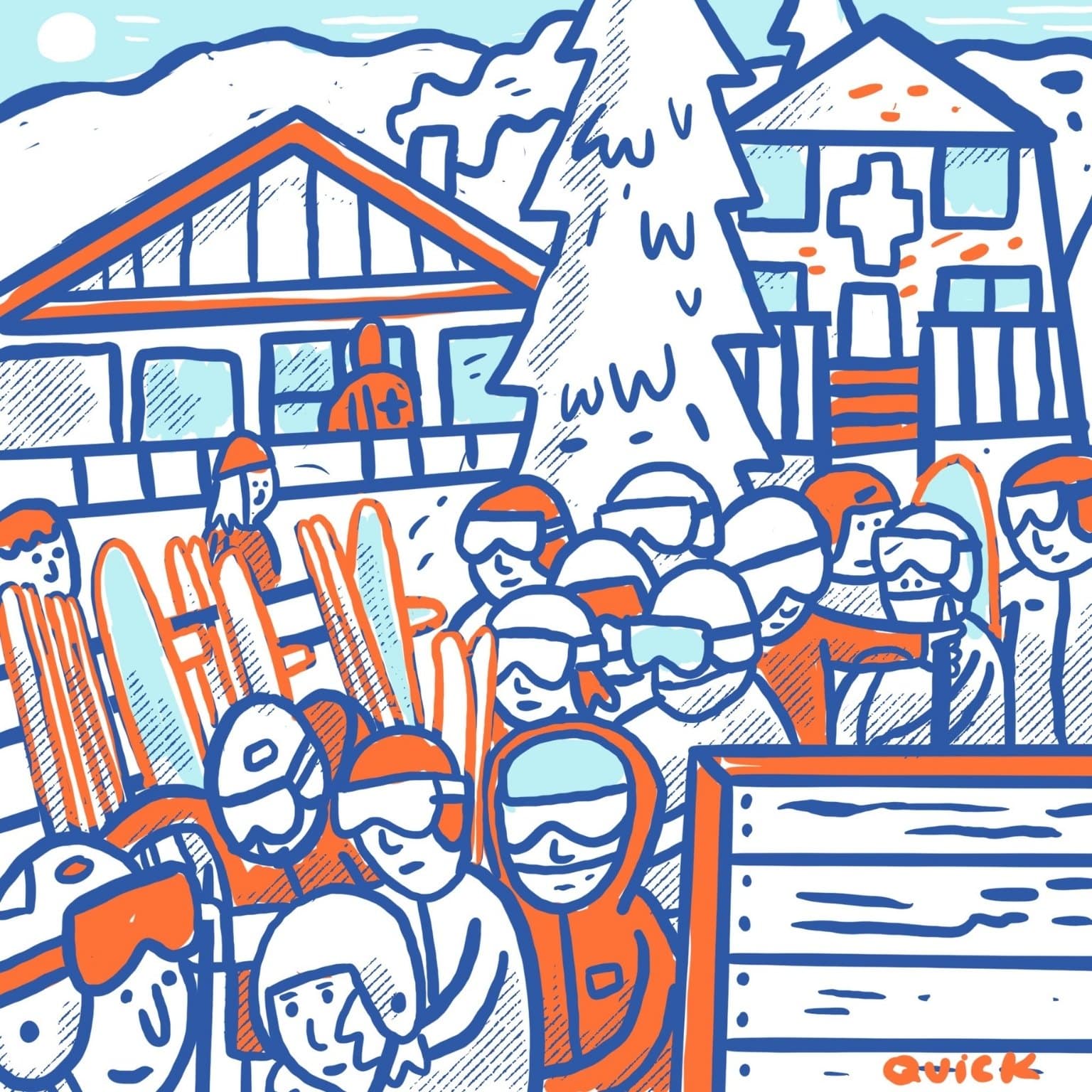
Hatchbacks and pickups, stamped with stickers and licked with mud, fill the parking lot. The wood-paneled lodge is already buzzing, brightly dressed skiers clattering into the lift line, baggy-panted snowboarders tuning up their bindings. Morning mist shimmers through the winter air as shredders greet one another, finish sipping their coffee and readjust their gear.
In a few minutes, they will disperse across the mountainside, then burst from the peak like ants, tails of snow billowing behind them.
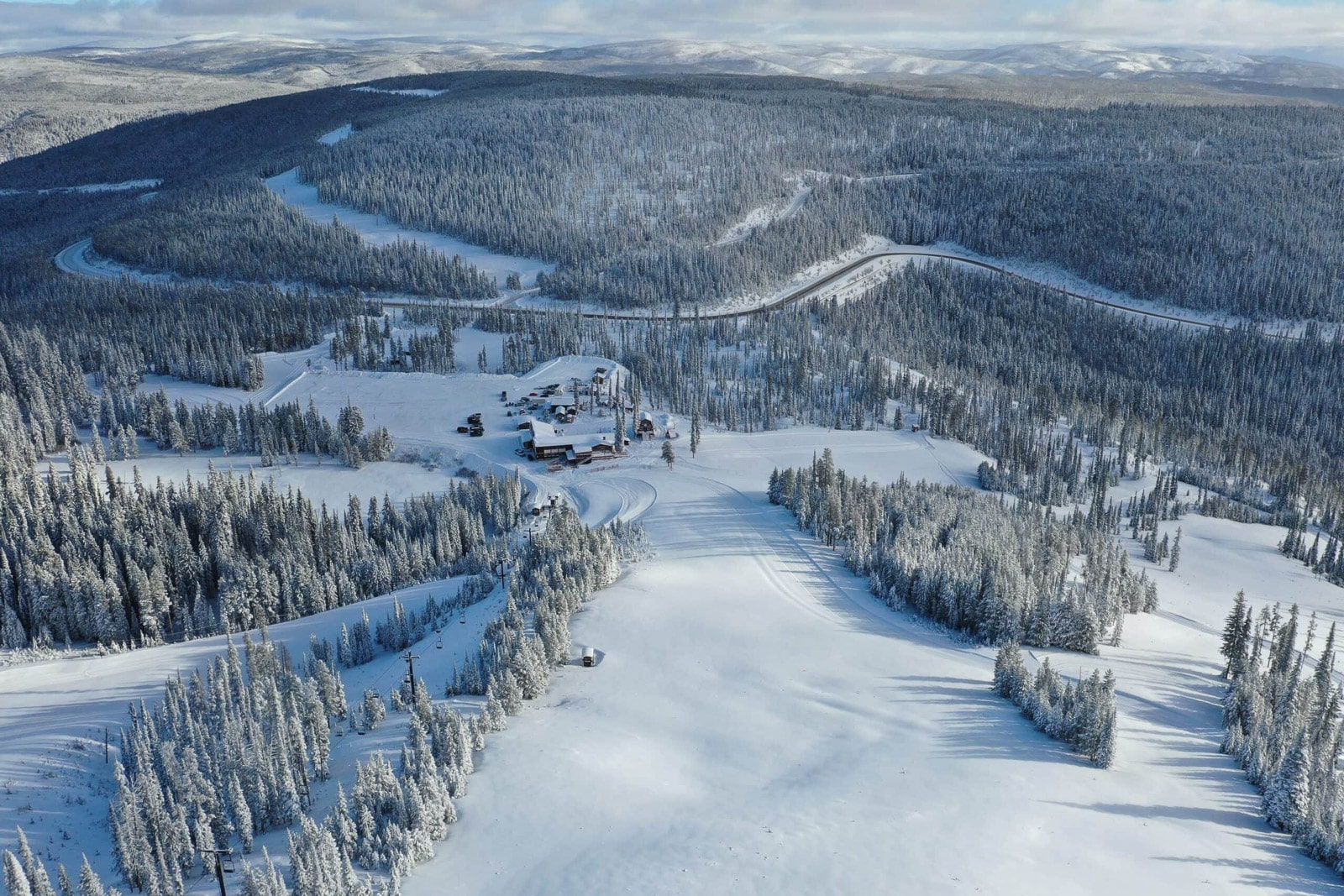
Nearly 30 miles from the nearest town, Lost Trail Powder Mountain sits on the Montana-Idaho line, in the kind of landscape where things persist because no one has found a profitable way to replace them yet. Bought by Bill Grasser in 1967, the hill has remained largely unchanged, an unburiable time capsule burrowed into the heart of the Bitterroots. Powered by generators, Lost Trail operates four days a week, its battered lifts shuttling skiers into its peaks. There’s no village at the base, no branded storefronts. In an industry that has come to demand sleekness, convenience and comfort, Lost Trail has stood firm as a local haven: small, eccentric and independent.
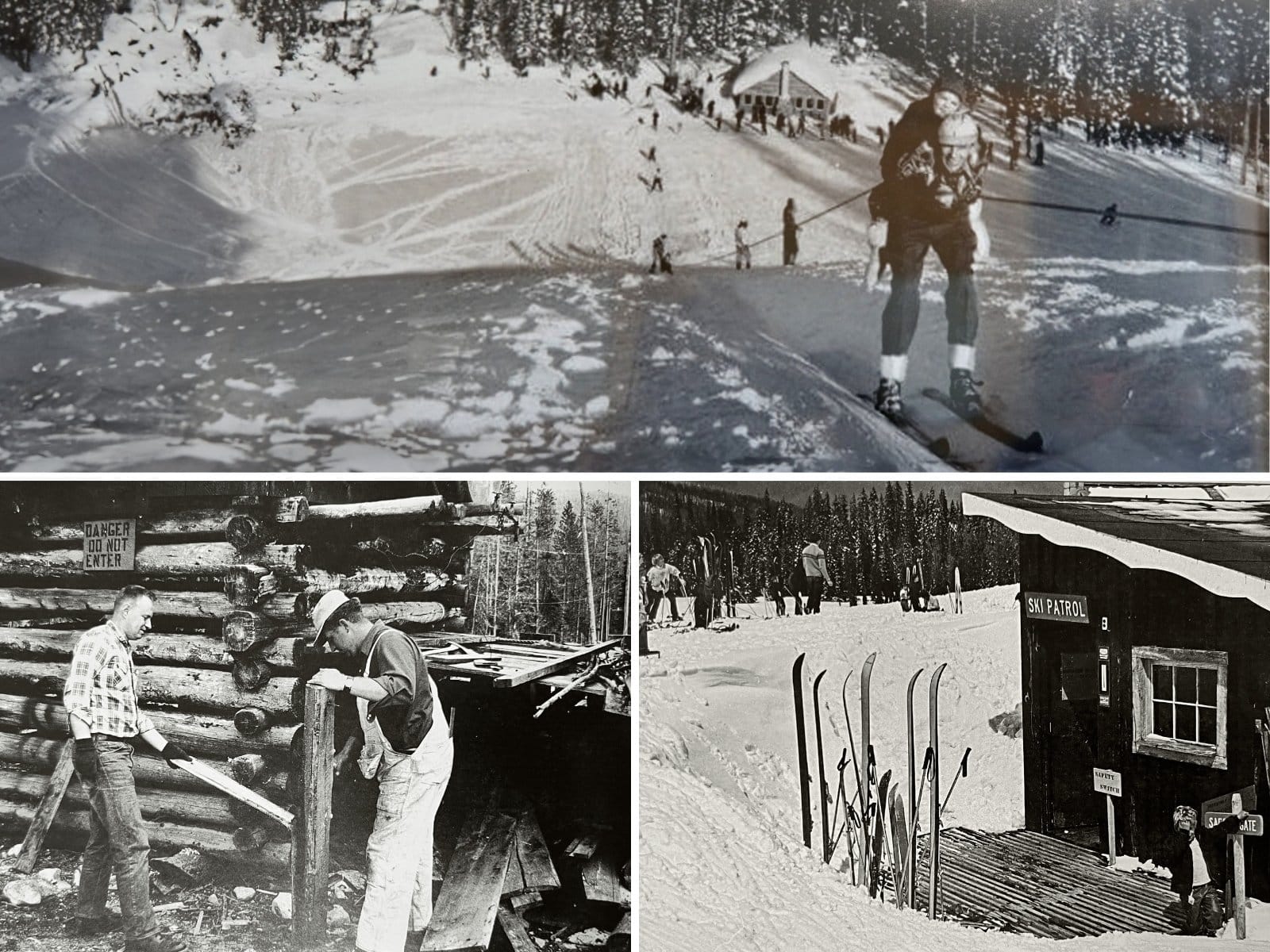
Decades before it became Lost Trail, the ski area was a club, volunteers running the two tow ropes that made up the hill.
The club ran for 30 years, but it was unpredictable. Grasser, a log purchaser at Darby Lumber Company, would make the drive up to the hill with his buddy, Chuck Shuland. With no internet or cell phones, they’d often get all the way up there, only to find it closed.
He and Shuland thought to themselves, as Bill’s son, Scott Grasser, puts it: “Crap, I think we can do a better job than this.”
So they gathered the funds together and purchased the hill.
Bill planned out 50 of the now 69 runs that span Lost Trail’s 1,800 acres, assembling – by hand – two chairlifts to reach the top of the runs.
Now, the same two lifts still run, alongside three more, their steel frames littered with stickers. It’s like a conversation that began decades ago, generations pressing their declarations into steel. Some argue politics: “Trump skis in jeans!” Others promote local ski clubs. There’s a sticker repping local nonprofit Girls on Shred, its iconic pink lettering and tiger insignia faded by the wind. “Montana is for hot dog lovers,” reads another.
Bill’s fingerprints are all over Lost Trail. The ski school he created still operates today, with buses chock-full of children piling out into the parking lot. The kids move around the mountain in clusters — the beginners going one way and the more advanced group going another — following their ski instructors like a waddling of awkward ducks.
At lunch time, the children overrun the only lodge, huddling around the fire with hot chocolate-stained mouths and rosy cheeks. In the lunch line, they choose from a special menu of grilled cheese and chicken fingers, chili and cheeseburgers, each for $12.
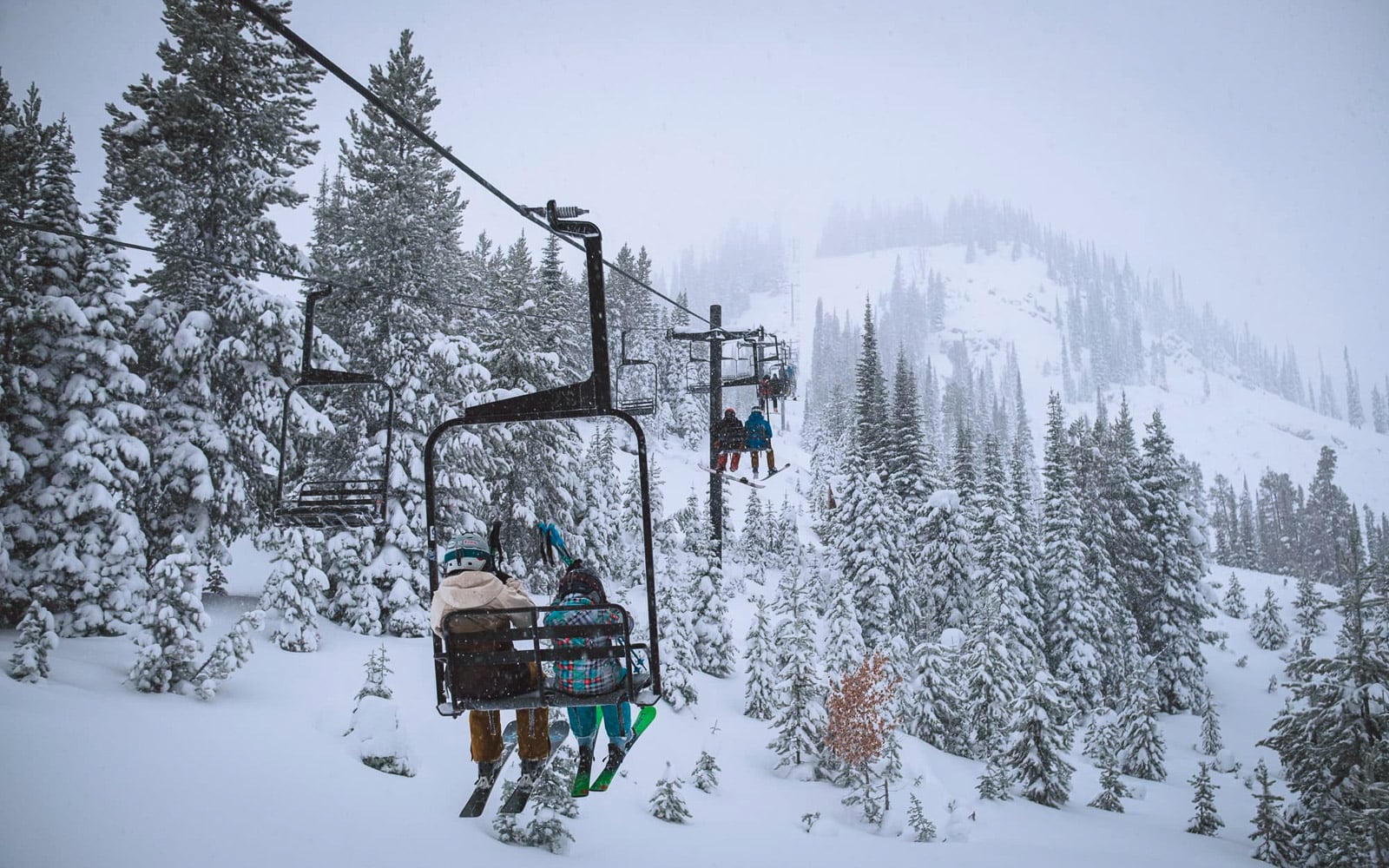
One 11-year-old, boarding the lift with determination, tightly grips his poles and declares his favorite thing about skiing is the “black diamond runs.” He’s one of the children from Corvallis who boards the bus every Friday for ski school. After two years of bussing up the hill and ripping black diamonds? He’s in the harder group.
Scott, who took over Lost Trail from his dad with his sister, Judy, also started skiing when he was young, at age 7, coming up to the mountain in the late ’80s. He quickly fell in love with the sport, how no two runs curved the same way, how carving down the hill each season became a study in unbound motion.
Spending time on the mountain, Scott also got a firsthand view of his dad’s leadership: his drive to innovate, his knack for enthralling guests.
Eventually, Scott and Judy would grow up. As Bill aged out, they aged in.
Their whole lives Bill’s motto was, “If you are resting, you are rotting,” which meant he was never one to slow down and explain how things worked. He just expected them to learn by doing the work. But in that way, he did teach them some basic tenets, ones that Scott carries into how he leads the mountain today.
The first: a strong work ethic. For Scott, that means working with your hands. Working in the dirt. Knowing every project on the hill. Never making someone do a job he wouldn’t do himself.
The second tenet? Always think about the middle-aged moms first. If the mom’s not happy, the kids aren’t happy. And you know the rest: happy wife, happy life.
Since taking over, Scott says he’s come to embrace the stress of the season, the bustle of the lodge, the capital-intensive nature of running a ski hill. It was the chaos that had become less attractive to Bill as he aged, so he stepped back. But he’d still spend his days up at Lost Trail, hanging out in the small yurt, sitting by the wood stove telling stories and reminiscing with friends. He did that as long as he could, Scott says.
Bill Grasser died in 2015 at his home in Sula Basin. From his window, he could see Lost Trail.
Lost Trail is a place where people play. Characters appear when the snow falls, then shed their ski gear and fade into spring. Take the oddball crew of lift operators. Lifties at Chair 1 write riddles on a whiteboard for guests to puzzle through as they stand in line. A recent stumper: “I speak without a mouth and hear without ears. What am I?”
When it’s your turn, they ask about your last run, what you think of the songs they’re playing today, how work is going.
One operator stages small figurines on a snowbank outside his control booth. As the lift glides by, you might see a gnome riding a dinosaur into battle, charging across a field of snow. The next day, a T. rex catches an alligator in its mouth.
At the top of the mountain works liftie KJ, better known by his alter ego, “the fox in the box.” He’s worked at the hill for over a decade, weathering the changes along the tow rope in a shack no bigger than an outhouse. Incense drifts from the box window. A small green sign on the siding reads “Fight yourself!”
Over the years, the fox has made the space his own. He hangs a paisley tapestry over the small window and blasts Gordon Lightfoot’s “The Wreck of the Edmund Fitzgerald” as skiers glide by.
He rarely leaves the shack. But on the rare occasion someone on the tow rope needs help, he appears, his purple fuzzy ears attached to his helmet, a matching tail clipped to his snowpants. After he’s done, with a slight waddle, he disappears into his foxhole shack again, one hand emerging from behind the tapestry, waving as you ride by.
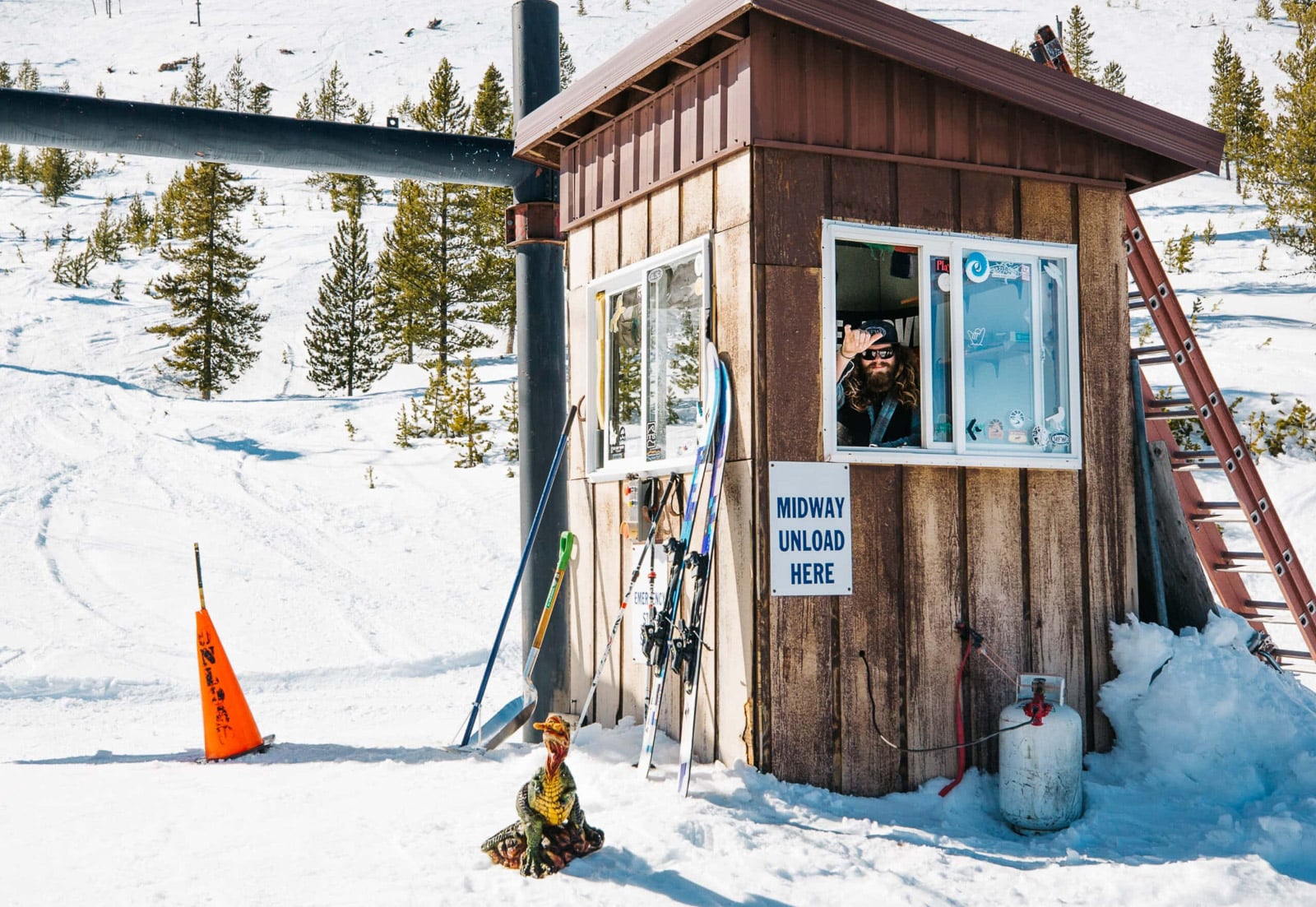
At the helm of the misfit crew is Ian Harmon, Lost Trail’s lift operations supervisor. Four years ago, he took a job on the bunny hill. At the time, he couldn’t ski. The draw for him was simple: He wanted to be outdoors. On a mountain. This mountain. He tackled the hill one year at a time, learning to operate the lifts and skiing the slopes until Lost Trail began to feel more like a home, even if home meant a cramped daily carpool in his five-seater truck.
What keeps him here isn’t just the job, it’s that he still finds elements of this place that surprise him. The mountain holds secrets: hidden corridors, smoke shacks buried deep into the hillside, unmarked runs that only the oldheads know how to find.
At Lost Trail, you don’t unlock perks for swiping a premium pass. You get them for showing up and standing in line, even when the lines are slow. The perks are in the knowing that comes from putting in time. Knowing the yurt sells three-cheese Costco chicken bakes. Making friends with the old guys who will eventually take you places the map won’t. By doing the drive on a Thursday, when you know the runs will be untouched.
Elsewhere, skiing’s gone corporate — logos printed clean across high-speed, six-person lifts. Drop $1,000 or so on the Epic or Ikon destination passes and you’ve unlocked access to many of the top resorts worldwide. Swipe once and you’re in.
At Lost Trail, your pass is scanned by to someone who knows your name from your ski jacket alone.
The Grassers have raised adult day passes a little — they have to. Fuel costs more. Insurance costs more. There’s no nest egg, no guarantee of enough snow to make it through each year. But kids’ tickets stay steady. Season passes, currently $500 for the early bird sales, are still within reach for those who have the spare cash.
The Grassers know they’re competing with bigger resorts. Sometimes, Scott says, Lost Trail feels like a feeder hill to these behemoth mountains. People learn the basics here before springing off to Bridger Bowl or Big Sky to teach skiing or operate the lifts.
The mountain holds secrets: hidden corridors, smoke shacks buried deep into the hillside, unmarked runs that only the oldheads know how to find.
The kids who ski Lost Trail grow up and leave. Search for new terrain. But then they turn 25 and they remember. They return to this mountain, once again a local.
And the locals do come here, dressed in new gear and old gear, in vintage striped suits from the ’90s, even in jeans. Leaning on poles, unstrapping a board, their helmets and jackets blending against the mountain’s blue hues.
One 40-year-old beer distributor from Butte boards the lift, whooping as he pulls a Bud Light from his pack. His patterned sunglasses glint in the sun. He and his three buddies are skiing every hill in Montana.
“Yeah, I work,” he says, sipping his drink, “but I’m here to find the good times in between.”
At 7,000 feet, the world expands. Frosted trees scatter across the landscape. The mountains stretch as far as the eye can see, the ranges crisscross down the pass. Runs shift from tamed to untamed in a single turn so that you can chisel out a tight, groomed line, then chop up bumpy moguls, fresh snow spraying your face.
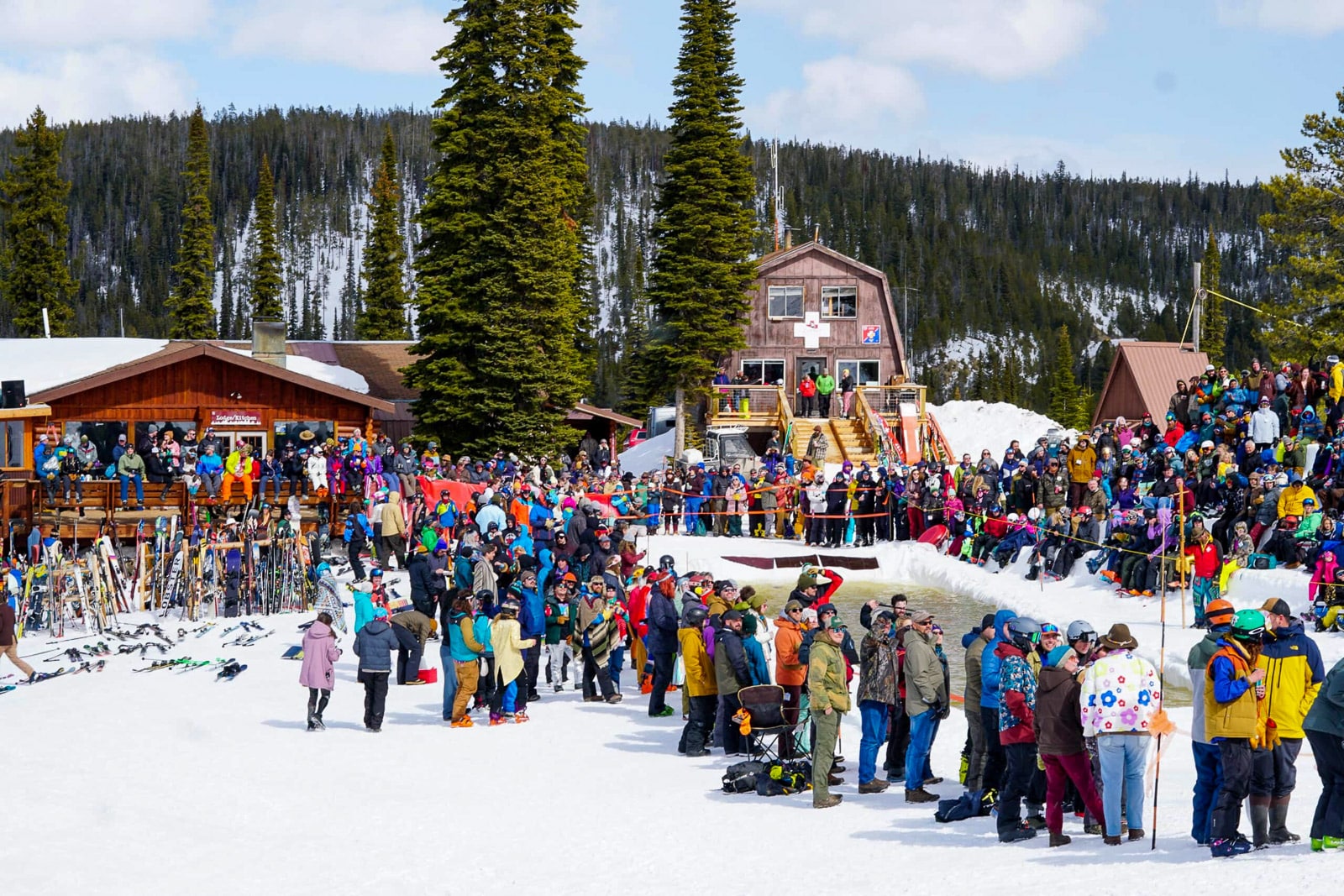
When the season ends, Skiesta begins. For the past 26 years, skiers have gathered in late March. The ski school grills burgers at the top of Chair 2. Then kids line up for the pond skim. The weather can be warm in March and it might become warmer every year from now on. Jackets come off. Tank tops go on. Sunglasses replace the goggles.
In early afternoon, DJs blast house music from the deck of the lodge. Crowds gather at the base of the slope to watch the bravest of us skim across a manmade pool of cool, thigh-deep water. At the top, skiers and snowboarders ready themselves, decked in bikini tops and glittered cheeks, flamingo swim rings, tutus and rainbow leg warmers, leis and cowboy hats. There are a couple of Minions. A handful of Batmen. As a bass-boosted version of Cascada’s “Everytime We Touch” thunders across the hill, each of them hurls themselves down the slope to the sound of the crowd cheering before skimming across the pond with speed, pushing to reach the other side before the water drags them down, small waves spilling over the sides.

Those watching from the lift clack their poles together in applause. Soggy skiers wade out of the pool, holding their gear above their heads like trophies.
In the aftermath, the food vendors who, for this occasion, haul their trucks up from the surrounding valleys into the muddy parking lot, dish out woodfired pizza and angus burgers, barbecue mac and cheese and crab tail rolls. As evening nears, a bluegrass swing band plays the makeshift stage, bass and banjo echo through the valley while dirtbags dance in heavy ski boots and thermal underwear.
It’s the end of another season. As the sun sets and the music unplugs, the crowd disperses to the parking lot and makes their way back to the valleys, where they will tuck away this part of themselves – the one that belongs to this mountain — until next ski season.
Leaving the parking lot, the slopes disappear behind a cover of trees. The roads get wider and straighter, the trees thinner. The ground shifts from porcelain to melting shoulders to muddy stiff grass.
At the end of the season, there’s always some grief. About change. About not knowing if the mountain will be the same when you return. Eight months away from something you love can feel like a lifetime.
You don’t control the snowfall. Or the market. You don’t control whether a place will hold its ground against every outside force. In the end, maybe loving a place is leaving it each spring and promising to return no matter what.
But a warmth spreads from the car heater down into the tips of your toes. The windows fog up and you turn on the defrost. The car winds further from the valley. In the rearview mirror, the mountain peaks linger, until finally, they disappear.
Editor’s note: This story has been updated to correct details including a staff member’s name and food prices, and to clarify language describing the ski area’s lift access system. Additionally, a sentence about terrain access has been removed because it could have been interpreted to mean that skiers may venture beyond the ski area’s boundaries.