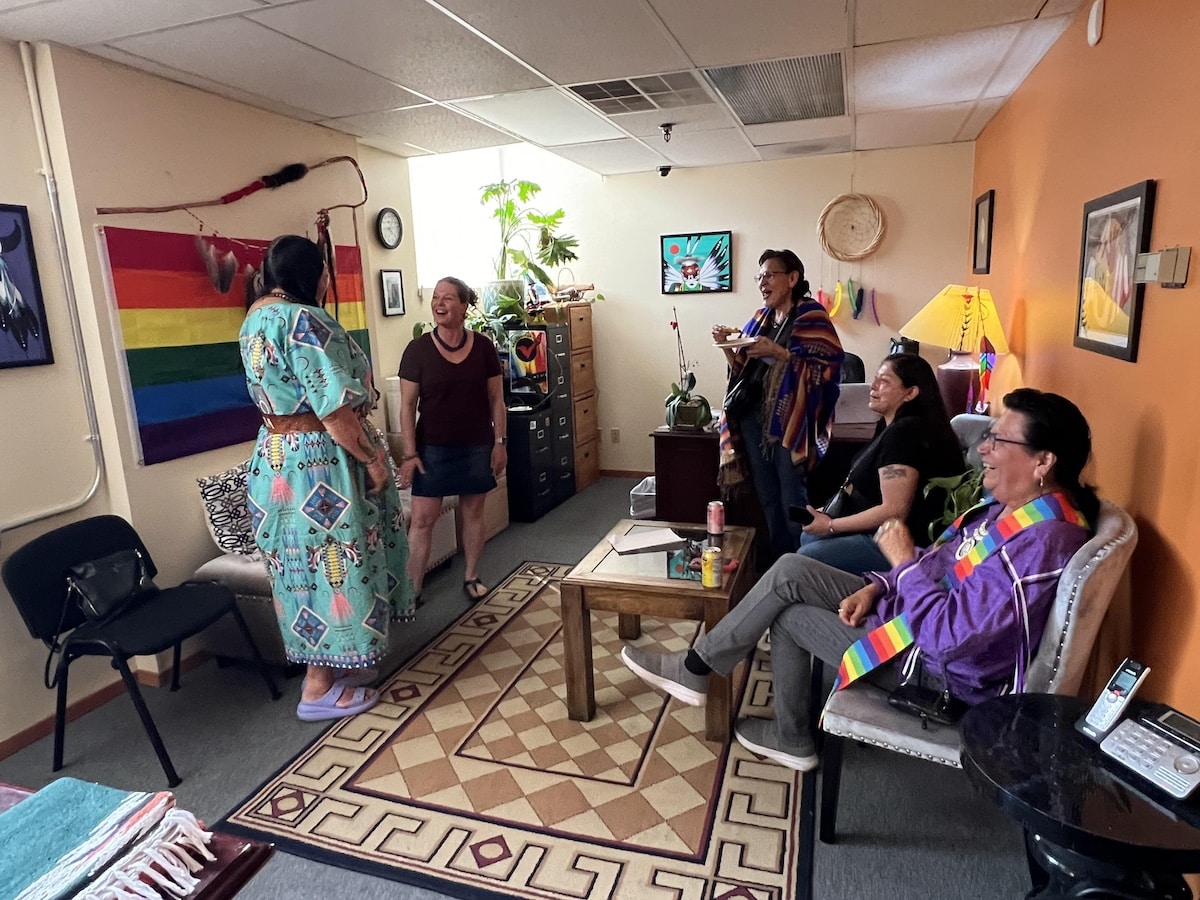
Open the door of the Western Montana LGBTQ+ Community Center, and past the welcoming circle of couches and armchairs, is a prominent wall displaying the Missoula organization’s history. Framed news articles featuring The Center hang beside a painting of Missoula Rep. Zooey Zephyr holding a transgender pride flag and snippets of the organization’s former publication, Outspoken.
After nearly 25 years of providing a safe space and resources for Missoula’s LGBTQ+ community, moving to the new, larger location in December is proving to be the next major step for the organization, according to The Center’s leadership.
“It already feels just like a whole new world almost for us—in the best way,” said Karen Berg-DiGangi, co-chair of The Center’s board of directors. “Our programming has skyrocketed over the past six months.”
The Center helps connect people with resources such as healthcare and legal services, puts on events, including Missoula Pride, and hosts several community groups.
“What’s so pleasing to see is our groups are thriving,” Executive Director Andy Nelson said. “Basically every night of the calendar is full with a group or event.”
The Center’s new location at 500 N. Higgins Ave. also houses the Gay Health Task Force, which provides free confidential STD screenings, and the Montana Two Spirit Society, an outreach and advocacy organization for Two Spirit and Native LGBTQ+ communities. Along with helping pay rent, housing all three organizations together provides services for the LGBTQ+ community under one roof and allows the groups to collaborate, Nelson said.
Throughout the day on June 1, about 100 community members filtered through the new location during its ribbon-cutting celebration.
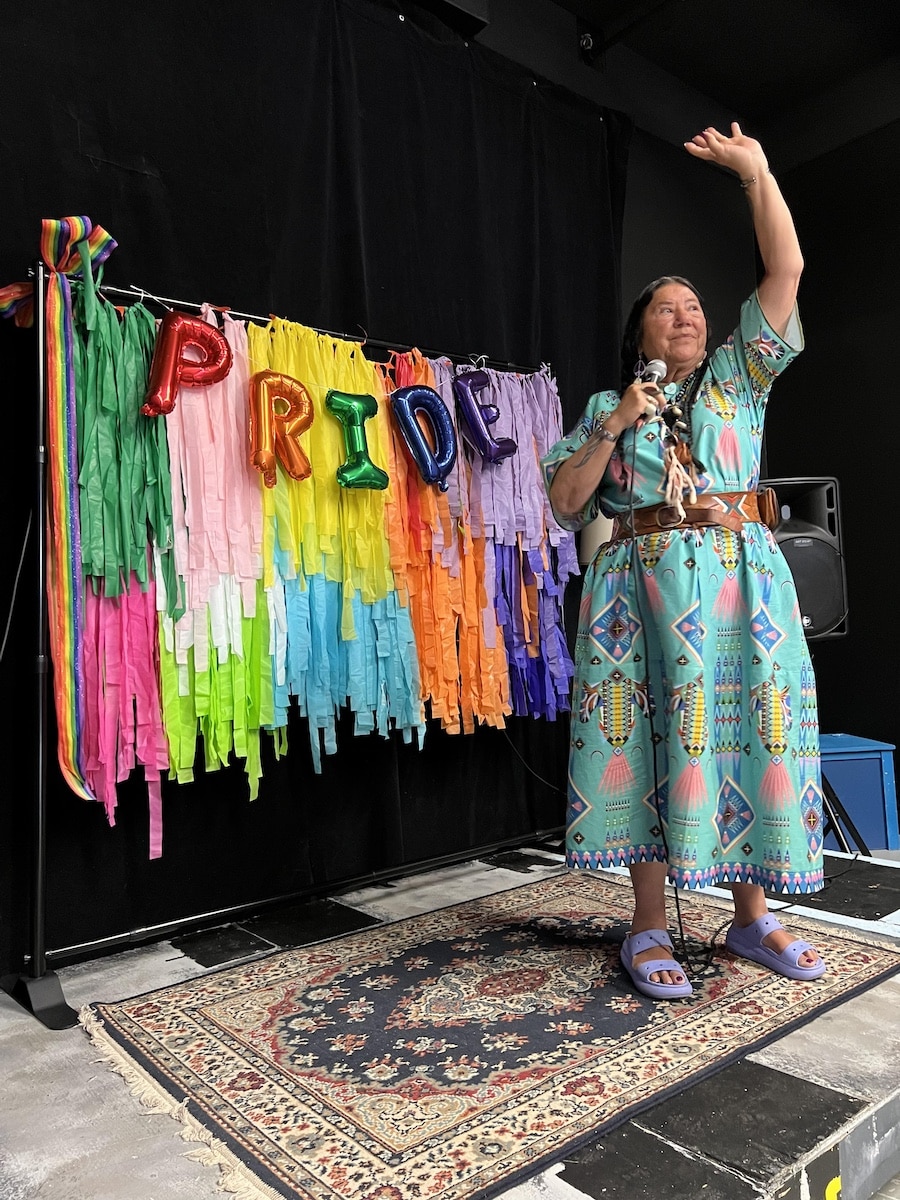
“There were all kinds of folks from around Missoula, not just the queer and trans community, but all kinds of folks who came and supported us,” Nelson said. “It was a beautiful way to kick off Pride month.”
The Center—which was founded in the late 1990s—was located in the old J.C. Penney building on Higgins Avenue for the last 20 years, Nelson said.
The organization’s leadership was searching for a new, larger and more affordable location after a rent increase a couple years ago. The office at 127 N. Higgins was great for a time, Nelson said, but was difficult for people to find because it didn’t have a street front.
Even Nelson couldn’t find The Center the first time he went looking for it after coming out in college.
Since opening its doors in the new location in January, The Center has seen foot traffic increase from a daily average of three to five people up to 20 to 25 people.
“It’s basically exactly what we wanted,” Nelson said. “It’s increased foot traffic, has more visibility. … It’s still right downtown.”
A new awning sign above the main entrance on Spruce Street around the corner from Higgins Avenue should help draw even more visitors, said Miles Shuck, co-chair of The Center’s board of directors. The location includes dedicated office spaces for staff, a kitchen area and a garage space for events and the community groups that meet weekly, biweekly or monthly.
“It’s really expanded our ability to provide services and groups on a bigger scale because we have space to do it,” Shuck said.
That added capacity has already led to more people expressing interest in starting new groups, according to Nelson. In the last six years, he said, the number of groups meeting regularly has increased from just the men’s group to nine groups for a variety of identities, with participation in each also growing. While numbers fluctuate, usually around 10 to 20 people attend each group meeting, he said.
“It’s just good to see,” Nelson said. “All groups are open to everybody. … But it’s important to have groups specific to specific identities for people to feel comfortable coming to that space and sharing an experience or asking questions.”
The new location also has more room for new and existing programs to grow.
The Center’s open library, which has been around since the organization’s beginning, has about 3,000 LGBTQ+ titles that fit more comfortably in their new home.
In February, The Center began a free food program, handing out donated produce Wednesday through Friday. The program is open to everyone and has contributed to the increase in foot traffic, Nelson said. The organization plans to start a dry pantry with non-perishable foods.
While Missoula has other excellent options for food assistance, Nelson said it’s great to provide an additional option where LGBTQ+ people can feel comfortable.
The new location also made room for a free clothing closet, which came about after holding successful and popular clothing swaps.
“Folks saw a need for free clothing or gender-affirming clothing, especially for trans or nonbinary people who may be uncomfortable to go to the department store,” Nelson said.
People can try on the clothes at The Center and take home what they want. Those interested in donating items are asked to call ahead of time.
The new location includes a multipurpose space that Nelson hopes to use as a venue as well as a gathering room,. After Pride is over, he plans to open up the space during Saturday markets, coinciding with the Missoula Farmers’ Market just down the block.
“For the next year, my biggest goal is to really get settled into this new place,” Nelson said. “The move itself, while exciting and the best thing the organization has done, has been a challenge.”
The Center’s ribbon cutting kicked off a busy Pride month for the organization. Several events lead up to the main Pride celebration June 14 through 16, which includes educational sessions, lectures, a parade and street party downtown. A full schedule of events is available on the Missoula Pride website.
Organizers worked to include something for everybody, whether that’s a low-stimulation zone at the Zootown Arts Community Center, a sober barbecue and dance party, an education panel or live music show, according to Berg-DiGangi.
She said it’s exciting to see Pride follow the same trajectory of growth as The Center. She just hopes it doesn’t rain like last year.
“Even if it does, it’s clear it can’t rain on the queer parade for Missoula, because people still come out in droves,” she said. “I hope that continues to be the case.”
While Missoula has hosted Pride events in the past, this year is the third consecutive Missoula Pride put on by The Center.
“It’s a beast,” Nelson said. “We love it, but it’s challenging.”
Organizers take nine to 10 months to plan Pride and put it on with the help of 150 to 200 volunteers.
“It’s evolved into something bigger and more beautiful than I ever thought it could be because of the community of Missoula that supports it so much,” he said.
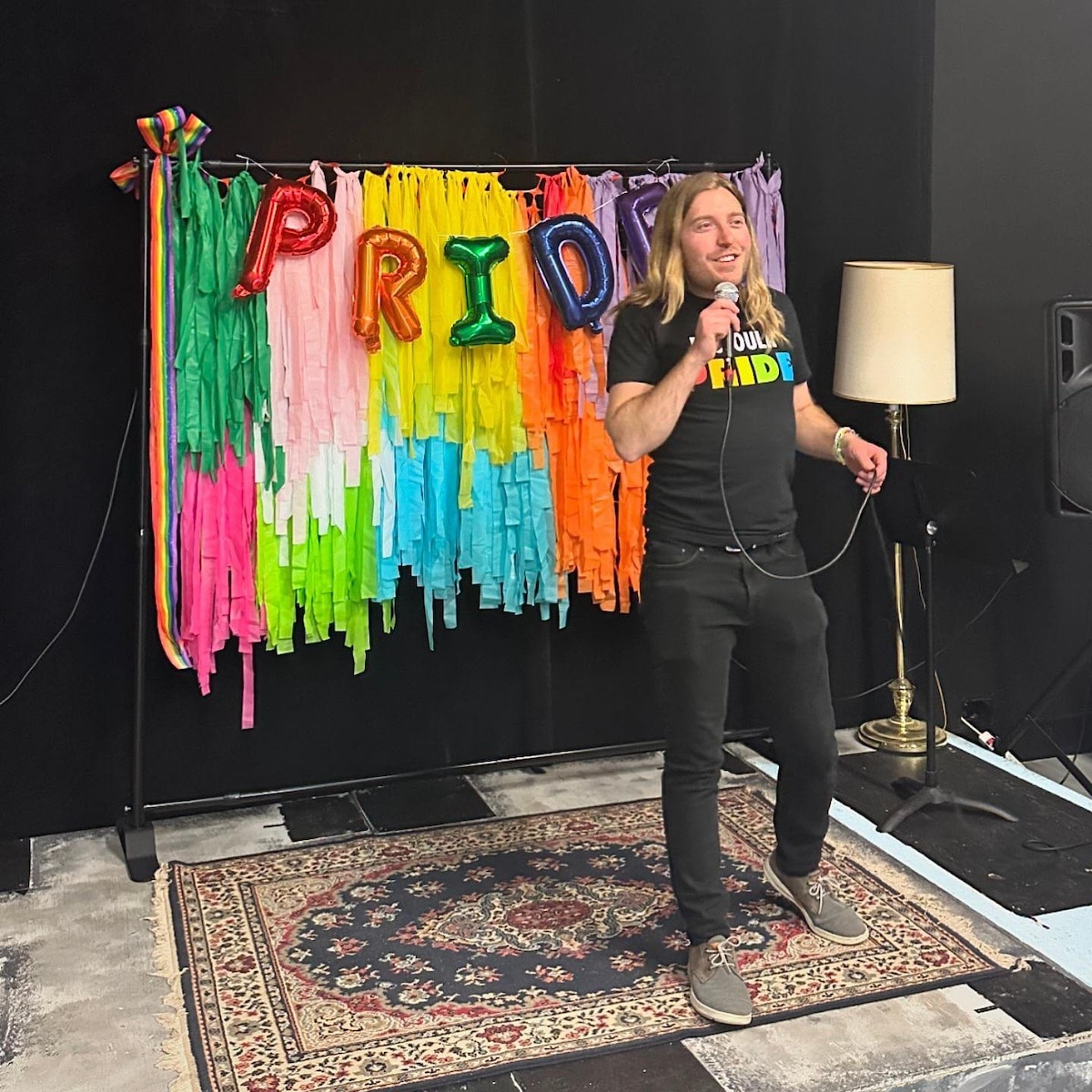
The “daunting and scary” political climate and legislation passed by the Montana Legislature in recent years make the visibility and support from Pride even more impactful, he added.
This year’s theme is “Pride is Prevention,” conveying that Pride as a space of affirmation, love and support is lifesaving. For example, Nelson said, if a trans teenager attends the event and sees people like them, it might prevent them from taking their own life.
LGBTQ+ youth are more than four times more likely to attempt suicide than their peers, according to The Trevor Project. A 2023 survey on the mental health of LGBTQ+ youth found 41 percent seriously considered attempting suicide in the past year, including about half of transgender and nonbinary youth, according to the organziation.
In 2022, Montana had the highest rate of suicide mortality in the country, according to the Centers for Disease Control and Prevention.
Missoula Pride organizers chose this year’s theme to shine a light on the higher suicide risk among the state’s LGBTQ+ residents.
Pride is a time for Montana’s LGBTQ community to “make a point to show we’re here, we’re queer, and we’re not going anywhere,” Nelson said. And It’s an opportunity to spread the word about people and organizations that provide support and resources.
Shuck, board co-chair, said Pride builds community and reinforces “the joy that it is to be queer.”
“It’s not all sadness and bad things all the time,” he said. “There’s a lot of queer joy to be had, and it’s on full display at Pride.”
It’s important to have The Center as a safe space for LGBTQ+ people year-round, even in a place as accepting as Missoula, Berg-DiGangi added.
“The reality is most queer people walk around with an extra 10 pounds of weight on their shoulder, not knowing … how safe and accepted they are,” she said. “The Center is a place to put that weight down and know you can be there for support, resources. If you have questions, you can walk into that space and not only be welcomed with open arms, but be supported without judgment.”