Pasta is not a food that requires much urbanity to impart great joy. The vast majority of us — our Paws Up-frequenting besties notwithstanding — could live a life of utter contentment, I believe, having never dined on a pasta more bespoke than Barilla bowties, served with a glistening sheen of butter and a healthy dousing of Kraft grated parm.
Yet, sooner or later, hopefully, the moment arrives when a fresh pasta — chewy, pillowy, boasting a notable heft — lands in our mouths. The first bite detonates like a grenade, and our inner pasta compass swings wildly, trying to recalibrate to the surging torrent of flavor and sumptuous texture. Served fresh, pasta morphs into a whole new species. And blessedly, despite its refinement, it need not break the bank.
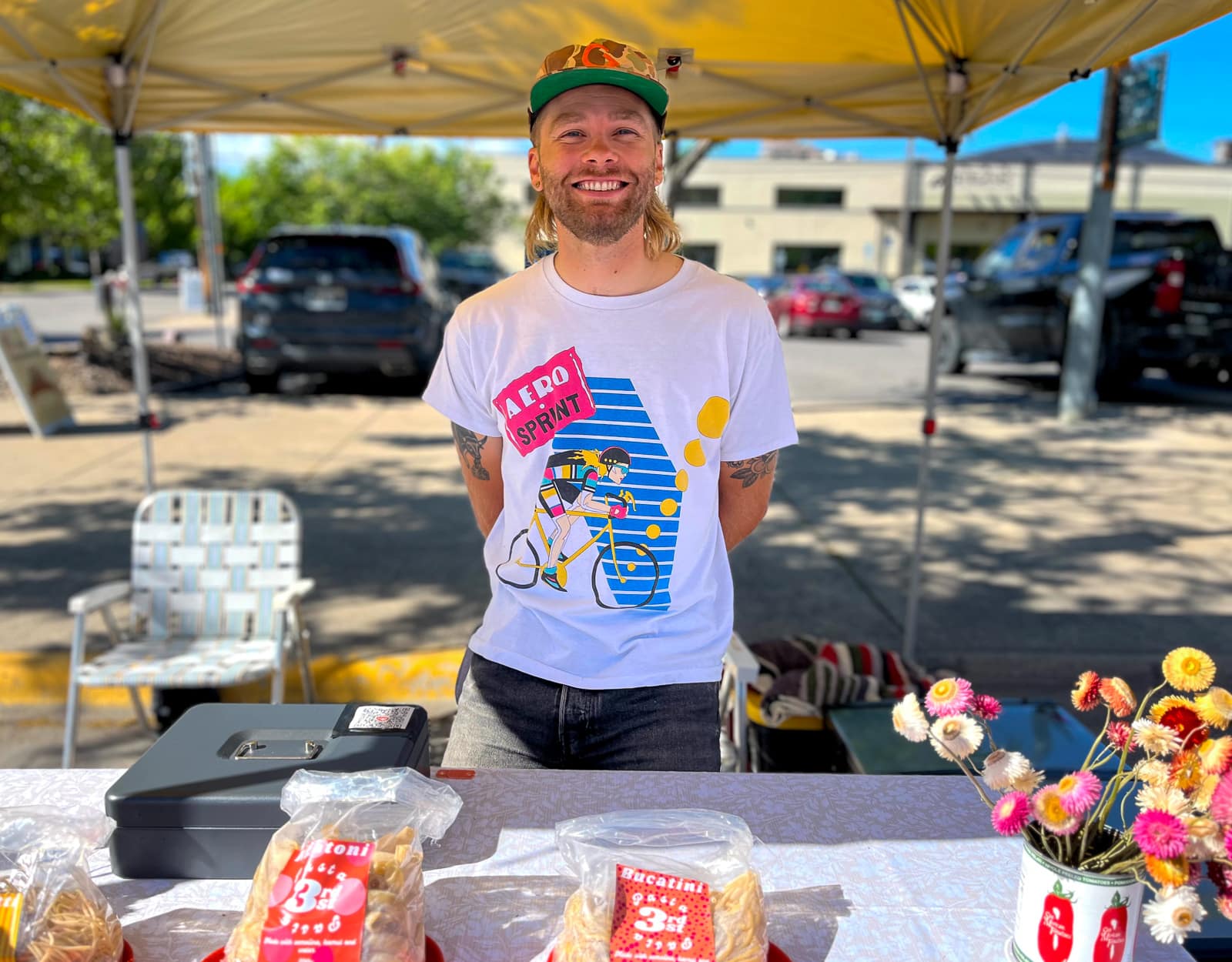
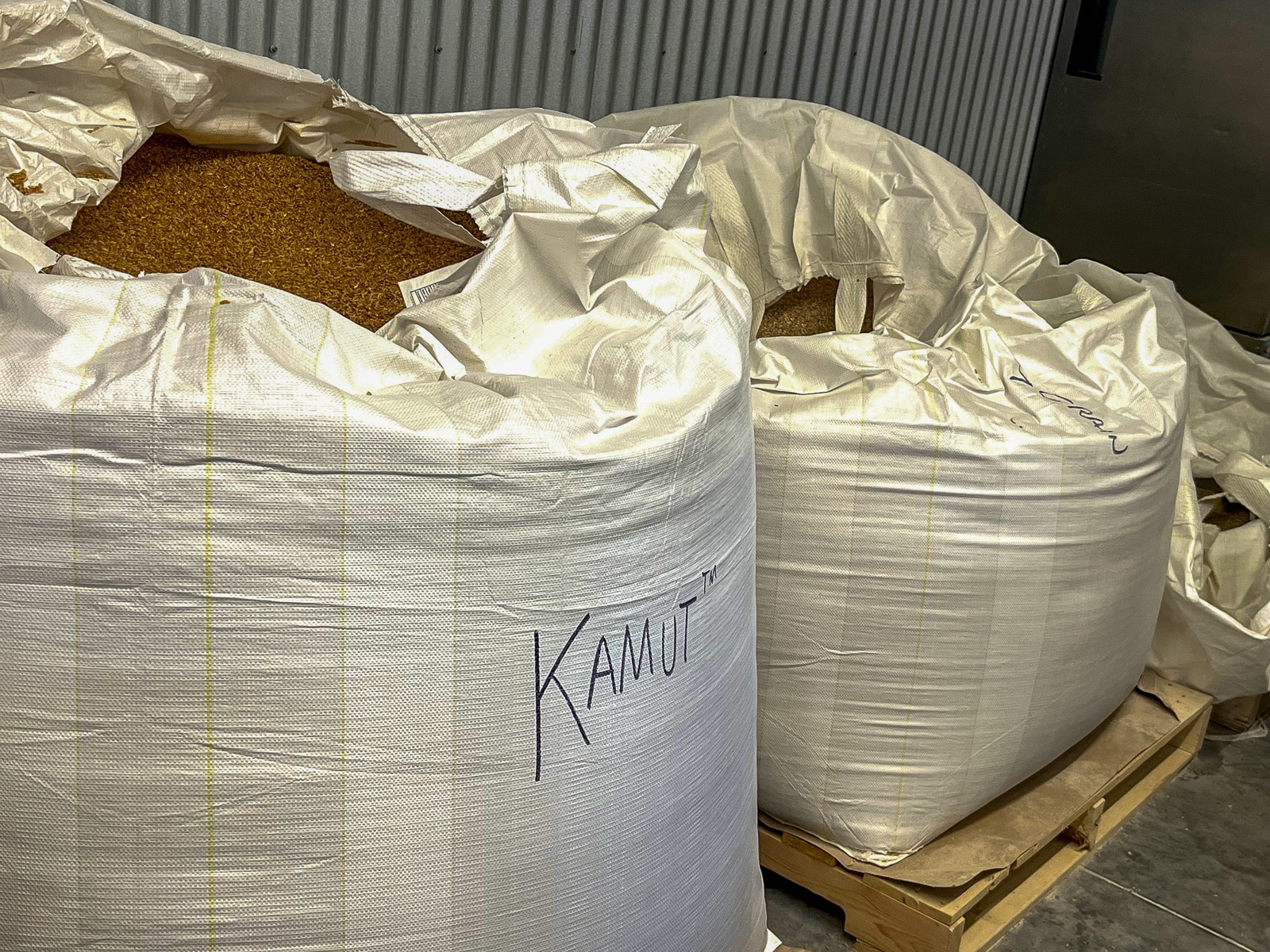
That’s certainly the case for Third Street Pasta, the brand-new venture from Missoula chef and baker Devon Lawler. Working out of Grist’s Grant Street bakery off South Third Street West, Lawler’s practice spans both the local and the international: His pastas are made from Montana-grown khorasan wheat (sold under the Kamut brand), and he uses a pasta machine made in Italy to turn out extruded shapes like bucatini, casarecce, and jumbo-sized fusilli.
“When people finally have fresh pasta, they realize this is an amazing thing to eat.”
Lawler has quickly found eager buyers: during his first two Saturdays at the Missoula Farmers Market at North Higgins this June, he sold out of 45 bags of pasta faster than Trump’s reflecting pool turned to goop. And Grist has been doing brisk sales of his colorfully bagged noodles as well. (Third Street Pasta also operates at the Tuesday evening market.)
At $10 per half-kilogram bag (about 1.1 pounds) — enough to feed about four people — Lawler is giving Missoula an accessible way to elevate one of our most basic food staples.
“The tooth on it is the most exceptional part about it,” Dan Venturella, the co-owner of Grist, told me. “When people finally have fresh pasta, they realize this is an amazing thing to eat.”
Lawler is no stranger to the Missoula food scene. While studying at the University of Montana, he got a job as a dishwasher at Scotty’s Table (in the space now inhabited by the bougiefied Sushi Hana reboot Hana) but soon worked his way up to line cook. “Scotty’s was a really formative time. Chef’s Table had just come out, and I was so impressionable, like a little sponge,” he told me.
Lawler, now 33, has been hustling in the industry ever since. After graduating in 2016, he did a stint at the beloved Goodkind, a cozy restaurant and corner tavern in his native Milwaukee known for its modern take on Old-World dining, before returning to Missoula and eventually becoming Grist’s first employee. At the time, the nascent outfit was just a few months old, working out of the back of Black Coffee Roasting Co. on Spruce Street.
“My earliest memory of Devon is how nice his hair is,” Venturella said with a laugh. “It was great to bring a guy like him on in the beginning. We were still working out the kinks. Devon has always been a guy who’s malleable to the situation that’s happening; he can observe the changes and adapt to the changes. You need that mentality.”
These days, Lawler continues to bake part-time at Grist, and also works as a traveling chef for The Cycling House, preparing meals for cycling groups in locales including Tucson, Arizona, and Mallorca, Spain.
He stumbled upon the idea for a pasta company, more or less by accident, this January. While reading a book about extruded pasta, his wheels started spinning. He ran some rough numbers and quickly pitched Grist on the collaboration.
“The cool thing about pasta is that Montana grows so much nice grain, and that’s Grist’s specialty — they have the stone mill,” Lawler told me. “It just felt like a natural extension of [what they were already doing].”
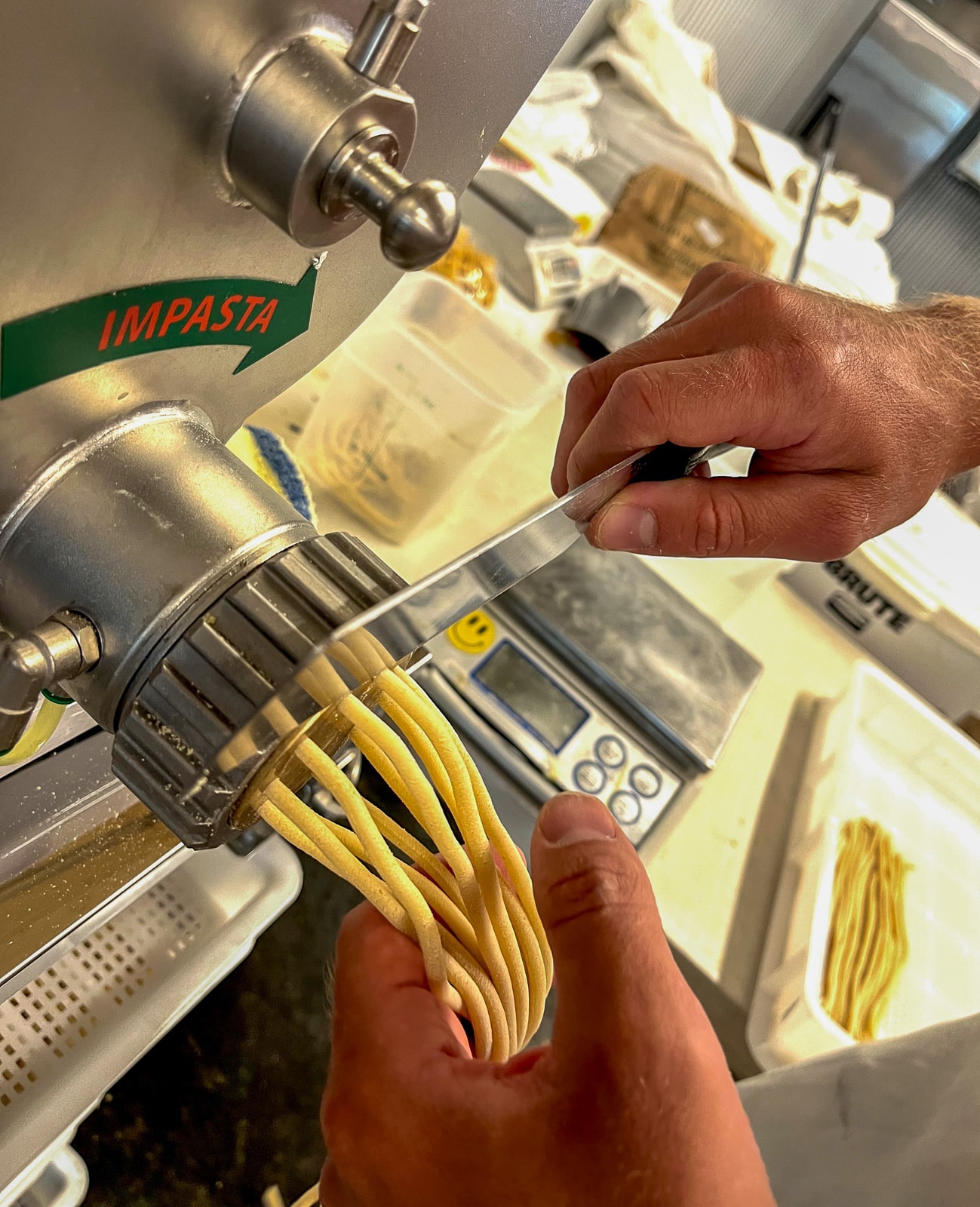
He schemed through the winter and ordered a Fimar Lilly pasta machine from Italy. Then, shortly after returning from a Cycling House trip to Mallorca this spring, he began prepping for the market season.
On a blazing hot June afternoon, Lawler and I met up at Grist. The air in the back of the bakery was suffused with enough dough and sugar to induce a state of euphoric paralysis, and blues songs played overhead. As he measured out bucatini with the precise rhythm of a metronome, Lawler told me that his pasta is quite simple: the only ingredients are water and flour (although the fusilli dough occasionally includes some saffron). As for the flour, it’s equal parts semolina and Kamut brand khorasan wheat, an ancient grain grown in Big Sandy that boasts a lovely golden hue. (Beyond the pasta, Grist uses Kamut in both their baguettes and coffee cake.)
After weighing out the bucatini, Lawler got to work on making a new batch. If he’s a pasta Jedi, then the Fimar Lilly machine is unquestionably his R2-D2. To make the various shapes, Lawler attaches different bronze dies to the front of the machine. He then cuts the noodles as they emerge, at a controlled, even tempo. Lawler explained that the die “roughs up” the pasta a bit and gives it a more granular texture.
“That helps it adhere to the sauce,” he explained. “Versus Teflon-died pasta, which is really smooth and almost shiny. The sauce almost slips off.”
It also allows him to keep prices low. “It helps me make pasta faster. It makes me feel like I have something to sell to people that doesn’t feel like this intense luxury item,” he explained.
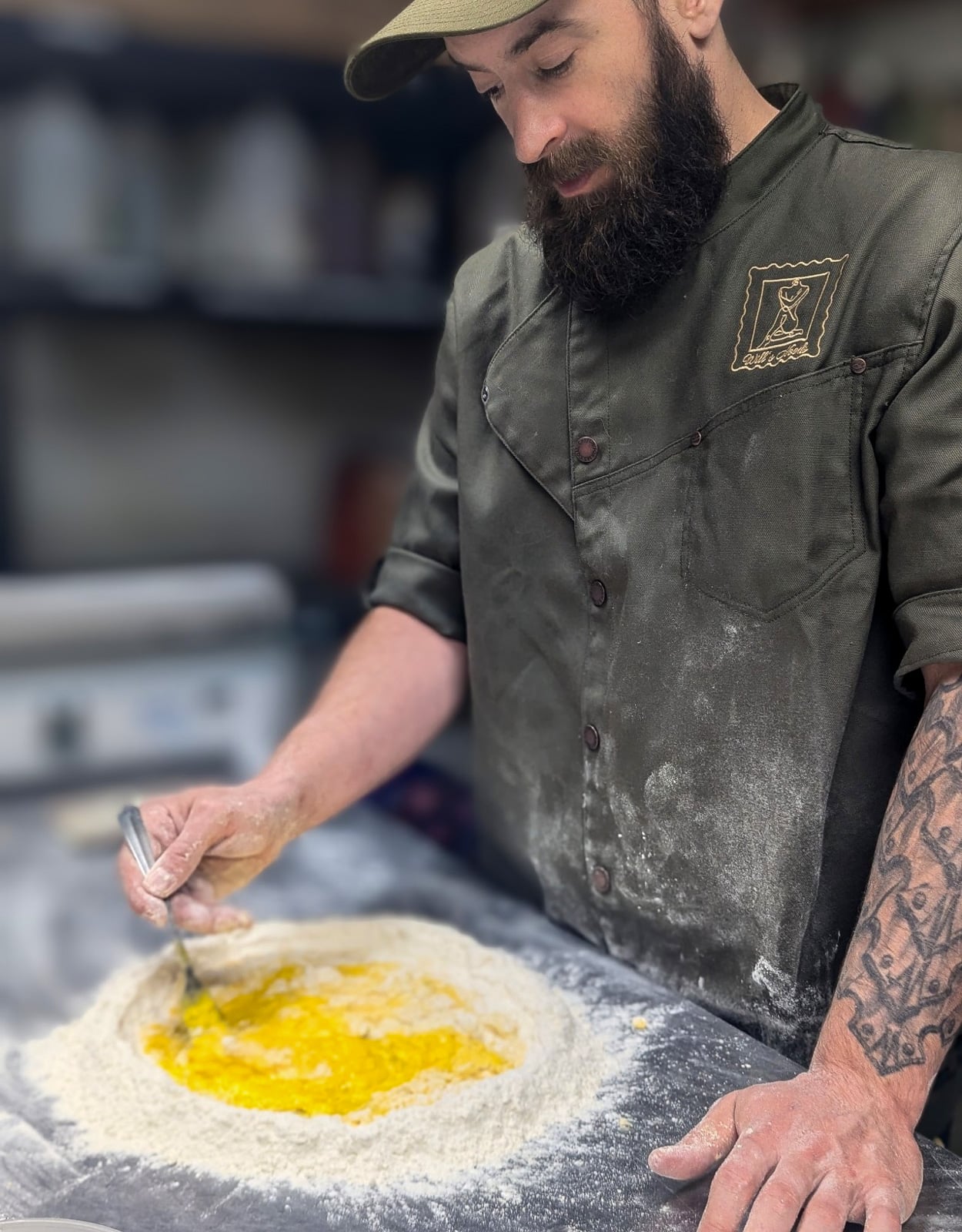
The machine also marks a major distinction between Third Street Pasta and Will’s Noods, Missoula’s other guerrilla fresh pasta impresario. The duo of Will Miner and his fiance Bailey Andres, Will’s Noods began selling pasta last year at the North Higgins market and now posts up at the Clark Fork River Market (they offer pasta-making classes as well).
Miner told me that eschewing a machine gives him more insights into moisture content and other variables in the dough. “I’m able to get a little more control when I’m making the pasta by hand,” he explained. Like Lawler, he champions Montana ingredients: Many of the herbs in his pastas — which are sold fresh frozen — come from other vendors at the market. (By point of comparison, Will’s Noods sells for $10 per 8-ounce bag, roughly twice as much as Third Street.)
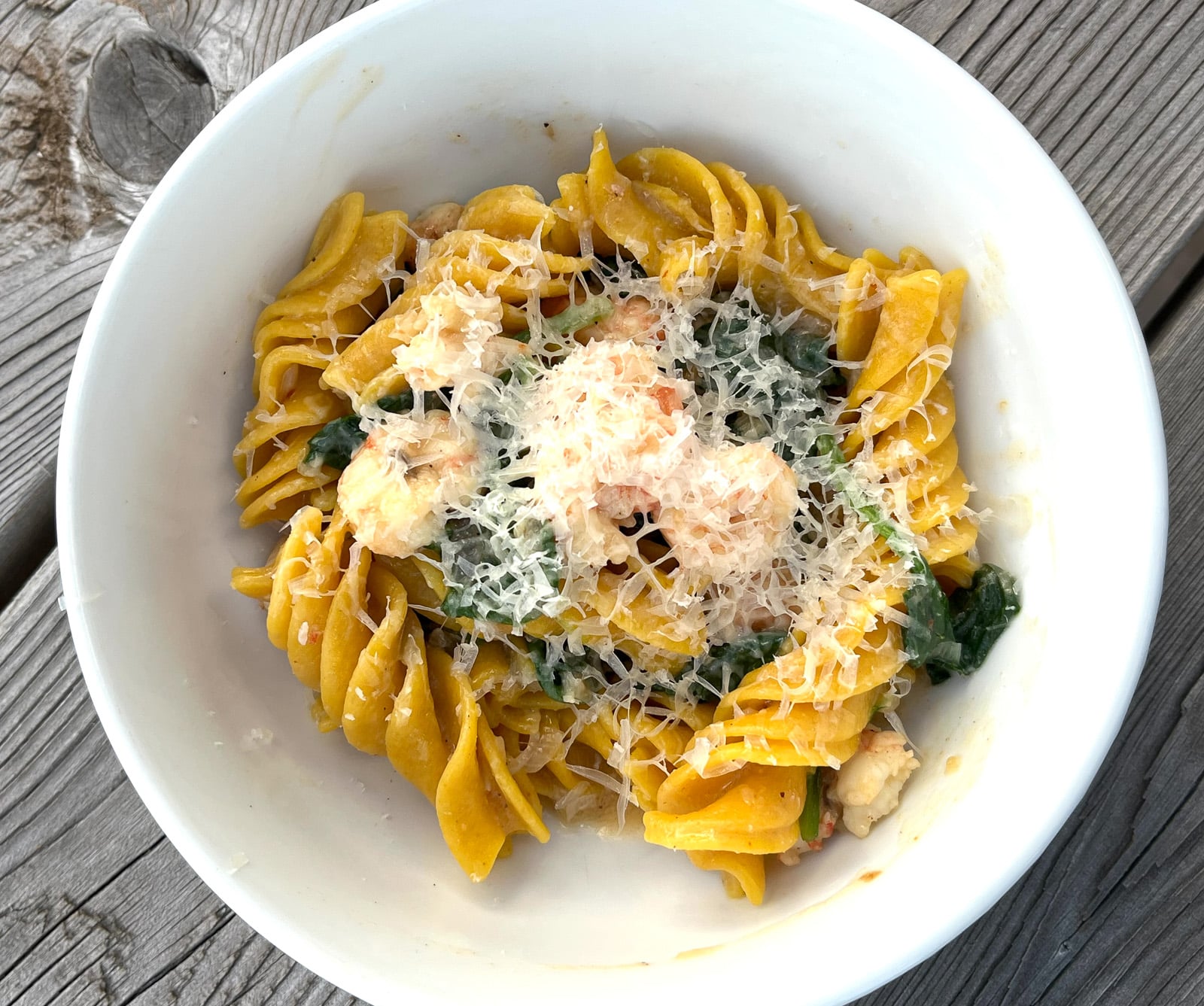
Of course, any pasta is only as good as the person cooking it. Fortunately for me, in the case of Third Street, that simply means boiling the noodles for 3 to 4 minutes. Per Lawler’s advice, my wife and I paired the jumbo fusilli with a shrimp scampi. He was right: The noodles’ texture did sop up quite a bit of the oily, garlicky sauce. The same held true for the bucatini, which we ate with Alison Roman’s shallot sauce and scallops.
In the coming weeks, Lawler will be adding more shapes and flavors to his repertoire, including squid ink and organic tomato and spinach powders incorporated into the dough. Get ‘em while you can — if the past few weeks are any indicator, Missoulians are hungry for more.