Artificial intelligence has become the defining story of 2026. It shows up in everything from mundane AI-generated Instagram reels of cats working at McDonald’s to alarming cyberattacks by rogue AI agents. Many tech leaders who entered the year voicing excitement over the technology’s promise have now switched to a more cautious tune, urging a slowdown that could actually help them further consolidate power. Meanwhile, the rest of us are left to contend with growing existential dread about a future that feels completely out of our hands.
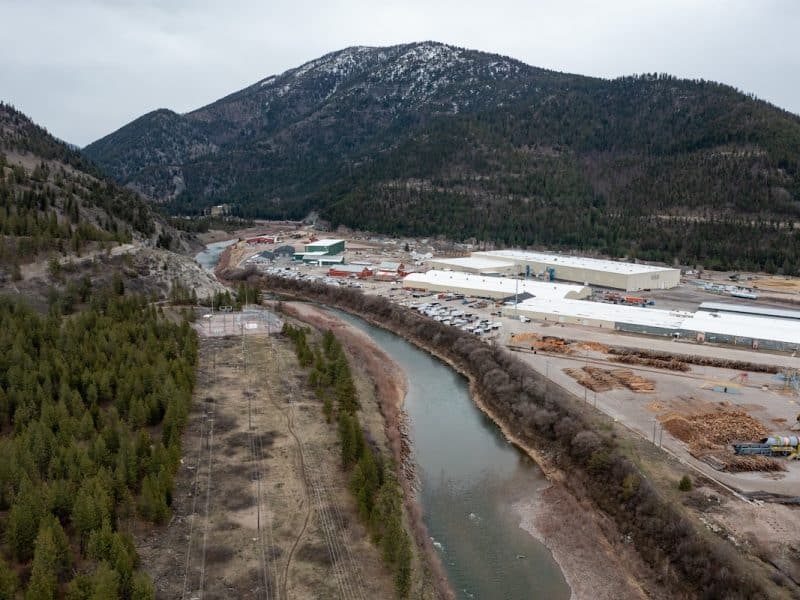
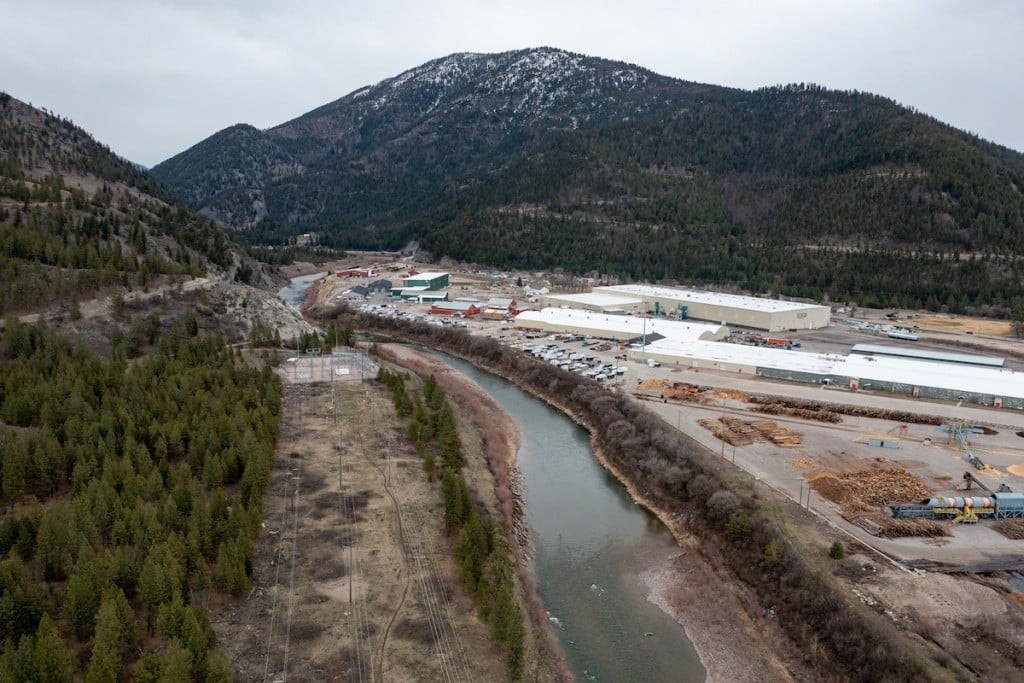
Well, maybe not completely. Missoula County did push back this year, adopting a one-year moratorium on AI data center development to give commissioners time to vet potential long-term regulatory strategies. The emergency zoning measure effectively stopped a proposed data center at the old Bonner Mill in its tracks and launched an in-depth government study into how the community could better protect its interests in the age of AI.
Those recommendations finally dropped late last week, and the range of options Missoula County staff explored is wide, from an all-out ban on data centers to specific contracts called Community Benefits Agreements. The study landed on a mix of zoning changes and intergovernmental collaboration as the most promising — and least legally fraught — option for county leaders to consider. As co-author Svein Newman, the county’s climate action program manager, told commissioners on the latest episode of their podcast “The Agenda,” where Missoula County goes from here is entirely up to them.
“The study is not regulation, the study is not the path.”
“The study is not regulation, the study is not the path,” Newman said. “The study is a characterization of the problem, from which you all would determine the big-picture route to take.”
Newman reiterated that message to roughly 50 citizens who gathered Tuesday evening at the Missoula County Fairgrounds to weigh in on the study, noting that an actual regulatory framework will start to take shape in more formal meetings in the coming months. But the public discussion he and county planner Patrick Swart led this week did help highlight the stakes of expanding AI infrastructure, even as it emphasized the limits on how locals can push back.
The impacts are probably all too familiar by now to those who follow national headlines. Data centers today consume an average of 40 megawatts of electricity, roughly equivalent to the combined daily residential power use of the City of Missoula. All that energy generates considerable heat, which is most often controlled through a water-reliant process called evaporative open-loop cooling. Because the facilities depend on uninterrupted power, they require extensive backup capacity as well, typically in the form of on-site diesel generators.
Newman and Swart tied these operational realities of data centers to a host of concerns that have emerged here and across the country. High electricity and water consumption top the list, especially given the staggering amount of water lost to the evaporative cooling process. Alternatives to that process don’t appear much better, Newman said, as less water-reliant approaches tend to demand vastly more electricity in exchange. The use of diesel or natural gas for backup power also seemed like a step backward for a community that has tried to take a more climate-smart approach through long-term emissions reduction and clean energy programs.
Surprisingly, Newman said, noise has become the top complaint in areas where data centers have gained a toehold, with residents reporting the kind of persistent, low hum that defies most municipal noise ordinances.
Confronted with all this information, the audience’s response Tuesday was logical: What the hell can we do? During a roughly 90-minute question-and-answer session, attendees floated a range of ideas including setting caps on data center size and resource usage, enacting a complete ban on evaporative cooling, and working with industry to pioneer a more eco-friendly data center. Some questioned the feasibility of requiring new facilities to use 100 percent renewable energy, while several representatives from the grassroots Montanans Against Data Centers Action Team cautioned that the current design of such facilities may well be obsolete in five years, burdening Missoula with outdated infrastructure.
Through it all, county staff continued to return to zoning as the least limiting avenue for exercising some measure of control over development (along with ongoing involvement with state lawmakers and the utility-regulating Public Service Commission). Swart and Newman reminded attendees that, unlike the City of Missoula, Missoula County has only the legal powers explicitly granted to it by the state Legislature — the same Legislature that just last year passed a law protecting access to computational resources. In other words, Montana law now sees physical infrastructure like data centers as part of the broader fabric of private digital rights.
While lawmakers have submitted more than a dozen data center-related bill requests ahead of the 2027 session, the current legal landscape makes a permanent countywide ban on data centers extremely risky. But Newman noted that the Montana Right to Compute Act, as it’s known, does grant exceptions for local governments on certain “common-law nuisances” such as noise. And operating within the bounds of Missoula County’s 2016 Growth Policy could open a path to other targeted restrictions that align with official goals around carbon neutrality and industrial site revitalization.
It became abundantly clear Tuesday night that, for some, the debate over data centers in Missoula County is almost a proxy for the global conundrum of AI itself. All camps were represented in the room, from those who want some say in what an AI future looks like to those who want to pull the plug completely. The past year has left so many people feeling powerless against the whims of private industry, and there was a sense in the room that even with Missoula County now pivoting into regulatory review mode, government moves too slowly by comparison to save us. At this, Missoula County Commissioner Josh Slotnick rose and acknowledged the democratic process takes time. But, he added, he’s not much enamored of the alternative either.
“Only an autocracy could work fast,” Slotnick said.
With the study now in hand, Missoula County’s data center debate moves next Wednesday at 6 p.m. to the Consolidated Land Use Board, and from there to the full commission at 2 p.m. Nov. 12. Those meetings will begin to illuminate how Slotnick and fellow commissioners Juanita Vero and Dave Strohmaier might put the study’s results into action.