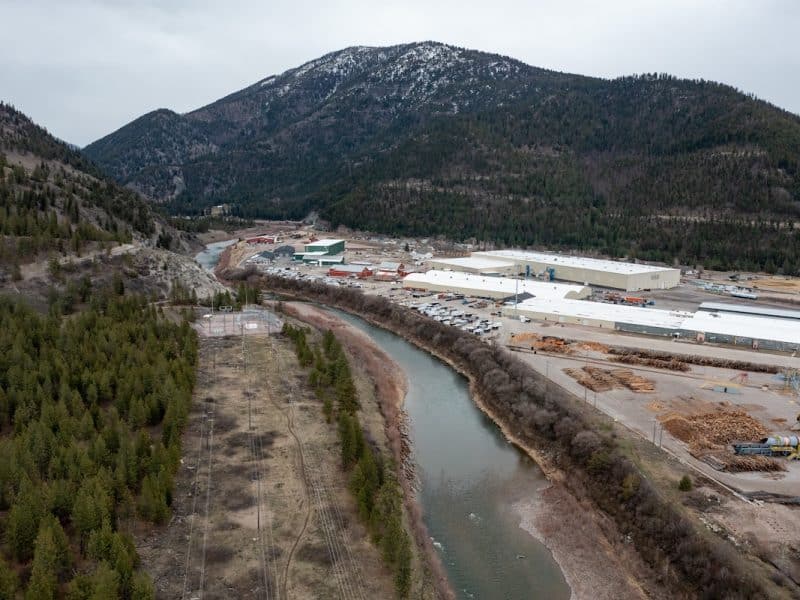
Western Montana tends to wear its mining history on its sleeve. The corduroy stripes of mining pits around Butte, the towering smelter stack above Anaconda, the fleeting glimpse of a wood-framed shaft along the curves of Highway 1. Like a kid displaying their first lost tooth, these sights stir up a mix of nostalgia and pride — evidence that we’ve perhaps moved on from a more reckless past into a more responsible future.
So when we get the sense some outsider is pushing a half-baked idea that could usher in a new round of resource damage, we push back. One prime example is the fight a decade or so ago against the so-called “Heavy Haul,” ConocoPhillips’ unsuccessful effort to turn Montana’s mountain passes and river corridors into a throughway for massive fracking equipment bound for Alberta’s tar sands. Another is the current grassroots opposition to AI data centers around the state.
Of course, what the battle looks like is often shaped by who’s pushing what. Federal proposals to delist certain species, log certain swaths of forest or expand certain wilderness boundaries have in the past pitted Montanans against one another. But in the case of the proposed Sheep Creek mine up the West Fork of the Bitterroot River, the call for caution has become increasingly unanimous.
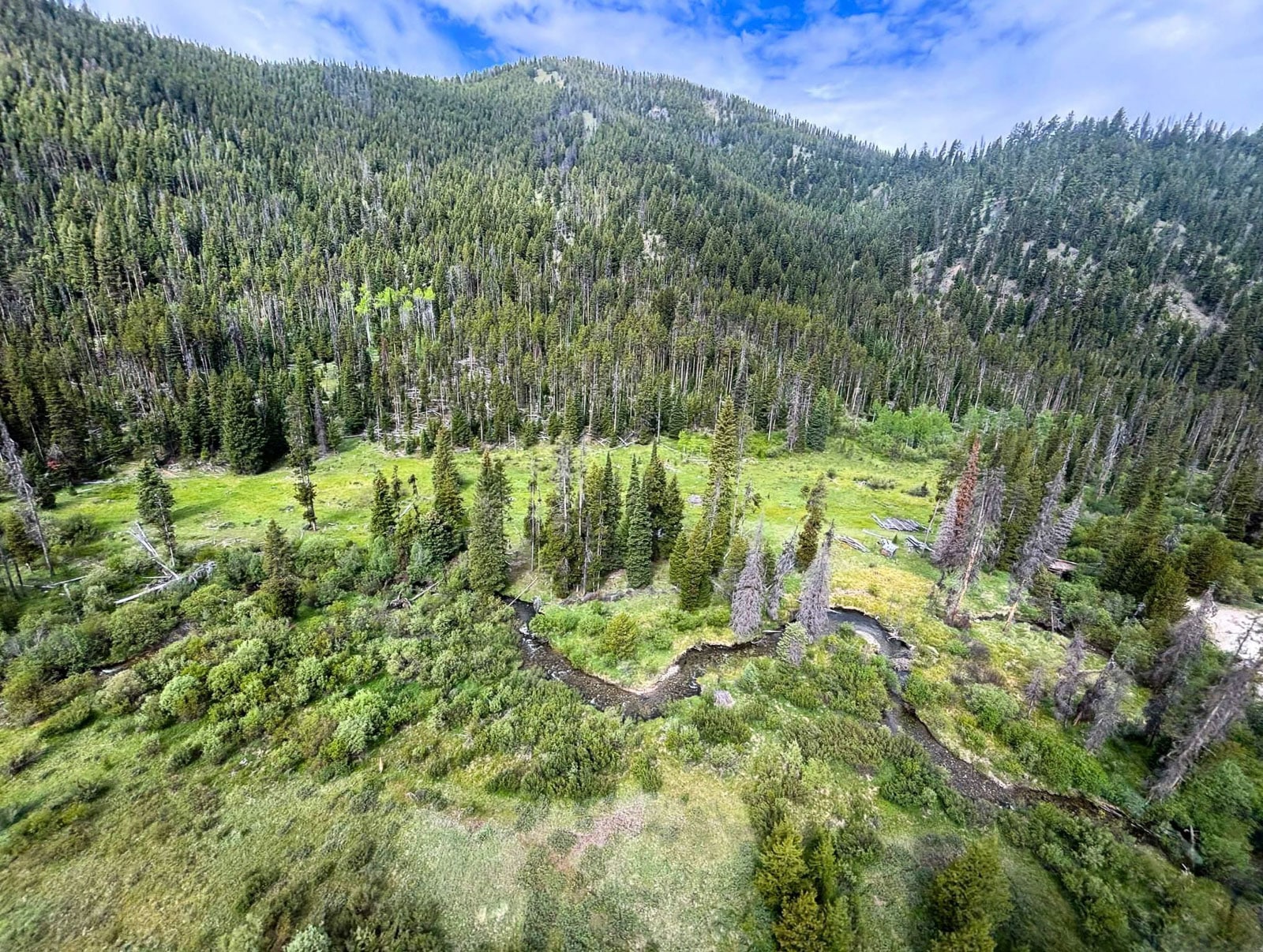
A bit of background: In 2023, the mining company US Critical Materials (headquartered in Utah) announced it had uncovered traces of rare earth minerals on the Bitterroot National Forest south of Darby. The discovery eventually caught the attention of conservation groups as USCM began filing paperwork with the U.S. Forest Service for a more intensive exploration, and by the time the proposal landed on a federal list of expedited infrastructure projects last year, citizens throughout Ravalli County were on high alert. Few if any locals, it seems, are eager to see a mining corporation drilling near the headwaters of a river that feeds tourism, agriculture and cultural identity.
The latest round of updates from the Forest Service this summer helped underscore why the concern has become so universal. In addition to twice-daily helicopter flights from Conner to the project site, USCM intends to run routine “internal hops” over the forest to transport fuel, equipment and water. On-the-ground activities would include controlled blasting to collect rock, drilling of an estimated 45 holes roughly 400 feet deep and extraction of roughly 3,000 tons of mineral samples flown out by helicopter in what the Forest Service calls “super sacks.” There are plenty of logistical details, too, such as vegetation removal and construction of a temporary helipad.
“While we recognize the need for domestic critical mineral supply chains, we believe there are more responsible paths forward.”
USCM argues this is all in the name of weaning America off its dependence on Chinese rare earth minerals, of discovering a new domestic bonanza of gallium, scandium, neodymium and other elemental necessities of our techno-juiced lifestyle. And the federal government has latched onto the pitch, citing the project’s alignment with a 2025 Trump directive to fast-track mining activity on federal lands as justification for adding Sheep Creek to the FAST-41 list. That list, established in 2015, was meant to help expedite the federal review process on proposals deemed critical to public infrastructure.
I’ve covered tussles over public lands management in the Bitterroot in the past, from timber harvests to wolf hunts, and it’s not often I’ve heard officials there arguing for more regulatory review rather than less. But that’s precisely where Ravalli County Commissioner Greg Chilcott landed this month when he called for a full environmental impact statement for the Sheep Creek project during a meeting with independent U.S. Senate candidate Seth Bodnar. As much as Chilcott and other conservatives in the valley rail against the perceived “weaponization” of the National Environmental Policy Act and other banner conservation laws, this time they’re on the same side as the old-growth warriors and the water keepers.
USCM’s lackluster outreach to locals certainly hasn’t helped matters. On the contrary, county commissioners accused the company of keeping Bitterrooters in the dark last December, and voted unanimously to both petition for Sheep Creek’s removal from the FAST-41 list and oppose the project outright.
“While we recognize the need for domestic critical mineral supply chains, we believe there are more responsible paths forward,” the commissioners wrote. “Montana already contains extensive mine waste sites and legacy smelter materials that could be reclaimed and processed to meet strategic needs without placing sensitive headwater ecosystems at risk.”
The Bitterroot National Forest is continuing to collect public comment on USCM’s proposed Sheep Creek project through Sunday, Sept. 13.